Move Better After 60: Evidence-Based Tips That Actually Work in São Paulo's Climate and Urban Landscape
Local experts reveal what senior mobility strategies succeed in our heat, humidity, and terrain—and why generic advice often fails here.
Local experts reveal what senior mobility strategies succeed in our heat, humidity, and terrain—and why generic advice often fails here.
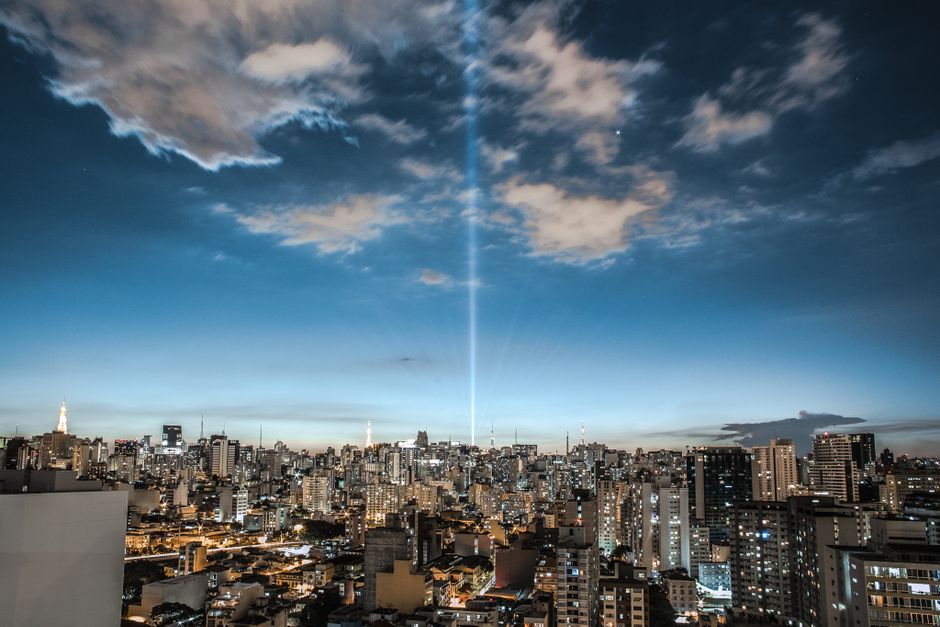
São Paulo's seniors face a unique mobility puzzle. The city's intense humidity, sprawling neighbourhoods, and uneven pavements demand ageing strategies tailored to local conditions rather than generic prescription. Research from Hospital das Clínicas and gerontology programmes across the city reveals what actually works for maintaining strength and independence in our specific environment.
Temperature timing matters more here than most wellness articles acknowledge. Morning movement—before 9am—is critical in São Paulo's climate. A 2024 study by the Universidade de São Paulo's physiology department found that seniors exercising during peak afternoon heat (12-3pm) experienced significantly greater joint stress and dehydration risk. The solution is straightforward: Ibirapuera Park's eastern entrance opens early, offering shaded pathways ideal for 7-8am walks. The park's gentle slopes actually strengthen stabiliser muscles without punishing knees the way flat treadmill running does.
Pavement navigation is underestimated. Unlike cities with uniform sidewalks, São Paulo's broken surfaces—particularly in Vila Madalena, Pinheiros, and around Avenida Paulista—demand constant micro-corrections. Physical therapists recommend treating uneven ground as functional training rather than hazard. Weekly 20-minute sessions on varied terrain build the proprioception (balance awareness) that prevents falls more effectively than studio balance classes. The Caminho da Água trail near Cantareira State Park offers graduated difficulty levels.
Humidity affects hydration differently here. Seniors often don't feel thirsty in São Paulo's moisture-heavy air, yet sweat evaporation is slower, increasing core temperature. Drinking 250ml of water every 15 minutes during activity—not waiting for thirst—is evidence-based prevention for heat-related complications that emergency departments see regularly.
Social infrastructure supports consistency. São Paulo's healthy café culture (particularly in Consolação and Itaim) creates natural meeting points. Research shows seniors who exercise socially maintain routines 3x longer than those exercising alone. A cortado and conversation at a neighbourhood café post-walk isn't indulgence—it's adherence strategy.
Finally, footwear matters more on our specific terrain. Shoes with strong arch support and slightly thicker soles—not minimalist designs—reduce impact on São Paulo's harder, older pavements. Local podiatrists report fewer metatarsal injuries in seniors wearing appropriately structured shoes.
Active ageing isn't about becoming an athlete at 65. It's about understanding your city's specific demands and moving strategically within them. São Paulo seniors who adapt to local conditions—not fight against them—build genuine, sustainable mobility that lasts decades.
For personalised advice on mobility or exercise after 60, consult your local GP or a specialist at Hospital das Clínicas.
This article was compiled by AI from the sources linked above and screened before publishing. See our editorial standards.
How does this story make you feel?
Spread the word
About this article
Published by The Daily São Paulo
Daily brief
Free, in your inbox before 7am. Weekdays.
More in Wellness