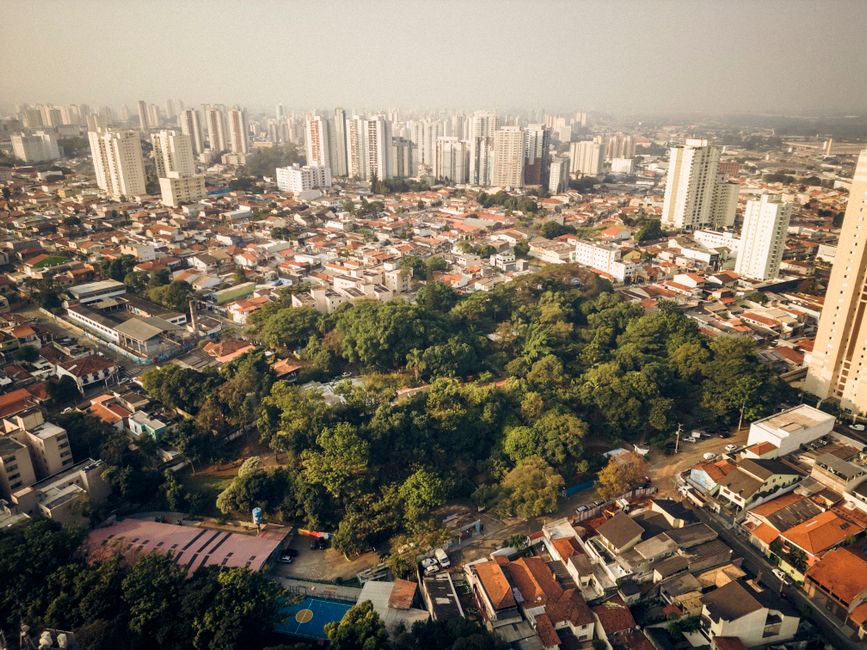
The Rise of Outdoor Boot Camps: What to Expect
São Paulo's fitness revolution is moving beyond the gym, with structured high-intensity training taking over parks from Ibirapuera to Vila Mariana.
São Paulo's fitness revolution is moving beyond the gym, with structured high-intensity training taking over parks from Ibirapuera to Vila Mariana.
Walk through Ibirapuera Park on any weekday morning, and you'll notice a shift in the fitness landscape. Where casual joggers once dominated the pathways, organised groups now gather in circuits—kettlebells in hand, trainers calling out intervals, participants pushing through burpees and box jumps. Outdoor boot camps have become the city's most visible fitness trend, drawing everyone from corporate professionals to retirees seeking structured, community-driven exercise.
This movement reflects a broader pattern across São Paulo's wellness culture. According to fitness industry surveys conducted in the metropolitan area over the past two years, group outdoor training classes have grown by approximately 35 percent, outpacing traditional gym memberships in certain demographics. The appeal is straightforward: affordability, social connection, and the psychological benefit of exercising in open air.
What exactly should you expect if you join one of these boot camps? Most sessions run 45 to 60 minutes, combining cardiovascular work with strength training. Classes typically cost between R$50 and R$120 per session, or roughly R$300 to R$450 for monthly passes—significantly cheaper than gym memberships. Popular neighbourhoods hosting regular sessions include Vila Mariana, Pinheiros, and along Avenida Paulista's green spaces, though Ibirapuera remains the epicentre.
Intensity varies considerably. Some programs cater to beginners with modified movements and longer rest periods, while others mirror CrossFit-style training with minimal breaks. Most reputable instructors assess fitness levels during initial consultations and offer scalable alternatives, ensuring participants can work at their own pace.
The social dimension cannot be overstated. Unlike solitary gym sessions, boot camps create accountability through group dynamics and recurring communities. Friendships form, workout partners emerge, and the shared struggle of outdoor training—particularly during São Paulo's humid summers—builds genuine camaraderie.
Before joining, check credentials. Instructors should hold current certifications in fitness training and, ideally, first aid qualification. Ask about class structure, average group size, and whether sessions are weather-dependent. Many camps operate year-round, though some pause during heavy rain.
São Paulo's healthcare ecosystem, including resources at Hospital das Clínicas, can provide pre-exercise screening if you have existing health concerns. This is especially relevant for those new to high-intensity training.
The outdoor boot camp phenomenon reflects what many Paulistas already understand: fitness doesn't require isolation in climate-controlled rooms. In a city constantly moving, group training in shared spaces offers structure, affordability, and the irreplaceable energy of moving together.
This article was compiled by AI from the sources linked above and screened before publishing. See our editorial standards.
How does this story make you feel?
Spread the word
About this article
Published by The Daily São Paulo
Daily brief
Free, in your inbox before 7am. Weekdays.
More in Wellness