Walk through Rua Augusta on any afternoon and you'll see the shift happening in real time. A street vendor outside the Conjunto Nacional shopping complex now accepts payments through a smartphone app rather than cash. A teenager in Paraisópolis accesses credit for the first time through a digital banking platform. A rideshare driver in Zona Leste receives instant payments instead of waiting days for cash advances.
São Paulo's fintech revolution, accelerated dramatically since 2024, is fundamentally changing how ordinary residents—from wealthy Jardim Paulista families to workers in peripheral neighbourhoods—manage their money. The impact extends far beyond convenience; it's reshaping economic opportunity itself.
The numbers tell the story. Digital payment adoption in São Paulo grew from roughly 45% of adults in 2023 to an estimated 68% by mid-2026, according to market analysts tracking the Zona Leste and Centro districts. Traditional banks still dominate, but neobanks and fintech platforms now serve approximately 12 million São Paulo metropolitan area residents, offering zero-fee accounts and instant transfers that traditional institutions once reserved for premium customers.
For informal workers—street vendors, domestic workers, gig economy participants—the transformation proves particularly significant. A person earning income across multiple sources can now aggregate earnings through a single digital wallet, building a legitimate financial history previously unavailable to them. This unlocks access to microloans and credit products that traditional banks considered too risky.
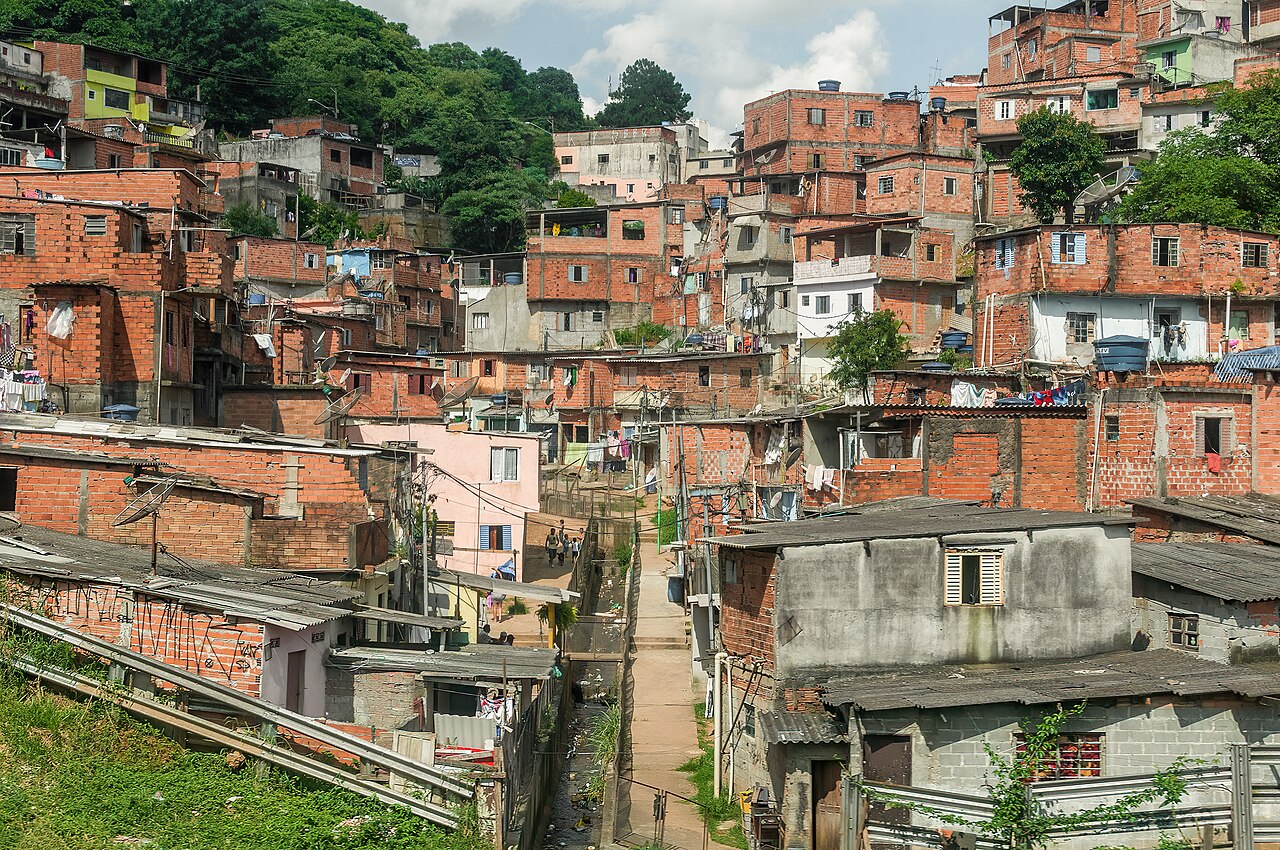
The accessibility angle matters deeply in a city where 30% of residents live in informal housing. Digital banking removes geographical barriers; a resident in Capão Redondo no longer needs to travel to Centro to access financial services. Mobile-first platforms designed for Brazilian users accommodate lower smartphone capabilities and intermittent internet access common in peripheral areas.
Yet challenges persist. Digital literacy gaps remain, particularly among older populations in neighbourhoods like Tatuapé. Data security concerns haunt users burned by fraud schemes that target Brazilian consumers specifically. And while fintech democratizes some services, it simultaneously concentrates market power among a handful of platforms.
Still, the lived experience for most São Paulo residents reflects genuine improvement. A small business owner in Vila Madalena completes payroll in minutes rather than hours. A student in Butantã builds credit through responsible app-based spending. A mother in Itaquera sends remittances to family in Bahia instantly, avoiding predatory transfer fees.
This isn't financial inclusion as an abstract concept—it's concrete, daily convenience reshaping how millions of people experience money in Latin America's largest metropolitan area.
This article was compiled by AI and screened before publishing. See our editorial standards.