Walk into any coffee shop along Rua Augusta in Consolação, and you'll notice a quiet revolution unfolding over espressos and laptops. The barista reminds customers to use the café's VPN before logging in. At the nearby Biblioteca Parque da Juventude in Tatuapé, security workshops for teenagers now run weekly. These scenes have become routine across São Paulo in 2026, reflecting a fundamental shift in how the city's 12 million residents approach their digital lives.
The catalyst is stark: cybercrime losses in São Paulo reached an estimated R$4.2 billion last year, according to local tech security firms. Identity theft cases jumped 34% since 2024, with fraud targeting banking apps particularly vicious. When a coordinated phishing campaign compromised over 50,000 residents' financial data in early 2025, it triggered something close to digital panic—and prompted action.
"We're seeing behavioural change at scale," says the tech community at institutions like SENAI São Paulo and local startups clustered in Vila Madalena's innovation districts. Password managers, once niche tools, are now mainstream. Major banks operating in the Paraíso financial district have made two-factor authentication mandatory. Pharmacies in Mooca and residential neighbourhoods across the zona leste now require customers to verify transactions via app notifications rather than signing receipts.
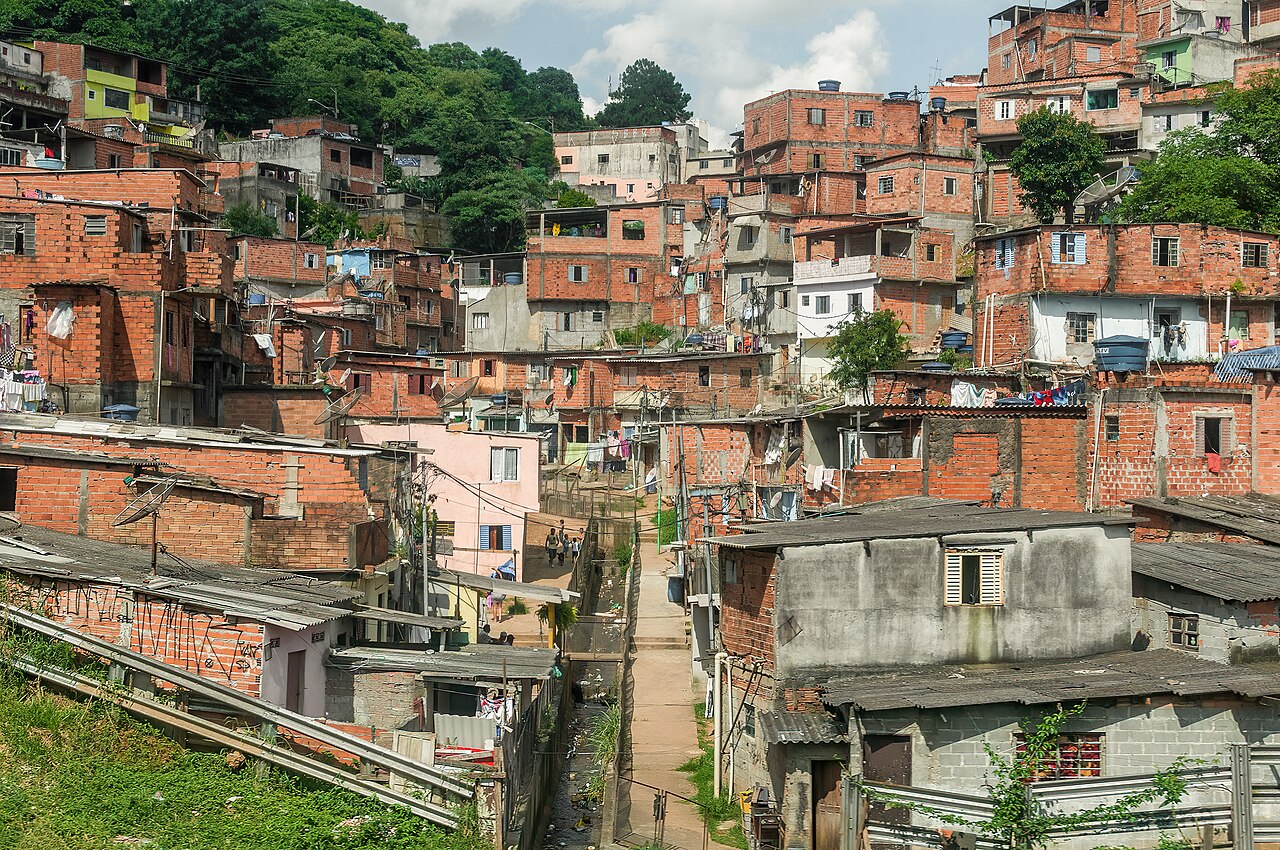
The shift extends beyond transactions. Parents in Higienópolis schools increasingly monitor their children's digital footprints. Community groups in Sapopemba and Itaquera run awareness sessions about data harvesting on social media. Local NGOs have begun offering free cybersecurity literacy programmes, recognising that vulnerability isn't equally distributed—poorer neighbourhoods often lack access to protective tools.
Yet transformation remains uneven. While affluent residents in Brooklin and Morumbi embrace encrypted messaging and sophisticated password protocols, digital divides persist. A June survey by local tech researchers found that only 41% of residents across all income brackets use encrypted email regularly, and awareness of data privacy rights varies drastically by neighbourhood.
The City Hall's recent cybersecurity initiative aims to change that, offering subsidised security software to low-income households and mandatory digital safety training in municipal schools. Metro stations now display privacy tips alongside advertisements.
São Paulo's residents are learning that their digital safety is no longer passive—it demands active participation. From Av. Paulista to the periphery, the daily calculus of online life has fundamentally changed. The question is no longer whether security matters, but whether the city can ensure everyone has access to the tools that make it real.
This article was compiled by AI and screened before publishing. See our editorial standards.