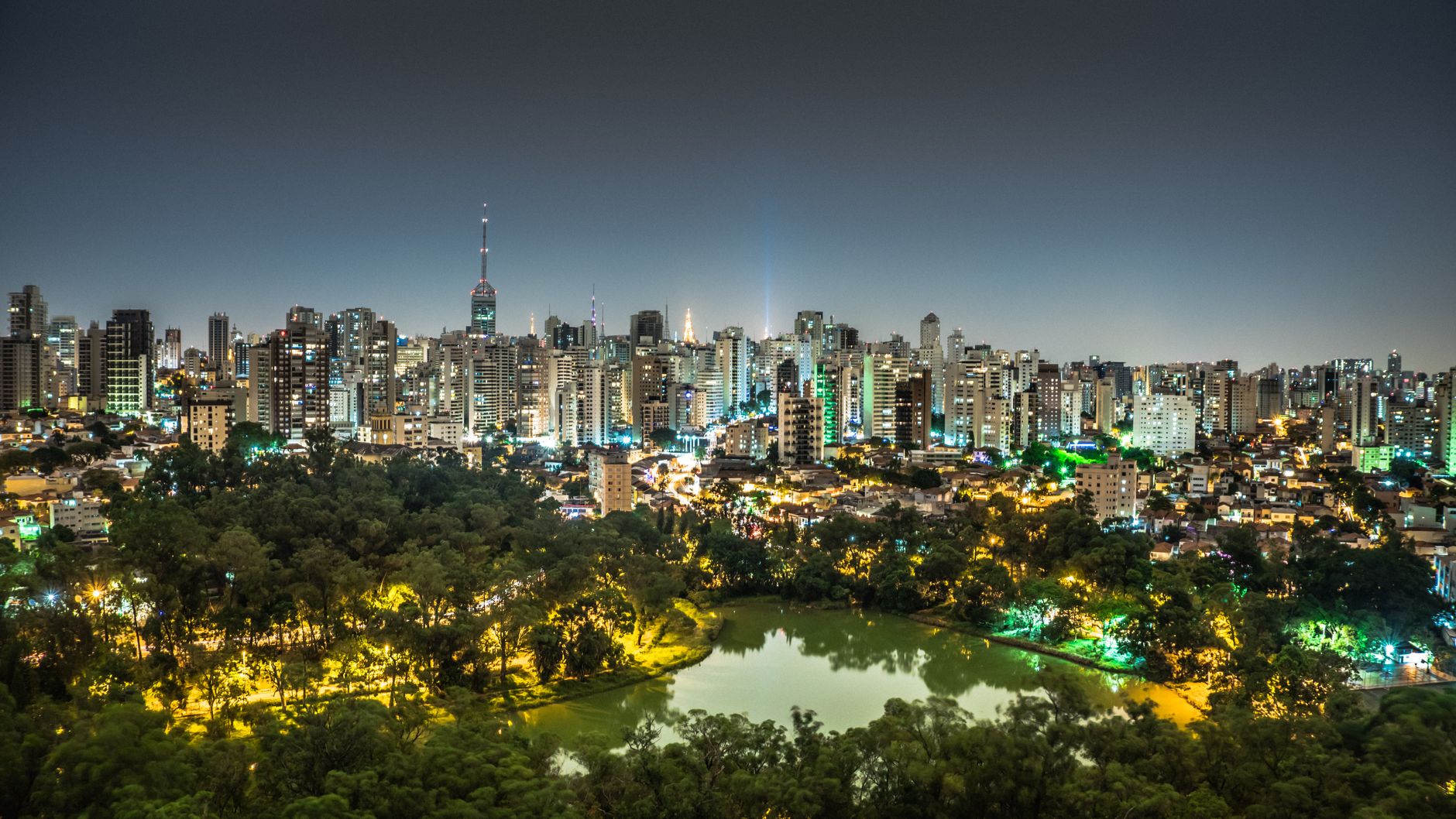
On a Tuesday evening in Pinheiros, Carolina Silva unlocks her apartment door using facial recognition, then immediately activates a VPN before checking her banking app. This ritual has become as automatic as turning on the lights. For millions of São Paulo residents, digital safety tools that barely existed five years ago have become essential infrastructure—transforming how people work, shop, and move through the city.
The shift accelerated after a spate of account takeovers in 2024 that targeted freelancers and small business owners across the Consolação and Vila Mariana neighborhoods. Banks and fintechs responded by rolling out biometric authentication widely, and adoption exploded. Today, roughly 64% of smartphone users in the São Paulo metropolitan area use some form of biometric unlock—up from 31% in 2021, according to data from the Brazilian Digital Safety Institute.
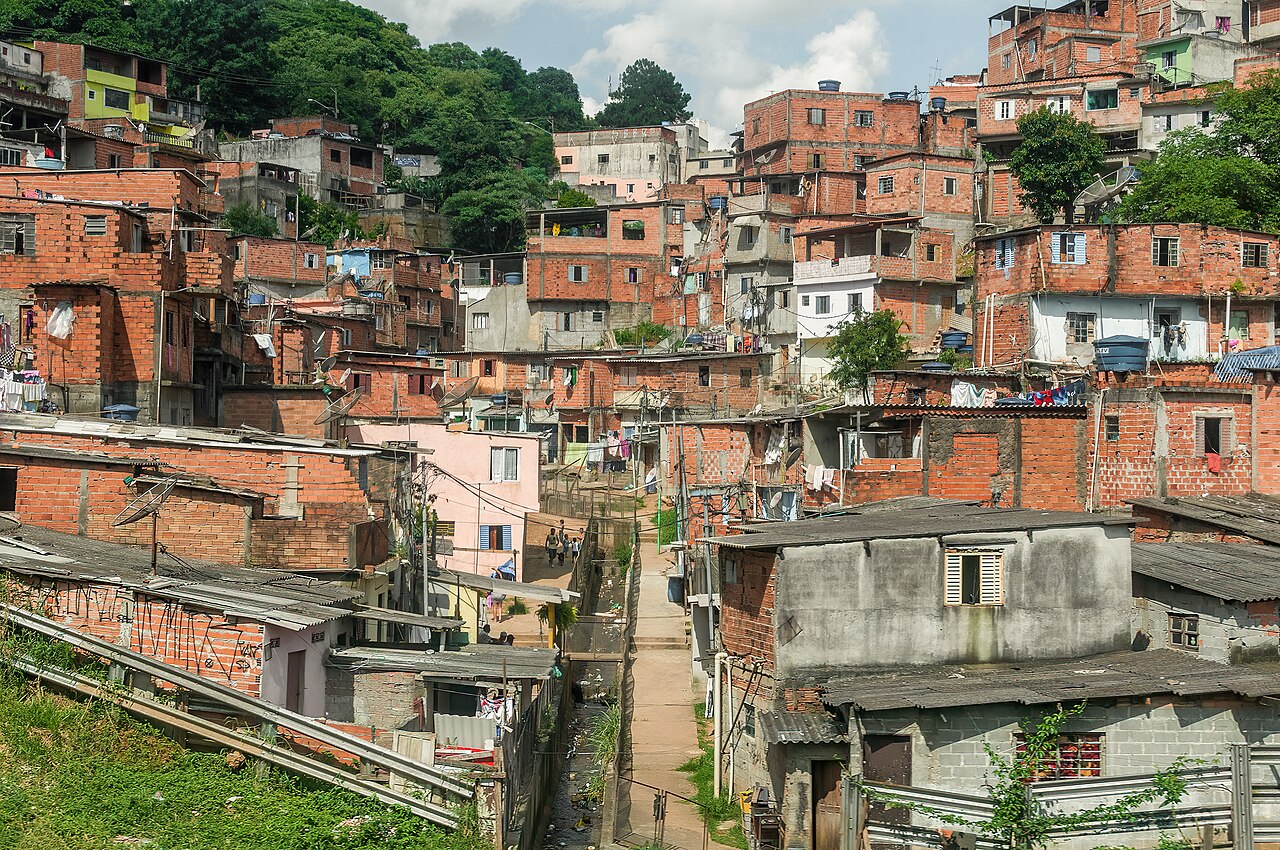
But this convenience comes with stark inequalities. A premium password manager subscription costs around R$180 annually—pocket change for tech workers in Higienópolis, but a week's groceries for families in Grajaú. WiFi encryption and VPN tools, once luxury add-ons, have become practical necessities as mobile hotspot hacking becomes increasingly common on public transport and in shared workspaces around Liberdade and Brás.
The real impact shows up in how residents navigate the city itself. Delivery workers across São Paulo now use encrypted messaging apps by default, avoiding platform algorithms that track their locations. Small vendors in the SAARA district have quietly adopted offline payment systems to avoid digital exposure. Parents in Morumbi and Santo Amaro are teaching teenagers about data privacy the way previous generations taught them about street safety.
Yet São Paulo's fragmented digital infrastructure means security is uneven. Favela communities often lack reliable broadband, making it impossible to update security patches. Meanwhile, middle-class neighborhoods enjoy cutting-edge authentication systems at banks along Avenida Paulista.
Digital safety has become a class marker—determining not just who avoids fraud, but who participates fully in the city's economic life. For São Paulo's 12 million residents, the question is no longer whether to adopt these tools, but whether the tools will ever be distributed equitably across all neighborhoods.
This article was compiled by AI and screened before publishing. See our editorial standards.