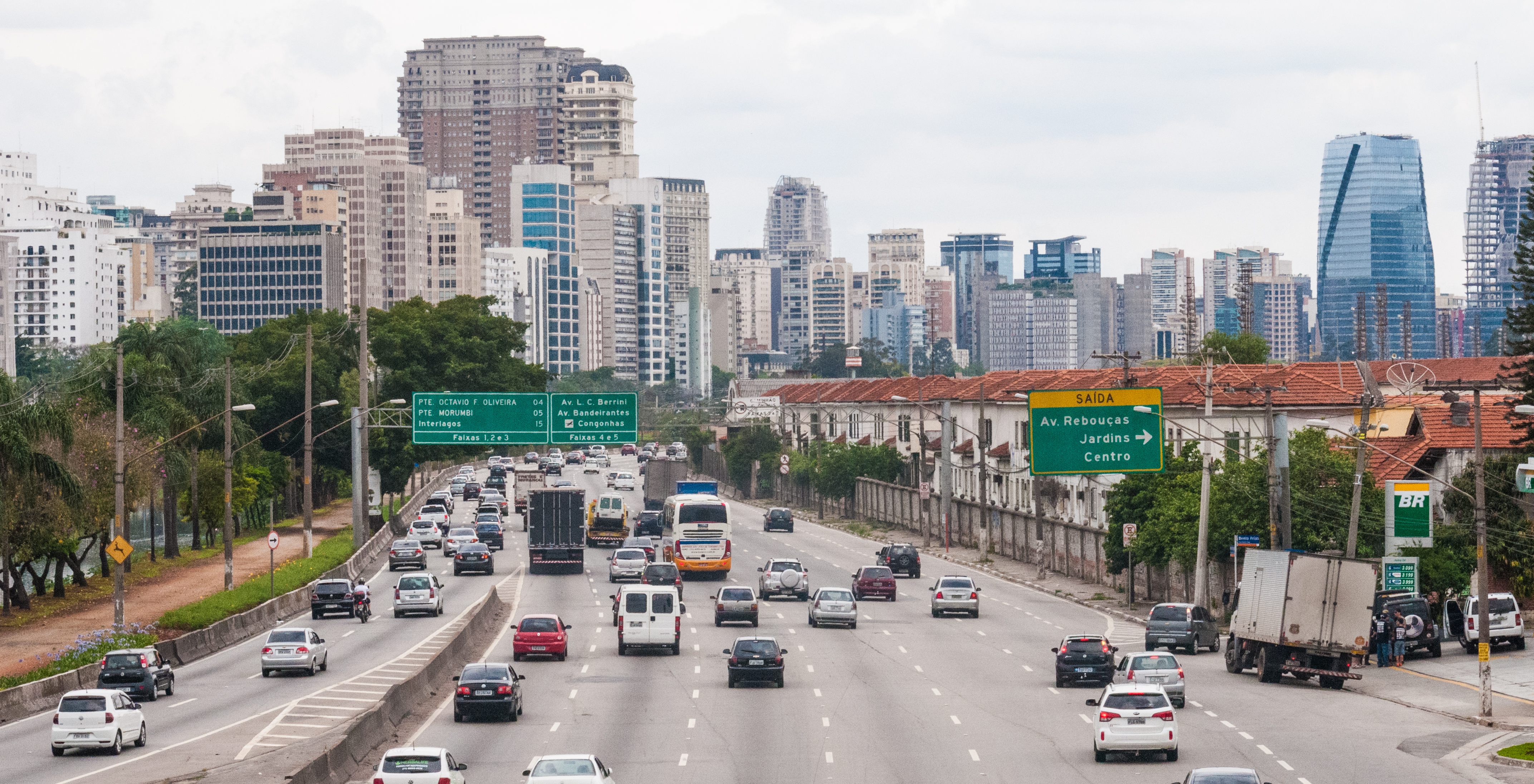
Walking down Rua Augusta on a Tuesday afternoon, you'll notice something has shifted in São Paulo's financial rhythm. Street vendors selling pastel and caldo de cana now display QR codes instead of coin boxes. A cafeteria near Estação República processes fifty transactions daily through instant transfer apps, down from cash-only two years ago. This isn't coincidence—it's the visible edge of a fintech revolution that has fundamentally altered how 12 million paulistas manage their money.
The transformation began quietly in 2023 but accelerated dramatically as competition between digital banks intensified. Today, roughly 43% of São Paulo's economically active population uses at least one fintech application for daily transactions, according to recent Associação Brasileira de Fintechs data. Traditional banking fees—once a universal cost of urban life—have become optional. A person opening an account at Banco Inter or Nu Pagamentos pays zero monthly maintenance. Compare this to 2015, when major banks charged upwards of R$30 monthly, and the cumulative impact becomes staggering.
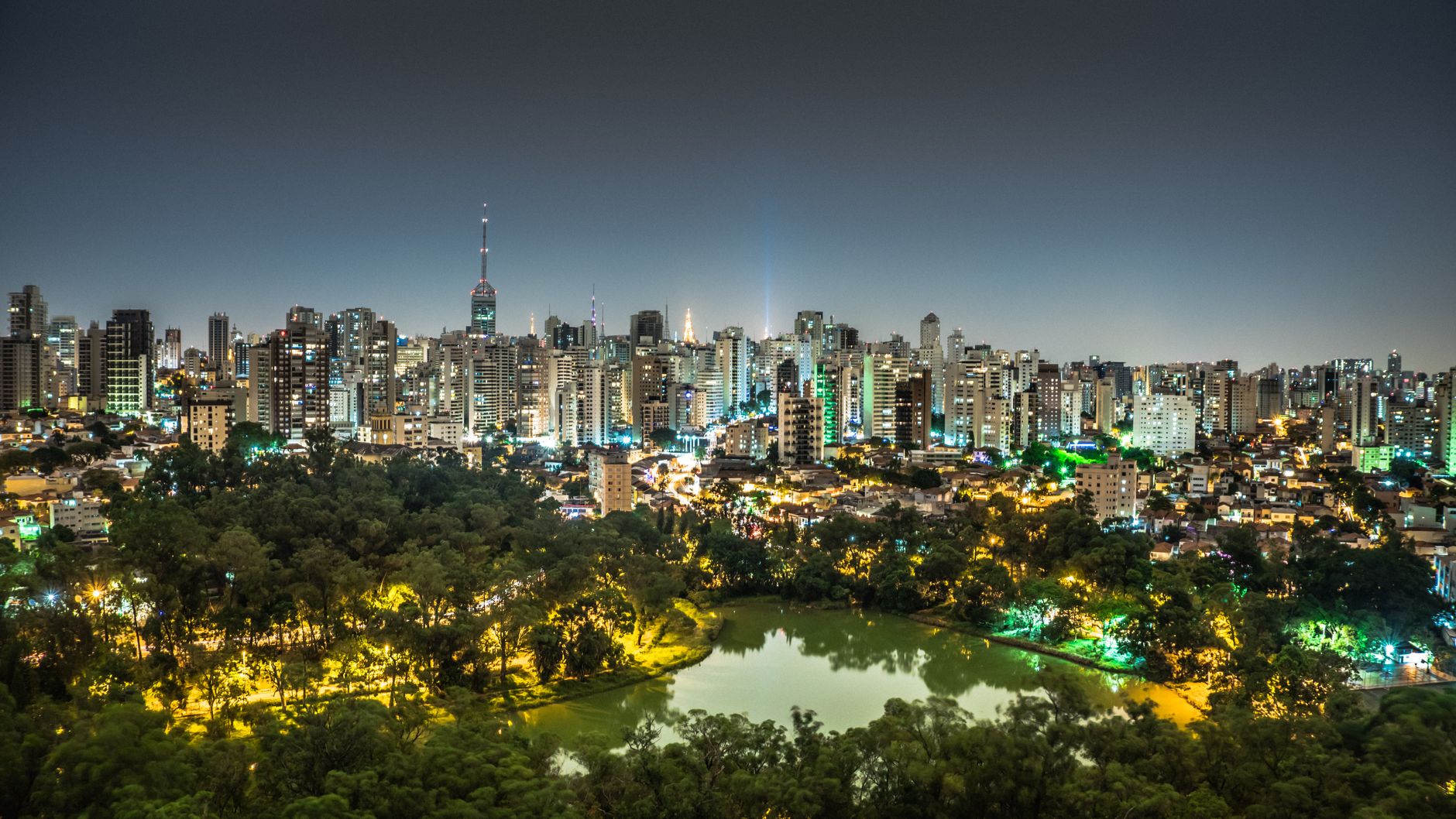
The effect ripples through neighbourhoods differently. In Pinheiros and Jardins, adoption rates exceed 55%, with residents managing investments and micro-credit through smartphone interfaces. Yet in peripheral zones like Campo Limpo and Itaquera, the revolution carries different weight: access itself. For domestic workers and informal labourers, fintech has created documented transaction histories that enable credit access previously impossible. A cleaner in Tatuapé can now borrow R$500 at 18% annual interest through algorithmic assessment rather than being denied by traditional banks entirely.
Commuters exiting Estação Luz encounter another dimension: speed. Payment rails that required three days now settle in seconds. A freelancer receives client payments instantly instead of waiting for bank processing windows. A small business owner at Rua 25 de Março can monitor cash flow in real-time, adjusting inventory decisions based on actual revenue rather than banking lag.
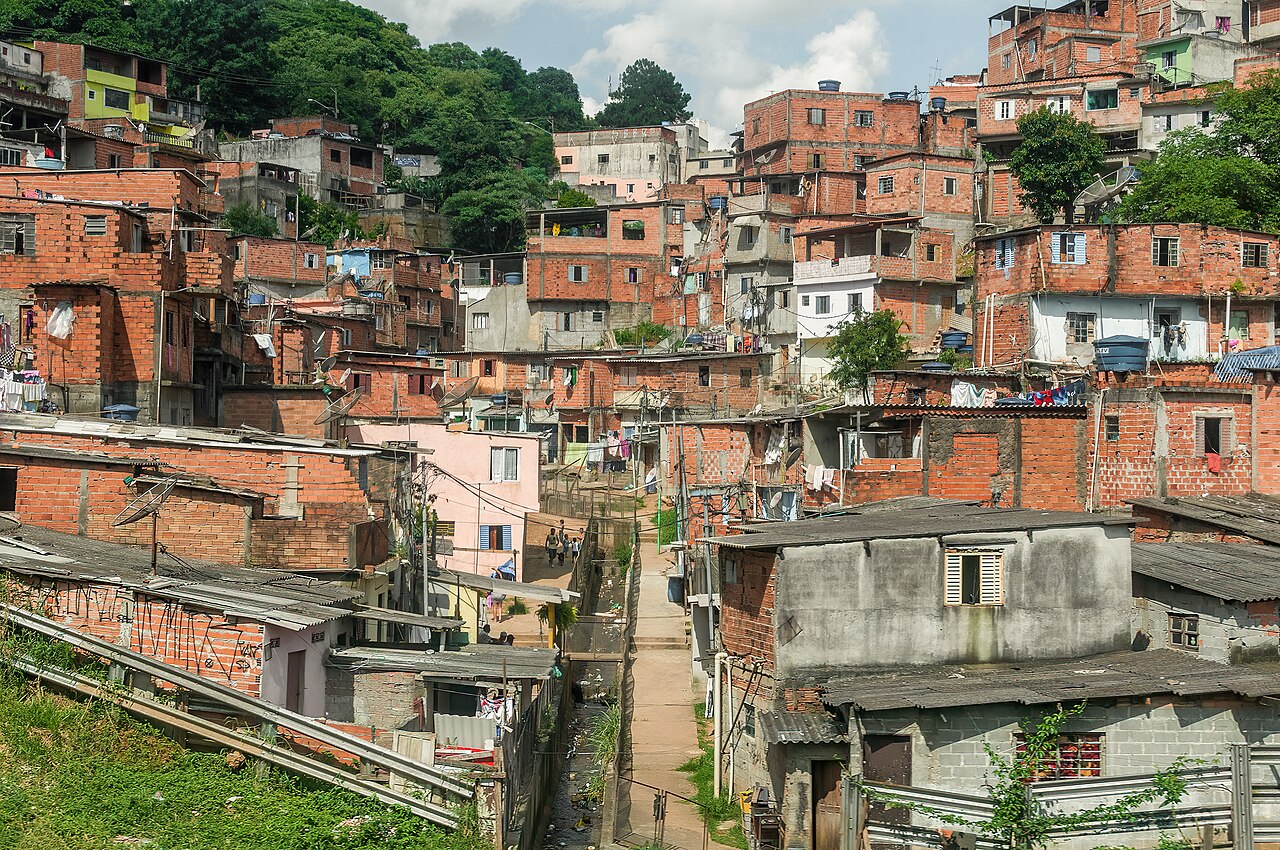
Yet challenges persist. Digital exclusion still affects elderly residents and those without stable internet access. Security concerns sparked by high-profile fraud cases have left 28% of older paulistas skeptical of virtual banking. The city's favelas and informal settlements remain underserved, with limited broadband infrastructure restricting true inclusion.
Still, the trajectory is clear. What began as a disruptive alternative to Itaú and Bradesco has become São Paulo's new financial infrastructure. The question isn't whether fintech has changed daily life—it visibly has—but whether that change will eventually reach everyone across the city's vast economic spectrum.
This article was compiled by AI and screened before publishing. See our editorial standards.