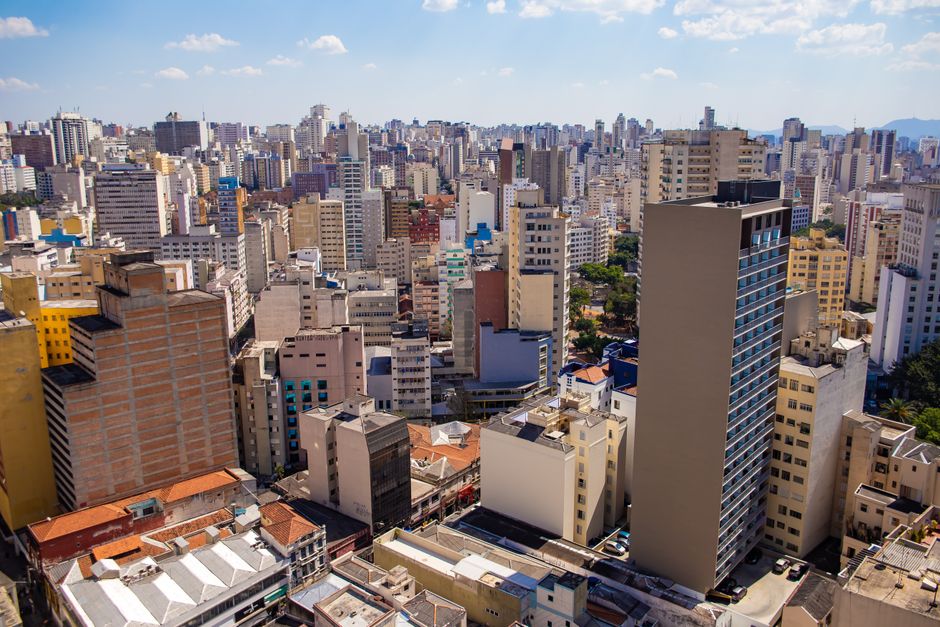
Walk through Vila Madalena on any Tuesday morning and you'll notice something that distinguishes São Paulo's tech ecosystem from the world's more famous innovation hubs: flexibility isn't a perk here, it's structural. The neighbourhood's concentration of coworking spaces—from established players like WeWork's Faria Lima location to boutique operators scattered across converted colonial mansions—reflects a deeper truth about how this city approaches work itself.
Unlike San Francisco or London, where remote work emerged as a pandemic concession, São Paulo built its tech culture around distributed teams from the beginning. This wasn't ideological; it was practical. With São Paulo's notorious congestion—commutes regularly exceed two hours—early startups discovered that retaining talent meant embracing flexibility. Today, that necessity has become competitive advantage.
The numbers tell the story. According to recent data from local coworking associations, São Paulo hosts over 180 dedicated coworking spaces, a 40 percent increase since 2023. Average membership costs R$800-1,200 monthly, significantly undercutting comparable spaces in New York or Toronto. More importantly, occupancy rates hover around 75 percent, defying global predictions of coworking collapse.
What sets the city apart isn't just density. It's the ecosystem's diversity. Spaces in Pinheiros cater to design-focused startups; Vila Leopoldina attracts fintech developers; Bom Retiro has become a hub for creative agencies leveraging cheaper rent for larger teams. This distributed geography mirrors the city's economic character—there's no monolithic downtown tech corridor, but rather multiple gravitational centers, each developing distinct specializations.
Major tech companies have noticed. Microsoft and Google now explicitly recruit from São Paulo's distributed talent pool, while Brazilian unicorns like Nubank and 99 have shifted to predominantly remote structures, with coworking credits replacing traditional offices. This flexibility has proven crucial: it allows companies to hire across Brazil's interior regions without forcing relocation, a significant advantage in a country spanning continental distances.
The cultural element shouldn't be underestimated. Brazilian work culture, with its emphasis on personal relationships alongside productivity, translates surprisingly well to hybrid models. Coworking spaces function less as desk rentals and more as social infrastructure—places where the transactional and relational aspects of work coexist naturally.
As global companies face burnout and attrition from rigid return-to-office mandates, São Paulo's three-decade experiment in distributed work is suddenly instructive. The city hasn't just adapted to remote work; it's created a template that treats flexibility as foundational rather than supplementary—one that other tech hubs are quietly studying as they reconsider their own futures.
This article was compiled by AI from the sources linked above and screened before publishing. See our editorial standards.