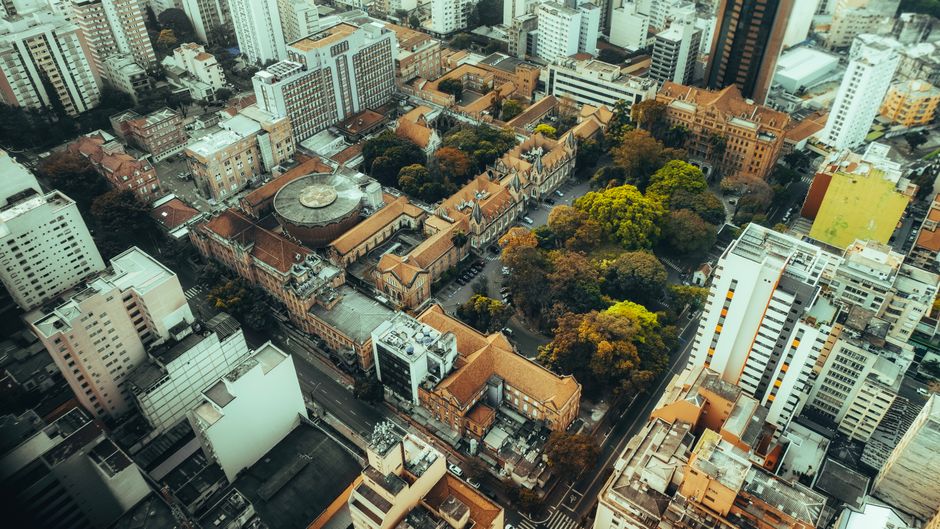
On a Tuesday morning in Vila Mariana, Anderson Santos checks his smartphone while sipping coffee at a local padaria. The app tells him his rooftop solar installation generated enough energy overnight to power his fridge, lights, and home office for the entire day. It's a routine that would have seemed like science fiction five years ago—but for thousands of São Paulo residents, it's now daily reality.
The shift toward distributed solar energy in São Paulo has accelerated dramatically since 2023, with installations on residential properties increasing by 240 percent according to data from the Brazilian Solar Energy Association. In wealthy neighbourhoods like Jardins and Higienópolis, solar adoption has long been standard. What's changed is the spread to middle-class areas: Vila Mariana, Pinheiros, and Vila Madalena now host thousands of residential systems that are fundamentally changing how residents interact with electricity.
The financial incentive is straightforward. A typical 5kW residential system—sufficient for an average São Paulo home—costs between R$25,000 and R$35,000 installed, with payback periods of six to eight years. More significantly, residents with surplus generation can sell excess power back to distributors like Enel, creating a genuine revenue stream. Some households report monthly credits of R$200-400 during sunny months.
But the transformation extends beyond economics. Environmental awareness has become embedded in everyday life. Residents track their carbon offset—a single rooftop system prevents roughly 70 tons of CO2 emissions over its 25-year lifespan. Community groups on Avenida Paulista and near Ibirapuera Park now regularly share performance data, creating informal accountability networks.
Energy independence has also altered residents' relationship with São Paulo's aging grid infrastructure. During the recent brownouts affecting the Zona Sul in March, homes with battery storage—increasingly paired with solar systems—maintained electricity while neighbours sat in darkness. The psychological shift is profound: energy is no longer something passively consumed from a distant utility, but actively generated at home.
Storage technology, particularly lithium-ion batteries, remains expensive at R$15,000-25,000 for domestic systems. Yet prices are dropping 8-12 percent annually. Meanwhile, municipal incentives—including reduced taxes on equipment in some districts—are making adoption faster than expected.
For São Paulo residents accustomed to rising electricity tariffs and infrastructure strain, the technology offers something deeper than kilowatt-hours: agency. Whether motivated by cost, environmental conscience, or frustration with utility companies, thousands of paulistas are rewriting their relationship with energy itself.
This article was compiled by AI and screened before publishing. See our editorial standards.