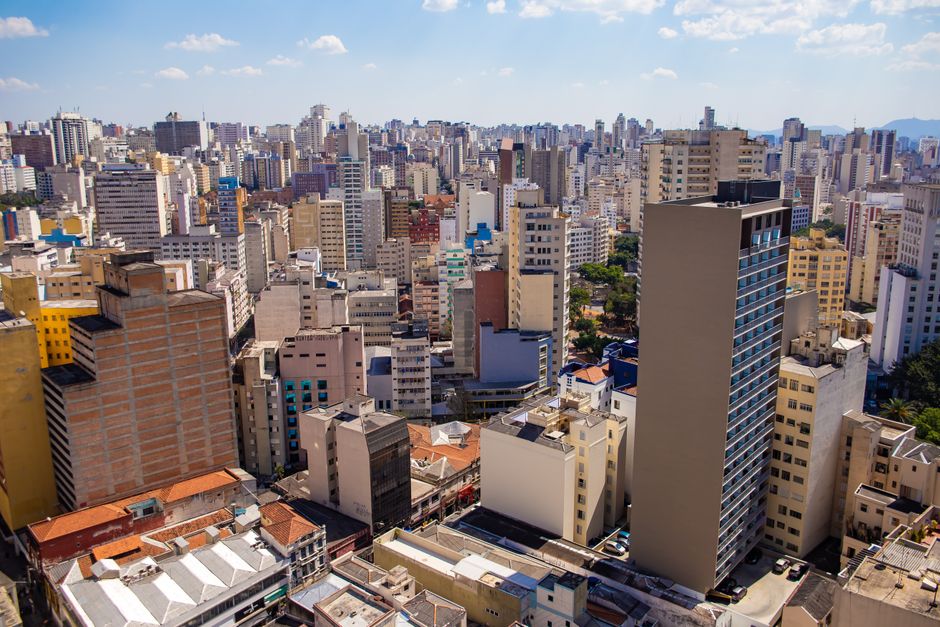
Walk through the tree-lined streets of Vila Mariana on any sunny morning, and you'll notice something that would have seemed unlikely five years ago: solar panels glinting from residential rooftops every few blocks. What was once a luxury for the wealthy has become increasingly routine, driven by falling installation costs and government incentives that have transformed how São Paulo's 12 million residents power their homes.
The shift reflects a broader energy revolution reshaping daily life across the city. Installation costs for residential solar systems have dropped nearly 40% since 2020, making them accessible to middle-class families in neighborhoods like Perdizes and Butantã. A typical 5kW system now costs around R$25,000 to R$30,000—a figure that increasingly makes financial sense given São Paulo's notorious blackout history and rising electricity tariffs that have climbed 15% in the past two years alone.
The transformation extends beyond rooftops. The São Paulo metro system's investment in electric buses has already placed over 600 zero-emission vehicles on routes across the city, with plans to reach 2,000 by 2028. Commuters on the 702-Imigrantes line and routes through the Zona Leste now experience quieter, cleaner journeys. Air quality monitoring stations around the city have recorded a measurable 8% improvement in particulate matter since 2023, particularly in corridors where electric buses have replaced diesel-fueled vehicles.
Battery storage technology has become equally important. Rolling blackouts—a recurring nightmare during summer months—have spurred adoption of home battery systems that pair with solar installations. Companies operating across São Paulo's business districts now offer integrated solutions that let residents sell excess power back to the grid, creating genuine economic incentives beyond environmental consciousness.
The city's favelas and lower-income communities are also benefiting, though unevenly. NGOs operating in areas like Heliópolis and Paraisópolis have installed communal solar systems on shared rooftops, reducing energy costs for entire blocks. While wealth disparities remain—wealthier neighborhoods like Jardins have faster adoption rates—the technology's democratization is unmistakable.
Perhaps most visibly, green spaces are being integrated into urban design. The revitalized margins of the Pinheiros River and new cycling infrastructure across neighborhoods like Vila Olimpia reflect a broader shift toward sustainable mobility. The city's target of 500km of bicycle lanes by 2030 is reshaping commuting patterns, particularly among younger residents.
São Paulo's green energy transition remains uneven, marked by infrastructure gaps and affordability challenges. Yet for millions navigating daily life in one of the world's most polluted megacities just a decade ago, the changes are increasingly tangible—visible on rooftops, audible in quieter streets, and measurable in energy bills that finally, after years of relentless increases, are beginning to stabilize.
This article was compiled by AI from the sources linked above and screened before publishing. See our editorial standards.