On a Tuesday morning in Pinheiros, Ana Clara uses her phone to split a coffee bill with colleagues at a café on Rua Bom Jesus. No wallet. No card. A tap, a confirmation, and the R$8.50 is transferred instantly. This scene, repeated thousands of times daily across São Paulo's neighbourhoods, represents a quiet revolution reshaping how the city's 12 million residents handle money.
Brazil's fintech sector has exploded over the past five years, with more than 900 registered digital financial services companies now competing for market share. In São Paulo—home to most of the country's fintech headquarters clustered around Faria Lima and Vila Mariana—the impact on everyday life is tangible and accelerating.
For micro-entrepreneurs in the Bom Retiro textile district, mobile payment platforms have eliminated the need to travel to traditional banks to deposit daily takings. A street vendor working near Rua 25 de Março can now receive payment instantly through open banking APIs, reducing cash-handling risks. Banks that once dominated financial services are now competing with startups offering zero-fee accounts and credit approvals in minutes rather than days.
The numbers tell the story: according to recent Central Bank data, instant payment systems processed more than 8 billion transactions in 2025 across Brazil, with São Paulo accounting for roughly 40 per cent. The average paulista now uses three different financial apps simultaneously—a banking app, a payment platform, and a digital wallet—switching between them depending on convenience and lowest fees.
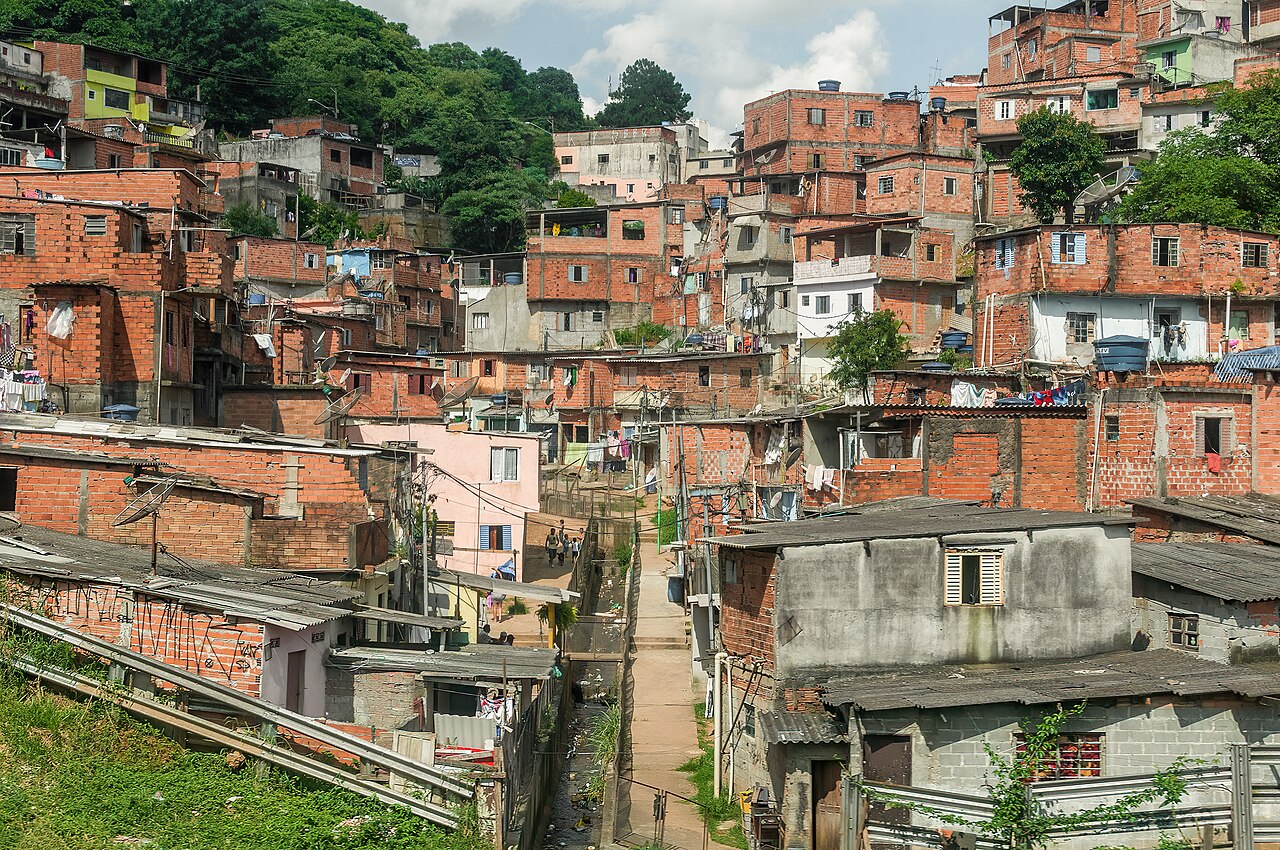
The impact extends beyond convenience. Low-income residents in neighbourhoods like Grajaú and Capão Redondo, traditionally underserved by brick-and-mortar banks, now access credit products through fintechs without stepping foot in a physical branch. Interest rates remain high by global standards, but competition is gradually forcing them lower.
Not everyone celebrates. Traditional banks have shed branches across the city, with some residents—particularly elderly paulistas—struggling to adapt. The Central Bank reported 15 million Brazilians remain unbanked, though that figure is slowly declining as smartphone penetration increases.
Financial inclusion advocates note that while fintech has democratized access, digital literacy gaps remain. Community groups in peripheral zones like Itaquera still hold workshops teaching residents to navigate apps and identify fraud.
As São Paulo continues attracting venture capital and international fintech investment—over $2 billion flowed into Brazilian fintechs last year—the transformation accelerates. The future of banking in the city won't be decided by marble lobbies on Avenida Paulista, but by algorithms optimizing service for 12 million daily users.
This article was compiled by AI and screened before publishing. See our editorial standards.