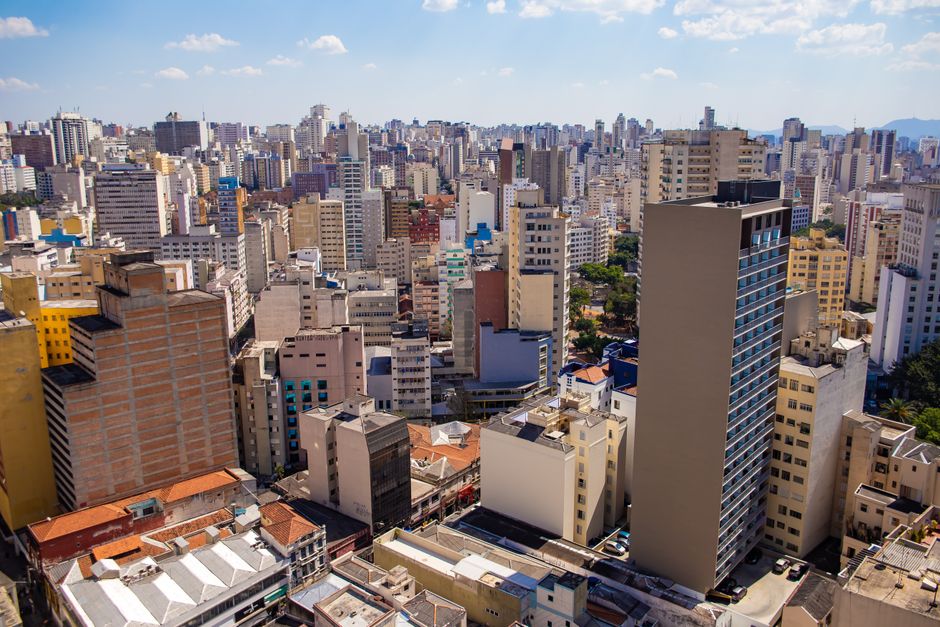
How AI-powered logistics startups are transforming delivery chaos in São Paulo's congested streets
Real-time route optimization built by homegrown tech firms is cutting delivery times by nearly 40% across the city's most trafficked neighbourhoods.
Real-time route optimization built by homegrown tech firms is cutting delivery times by nearly 40% across the city's most trafficked neighbourhoods.
On any given afternoon, the intersection of Avenida Paulista and Rua Augusta turns into a gridlocked puzzle of delivery motorcycles, courier vans, and buses competing for limited road space. For years, this daily chaos cost residents hours of waiting time and businesses millions in logistics overhead. Now, a wave of São Paulo-based technology companies is rewiring how packages move through the city's arteries.
LocalFlow, a startup founded in Vila Mariana in 2023, has deployed AI algorithms that predict traffic patterns with 87% accuracy across São Paulo's 1,500-square-kilometre metro area. The system learns from real-time data collected from 12,000 delivery partners using the platform, adjusting routes every 90 seconds as conditions change. For residents in high-density zones like Pinheiros and Consolação, this has meant average delivery windows shrinking from 3-4 hours to 90 minutes.
"The traditional dispatch model was essentially guessing," explains the logistics challenge facing a city where average traffic speeds during peak hours hover around 18 km/h. Last-mile delivery costs in São Paulo run roughly 45% higher than the national average, largely due to congestion. Three major platforms now use LocalFlow's routing engine, collectively serving over 2.2 million deliveries monthly across the metropolitan region.
The economic impact ripples outward. Small retailers along Rua 25 de Março—São Paulo's wholesale district—report that faster, more predictable delivery windows have allowed them to reduce inventory carrying costs by up to 22%. For residents, this translates to lower prices on e-commerce purchases and fresher food deliveries from grocery services leveraging the same technology.
But the innovation extends beyond speed. DroneLogic, operating from an innovation hub in Santo Amaro, has begun testing autonomous aerial delivery in low-density residential areas of the periphery. The company has completed over 800 test flights since January, with a goal of reducing delivery emissions by 60% in participating neighbourhoods by year-end.
Transit authority officials acknowledge the sector's growing role in infrastructure planning. "These companies are generating data that helps us understand mobility patterns we couldn't see before," a spokesperson noted. The city has allocated R$85 million toward smart traffic initiatives over the next three years, with private tech partnerships expected to play a central role.
For São Paulo residents tired of missed delivery windows and traffic-induced delays, the convergence of AI, logistics data, and local innovation is delivering tangible results. The messy reality of urban distribution is finally catching up with what technology promised years ago.
This article was compiled by AI from the sources linked above and screened before publishing. See our editorial standards.
How does this story make you feel?
Spread the word
About this article
Published by The Daily São Paulo
Daily brief
Free, in your inbox before 7am. Weekdays.
More in tech