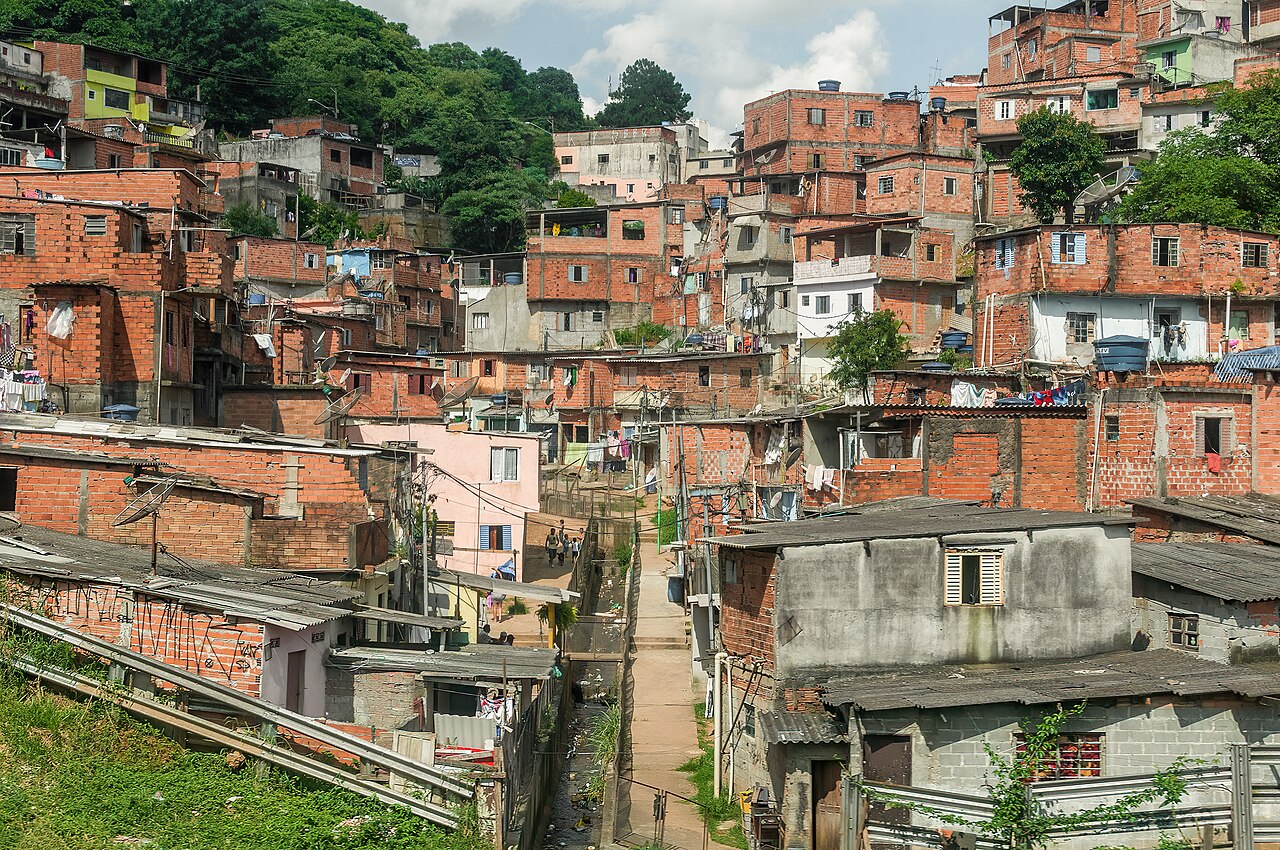
The glass and steel towers lining Avenida Paulista tell one story about São Paulo's transformation into a thriving innovation epicentre. But beneath the venture capital triumphs and unicorn valuations lurks a more complex reality that industry leaders and government officials can no longer ignore.
With over 14,000 active startups generating an estimated R$180 billion in annual economic activity, São Paulo has earned its place alongside global tech capitals. Yet this explosive growth has accelerated alongside troubling patterns that demand ethical reckoning. The neighbourhoods around Vila Mariana and Jardins—where tech companies cluster in refurbished colonial buildings—present a paradox: innovation prosperity shadowing gentrification that displaces long-term residents and pushes working families further from city centres.
Data protection remains perhaps the most urgent concern. A 2025 survey found that 62% of São Paulo startups lack adequate cybersecurity infrastructure, while many harvest user data with minimal transparency. Recent cases involving ride-sharing and fintech platforms operating from São Paulo have revealed algorithmic systems that discriminate against lower-income neighbourhoods, directing fewer services to peripheral regions while charging higher rates. The ethical frameworks governing these decisions often exist only on paper.
Labour practices compound these tensions. Young workers in startup hubs like the WeWork spaces in Pinheiros accept below-market wages and gruelling hours under the promise of equity shares that frequently evaporate. Female representation in leadership remains stubbornly low—approximately 18% among startup founders—while harassment complaints go largely unaddressed through formal channels.
The environmental footprint deserves equal attention. Data centres powering São Paulo's cloud infrastructure consume vast electricity quantities during a period when the state faces climate vulnerability. Few companies measure or offset their carbon impacts transparently.
Importantly, these challenges aren't inevitable costs of progress. Progressive companies operating from spaces like the Hub inovação in the Zona Leste demonstrate that responsible innovation is achievable. Platforms implementing algorithmic audits, transparent data policies, and equitable hiring practices show the path forward.
São Paulo's tech ecosystem stands at a crossroads. The next phase of growth will be defined not by further acceleration alone, but by whether this city's innovators demonstrate the maturity to build prosperity that's genuinely shared and ethically grounded. Regulators must strengthen oversight. Companies must internalize responsibility as a feature, not a afterthought. And civic dialogue about technology's role in urban life must involve voices beyond those in air-conditioned boardrooms.
The question isn't whether São Paulo remains innovative. It's whether that innovation serves everyone, or only those positioned to benefit first.
This article was compiled by AI and screened before publishing. See our editorial standards.