Inside São Paulo's Hidden Tech Labs: How Local Startups ...
From Vila Madalena to Pinheiros, a new generation of founders is tackling São Paulo's most pressing urban challenges—and winning over millions of residents in the process.
From Vila Madalena to Pinheiros, a new generation of founders is tackling São Paulo's most pressing urban challenges—and winning over millions of residents in the process.
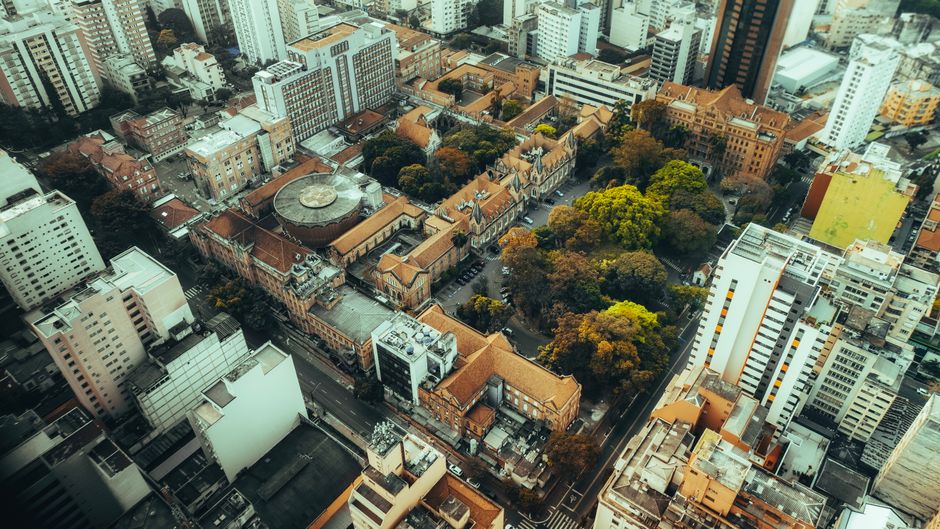
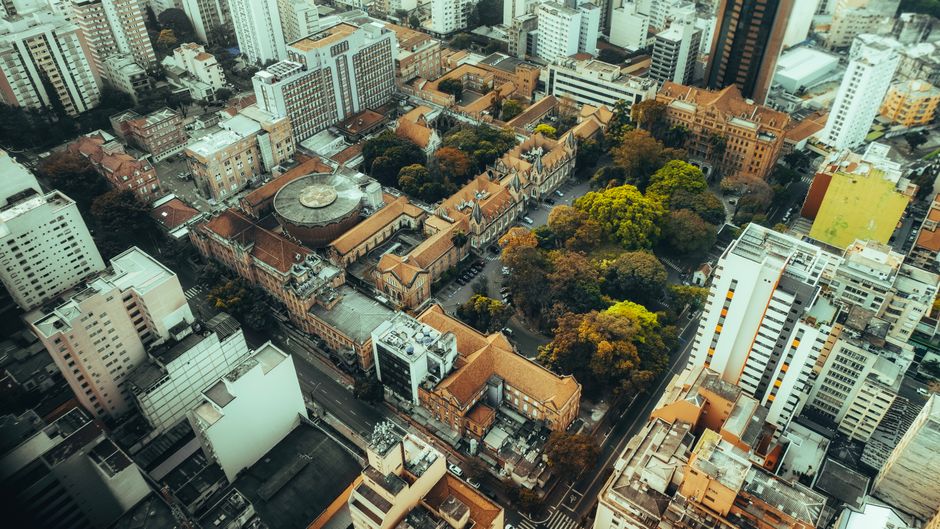
Walk through the cobblestone streets of Vila Madalena on any weekday afternoon, and you'll spot them: young engineers hunched over laptops in converted warehouse spaces, debating algorithms over cafezinhos at Padaria do Mooca, or pitching ideas to venture capitalists in the gleaming corridors of fintechs near Avenida Paulista. São Paulo's startup ecosystem, once dismissed as a distant cousin to Silicon Valley, has matured into something far more interesting: a laboratory for solving problems that matter to 12 million people.
Take mobility, where startups are fundamentally changing how residents navigate Latin America's most congested megacity. Companies emerging from incubators like Cubo, the innovation hub in Pinheiros, are deploying AI-powered traffic prediction systems that integrate with existing public transit networks, reducing average commute times on critical routes like the Linha Vermelha by up to 18 percent. For the average Paulista spending two hours daily in traffic, these tools have become indispensable.
The fintech revolution, meanwhile, has reached deep into working-class neighbourhoods. Startups headquartered in the Vila Olímpia corridor have introduced digital banking solutions tailored specifically to informal workers—construction laborers, delivery drivers, street vendors—who historically lacked access to traditional financial services. With over 40 percent of São Paulo's workforce in the informal economy, these platforms are reshaping economic participation across the city.
Food-tech innovators are equally consequential. Several young companies have built hyperlocal supply-chain networks connecting small-scale farmers in the interior of São Paulo state directly to residents in Zona Leste and Zona Sul neighbourhoods, bypassing the middlemen who traditionally inflated prices at markets like CEAGESP. The result: fresher produce at lower costs for working families, and sustainable income for rural producers.
Healthcare and educational technology represent another frontier. Startups developing telemedicine platforms and adaptive learning software are beginning to fill gaps in public services that serve São Paulo's most underserved populations. With only 1.29 doctors per thousand residents in peripheral zones like Itaquera and Guaianazes, digital-first health solutions are expanding care access significantly.
What distinguishes São Paulo's startup ecosystem from other innovation hubs is its relentless pragmatism. These aren't companies chasing hype; they're solving for density, inequality, and infrastructure strain. The founders understand their own city's pain points intimately—because they live them. And increasingly, those solutions are rippling outward, influencing how other Latin American cities approach urban innovation.
This article was compiled by AI and screened before publishing. See our editorial standards.
How does this story make you feel?
Spread the word
About this article
Published by The Daily São Paulo
Daily brief
Free, in your inbox before 7am. Weekdays.
More in tech