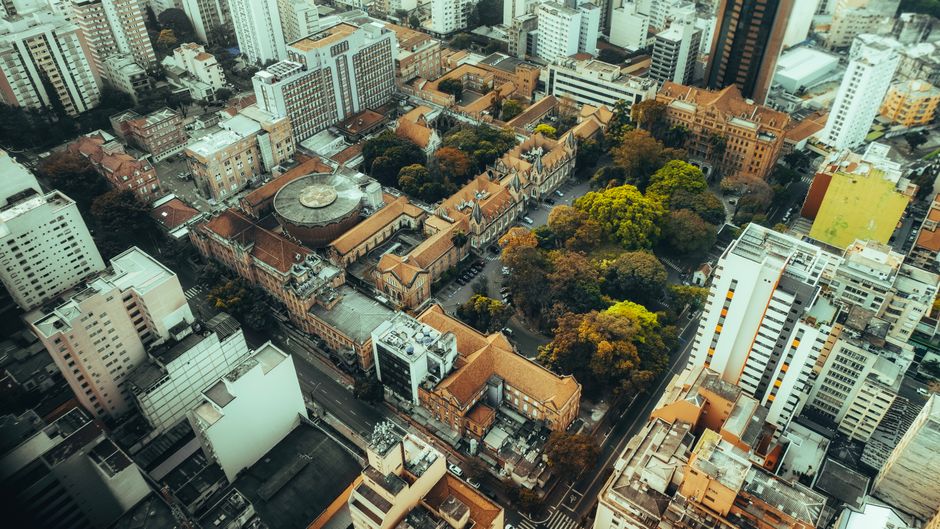
Walk through the tree-lined avenues of Vila Mariana or the bustling Avenida Paulista corridors and you'll find the unmistakable signs of a financial revolution. Over the past three years, fintech startups in São Paulo have collectively raised more than $2.8 billion in venture funding—a figure that has more than tripled since 2023, according to local venture intelligence firm Distrito. The city has become Brazil's undisputed hub for financial innovation, drawing investment from Silicon Valley giants, European tech funds, and regional powerhouses alike.
The growth trajectory tells a compelling story. In 2025 alone, approximately 47 fintech companies operating from São Paulo closed funding rounds, ranging from seed-stage injections of $500,000 to Series C commitments exceeding $100 million. This capital influx has transformed neighborhoods like Pinheiros—once known primarily for its bohemian nightlife—into a thriving ecosystem of developer labs, incubators, and corporate innovation hubs. The region now hosts more than 80 registered fintech operations, many clustered near shopping districts like Faria Lima and along the Marginal Pinheiros corridor.
What's driving this investment fever? Brazil's underbanked population remains enormous. Roughly 60 million Brazilians lack access to traditional banking services, creating a massive addressable market for digital-first financial platforms. Investors see the opportunity clearly: fintech companies offering payment solutions, buy-now-pay-later services, and micro-lending platforms have demonstrated unit economics that rival or exceed their North American counterparts, while operating in a market with significantly lower saturation.
The investment landscape has matured considerably. Whereas five years ago most funding came from domestic sources or adventurous angel investors, today's rounds feature commitments from tier-one funds including SoftBank Vision Fund, Andreessen Horowitz, and Ribbit Capital. Regional funds like Monashees and Redpoint have doubled down on their São Paulo presence, maintaining offices in high-rises near Avenida Imigrantes and along the Berrini business district.
Yet challenges remain. Regulatory complexity surrounding open banking standards, compliance costs, and fierce competition from established banks creating their own digital offerings keep pressure on margins. Still, the momentum is undeniable. By conservative estimates, the combined valuation of São Paulo's fintech sector has exceeded $12 billion—making it one of Latin America's most valuable tech concentrations outside of Mexico City.
For young professionals flooding into São Paulo's business quarters each day, the fintech boom represents something larger: proof that innovation, capital, and ambition can converge to reshape an entire financial system.
This article was compiled by AI and screened before publishing. See our editorial standards.