São Paulo's Digital Promise Clashes With Privacy Peril: Inside the Cybersecurity Paradox
As the city's tech sector booms, residents and businesses face mounting threats—and uncomfortable questions about who guards the guardians.
As the city's tech sector booms, residents and businesses face mounting threats—and uncomfortable questions about who guards the guardians.
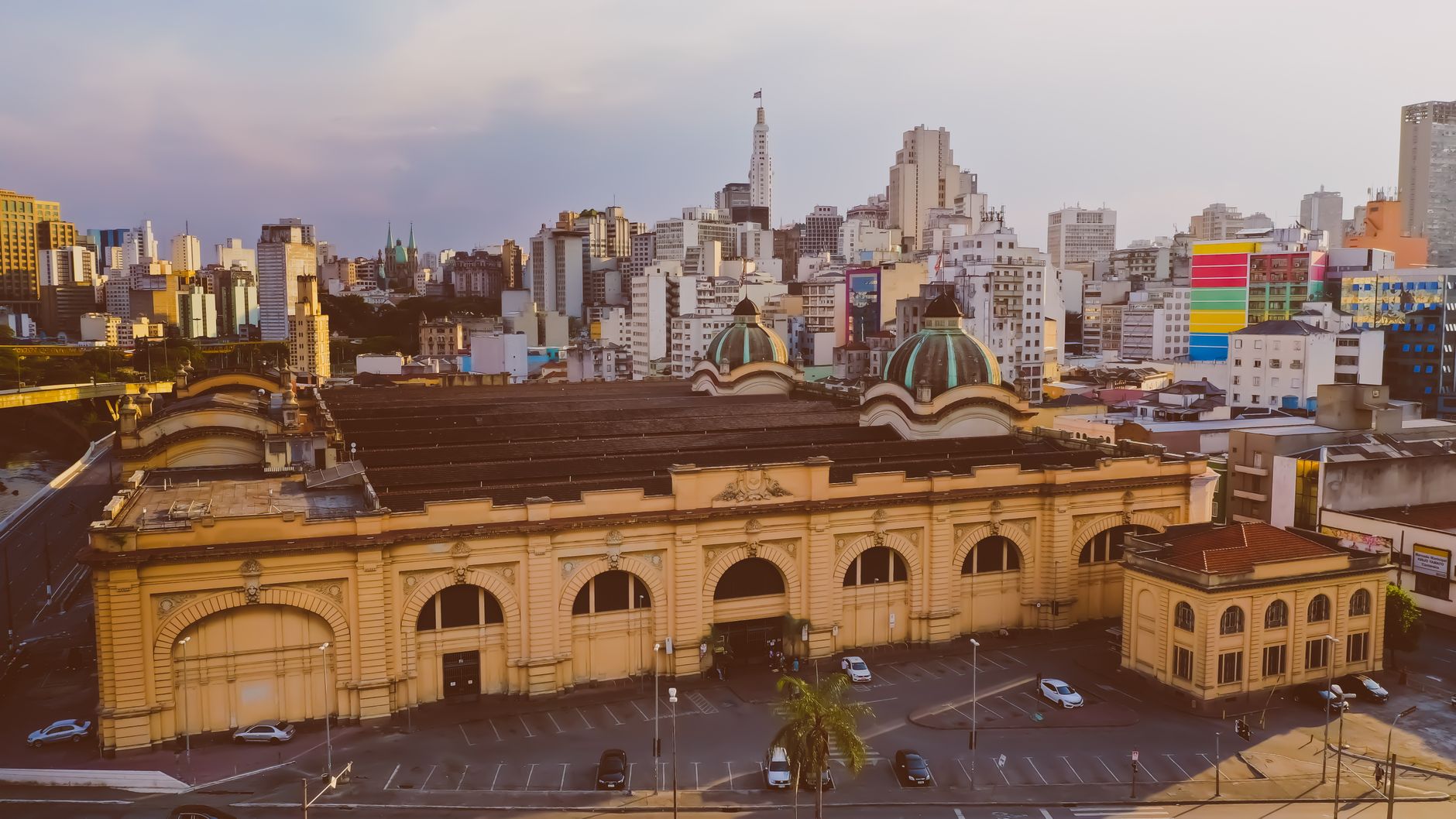
São Paulo's transformation into a global tech hub has been dizzying. The neighbourhoods around Avenida Paulista and Vila Mariana now host thousands of startups and established tech firms, with venture capital flowing freely through coworking spaces in Pinheiros and Vila Madalena. Yet this digital prosperity masks a troubling reality: as innovation accelerates, so do the risks.
The numbers tell a stark story. According to the Brazilian Institute of Applied Economic Research (IPEA), cybercrime losses in São Paulo topped R$8.4 billion last year—a 34 percent increase from 2024. Small businesses in the Bom Retiro and Brás districts, many newly digitised through government incentives, have proven especially vulnerable to ransomware attacks. Meanwhile, data breaches exposing personal information of São Paulo residents have become disturbingly routine, with healthcare providers, banks, and retail chains all falling victim.
The deeper issue, however, transcends technical vulnerability. Companies harvesting consumer data to fuel AI training and algorithmic decision-making operate in a grey zone of minimal regulation. A local e-commerce platform recently admitted to tracking user behaviour across 47 third-party sites without explicit consent—a practice that is legal but ethically fraught. Meanwhile, surveillance infrastructure, ostensibly deployed for public safety in transport hubs and shopping districts, raises questions about government overreach that regulatory bodies have struggled to address.
Eduardo Matarazzo, a neighbourhood in the city's south zone, has emerged as an unexpected flashpoint. Residents discovered municipal CCTV feeds were accessible to unauthorised parties through poorly secured databases—a breach that exposed months of footage. The incident highlighted how cybersecurity negligence can undermine trust precisely where it matters most: local governance.
For the tech industry itself, the promise remains genuine. Cybersecurity firms clustered in the corporate towers near Avenida Brasil are developing sophisticated defences. Brazilian encryption standards are gaining international credibility. Yet without stronger privacy legislation—Brazil's LGPD remains incomplete in enforcement—the sector risks becoming a cautionary tale rather than a success story.
The challenge facing São Paulo is neither new nor unique, but it is urgent. How do we nurture technological progress while genuinely protecting citizens? The answer demands more than better code; it requires honest conversation about the ethics underlying the systems we're building. For a city that prides itself on innovation, that conversation cannot come soon enough.
This article was compiled by AI and screened before publishing. See our editorial standards.
How does this story make you feel?
Spread the word
About this article
Published by The Daily São Paulo
Daily brief
Free, in your inbox before 7am. Weekdays.
More in tech