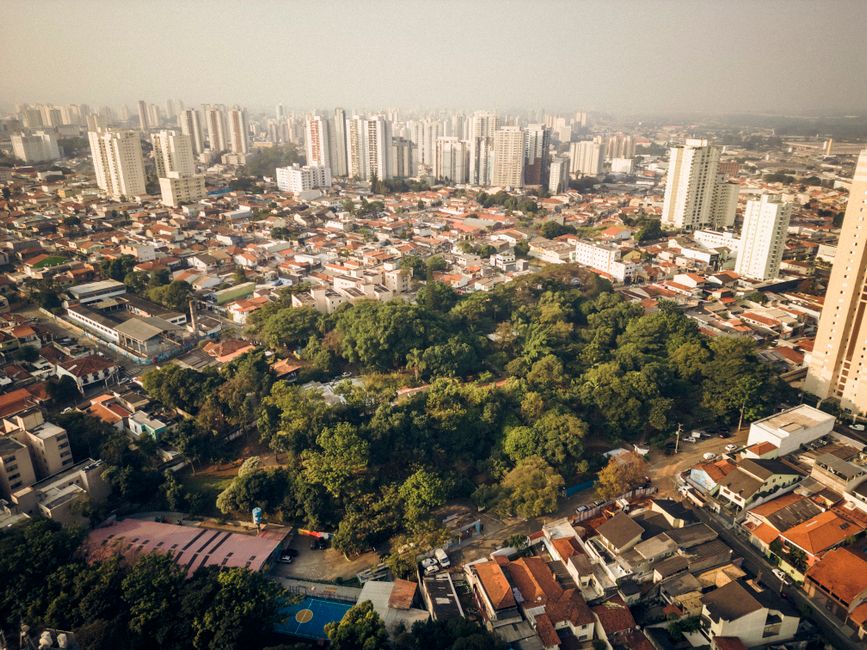
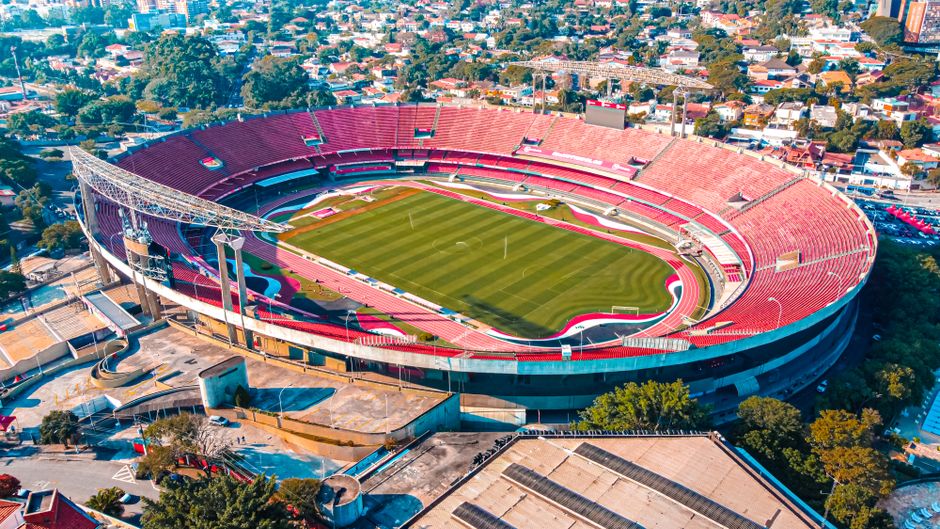
The numbers tell a revealing story about contemporary São Paulo. While the Estádio do Morumbi continues to draw crowds for football matches, auxiliary facilities and training grounds across the city are experiencing unprecedented demand from a population increasingly invested in structured fitness activities beyond the traditional spectator model.
Recent data from the São Paulo Sports Department reveals that participation in organized activities at major municipal venues has surged 34% over the past three years. The Complexo do Imigrantes, sprawling across the southern reaches of the city, now hosts more than 12,000 weekly visitors across its athletic facilities—up from 8,800 in 2023. Similarly, the Centro de Treinamento Paralímpico in the Zona Leste has expanded its programs by 40%, reflecting growing interest in adaptive and inclusive fitness options among middle-class paulistas.
The shift is most pronounced in the Pinheiros region, where converted warehouse spaces and purpose-built gyms have proliferated along Avenida Brasil. Participation fees range from R$120 to R$400 monthly for structured programs—a significant commitment that speaks to disposable income and lifestyle prioritization among affluent neighborhoods. Yet the more telling statistic comes from peripheral zones: Vila Madalena and Consolação have seen grassroots futsal leagues and community running clubs grow by 58% in the same period, suggesting fitness culture is democratizing across economic lines.
The Estádio Cícero Pompeu de Toledo, home to the traditional athletics community, reports that track participation has stabilized at roughly 3,500 registered members—a plateau that contrasts sharply with the explosive growth in cross-training facilities and boutique fitness concepts. This suggests that while football remains culturally dominant, paulistas are fragmenting their fitness interests across multiple modalities and venues.
What explains this reshaping? Partly, the city's growing traffic congestion has made proximity a decisive factor—locals increasingly favor neighborhood-based facilities over lengthy commutes to traditional stadiums. The rise of corporate wellness programs has also channeled middle-income participants toward private facilities with flexible scheduling. And demographic shifts toward younger professionals in central and southern zones have created demand for Instagram-friendly, community-oriented fitness spaces rather than massive, impersonal venues.
The data suggests São Paulo's relationship with organized sport and fitness is mattering less as spectacle and more as personal infrastructure. For city planners and venue operators, the message is clear: the future belongs to distributed, accessible, locally-embedded facilities rather than monumental stadiums designed for crowds.
This article was compiled by AI and screened before publishing. See our editorial standards.