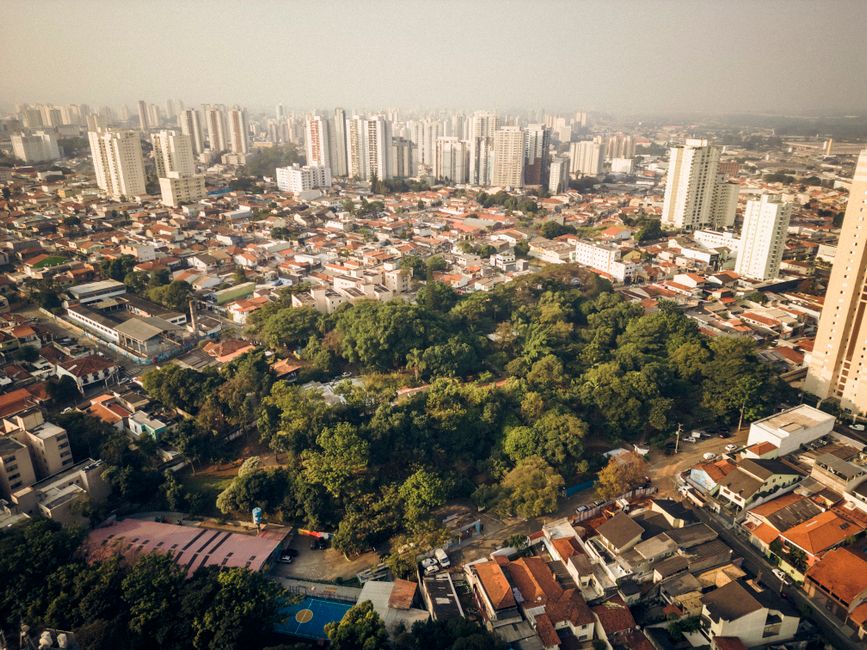
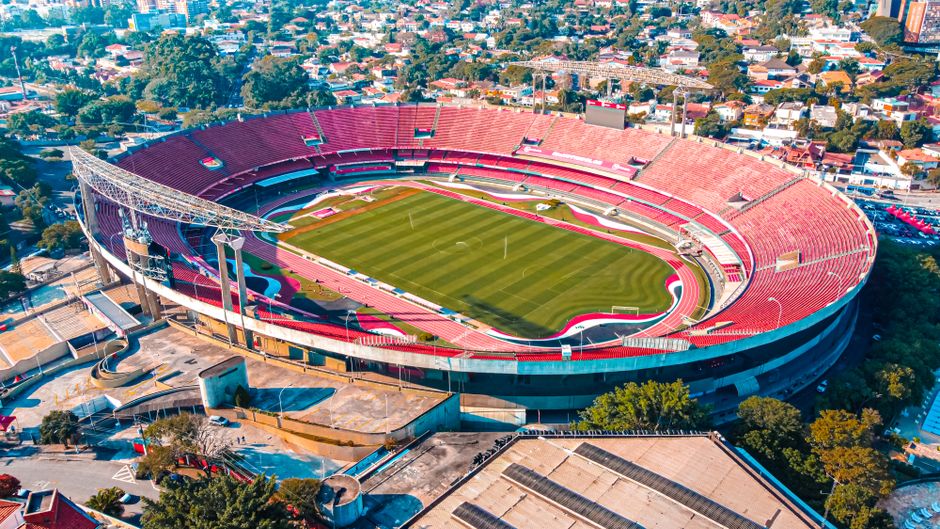
In a sprawling city where opportunities often divide along invisible class lines, São Paulo's grassroots sports clubs have become unlikely agents of social mobility and community cohesion. From the gentrifying streets of Vila Madalena to the densely packed suburbs of Itaquera and Grajaú, local clubs are quietly transforming lives—one training session, one tournament, one friendship at a time.
The numbers tell part of the story. São Paulo now hosts more than 2,400 registered youth sports clubs, according to the city's Department of Sports, with participation in grassroots programmes up 34 per cent since 2020. These aren't slick academies with corporate sponsors; they're neighbourhood institutions—many operating from converted community centres, municipal parks, and donated warehouses—serving children who might otherwise lack access to structured athletic development.
Consider the trajectory in peripheral zones like Sapopemba and São Mateus, where several clubs have partnered with municipal authorities to offer subsidised or free programmes in football, volleyball, and capoeira. Investment in these areas remains modest—typically between R$15,000 and R$45,000 annually per club—yet the impact reverberates through entire neighbourhoods. Young athletes gain discipline, mentorship, and genuine competitive pathways. Families gain respite, community, and hope.
The Centro de Treinamento da Zona Leste, a federation of clubs operating across the eastern suburbs, reported that 87 per cent of its youth participants remain engaged with formal education, significantly above municipal averages. Several players have progressed to professional academies with top-flight clubs. But the real success metric extends beyond elite progression: it's measured in teenagers staying off dangerous streets, in parents discovering community networks, in neighbourhoods reclaiming public spaces.
Challenges persist. Chronic underfunding forces many clubs to rely on volunteer coaches and makeshift facilities. Infrastructure deficits—inadequate pitches, limited equipment, unreliable utilities—plague clubs across Zona Leste and southern suburbs. Yet resilience defines the sector. Club directors and volunteers have become expert fundraisers, organising local tournaments, corporate partnerships, and micro-donation campaigns to sustain operations.
São Paulo's grassroots sports ecosystem remains fragmented, under-resourced, and invisible to those living in wealthier zones. Yet it represents something essential: proof that systematic investment in youth development, even at modest scales, can reshape trajectories and rebuild fractured communities. As the city contemplates priorities, these clubs offer a blueprint—one grounded not in championship trophies, but in transformation.
This article was compiled by AI and screened before publishing. See our editorial standards.