São Paulo Clubs Demand Stadium Upgrades to Compete for Continental Titles
As the city's major teams compete for continental titles, aging stadiums and training grounds reveal the infrastructure gaps threatening São Paulo's football dominance.
As the city's major teams compete for continental titles, aging stadiums and training grounds reveal the infrastructure gaps threatening São Paulo's football dominance.

Listen to this article · 3:39
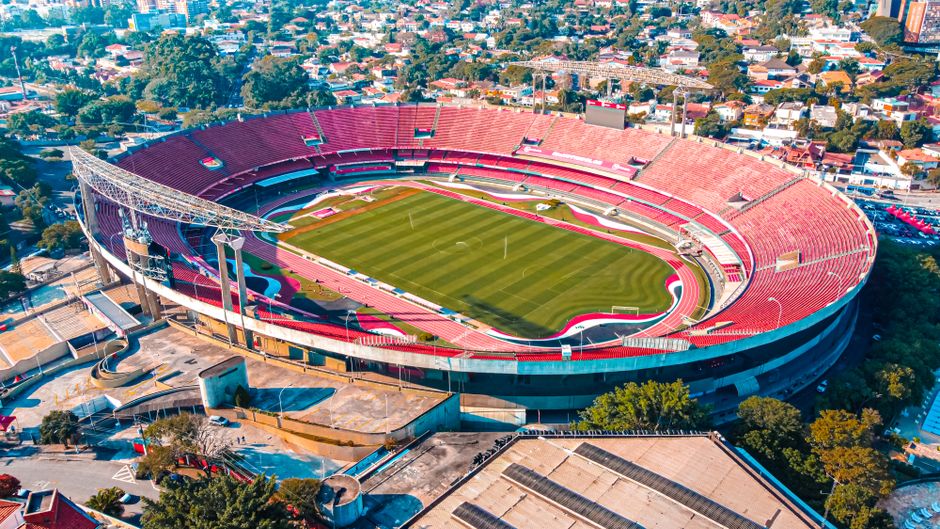
The Morumbi Stadium in the Morumbi neighbourhood has long been a temple of Brazilian football, yet its 72,798-capacity structure—built in 1960—now stands as a symbol of São Paulo's infrastructure paradox: a city that produces world-class talent but struggles to maintain world-class venues.
São Paulo FC's legendary ground underwent significant renovations ahead of Copa América competitions, with reports indicating investments exceeding R$200 million over the past decade. Yet conversations among club administrators reveal persistent challenges. The stadium's aging electrical systems, limited corporate hospitality suites compared to European counterparts, and capacity constraints during high-demand matches continue to strain operations.
Across the city, similar patterns emerge. Corinthians' Neo Química Arena in Itaquera, completed in 2012, initially represented a modernisation leap—the first Brazilian stadium built with private financing. Its 49,205 capacity and modern amenities attracted international attention. However, infrastructure experts note that maintenance costs have escalated, and the venue's technical specifications now lag behind contemporary European standards in areas like video technology and accessibility features.
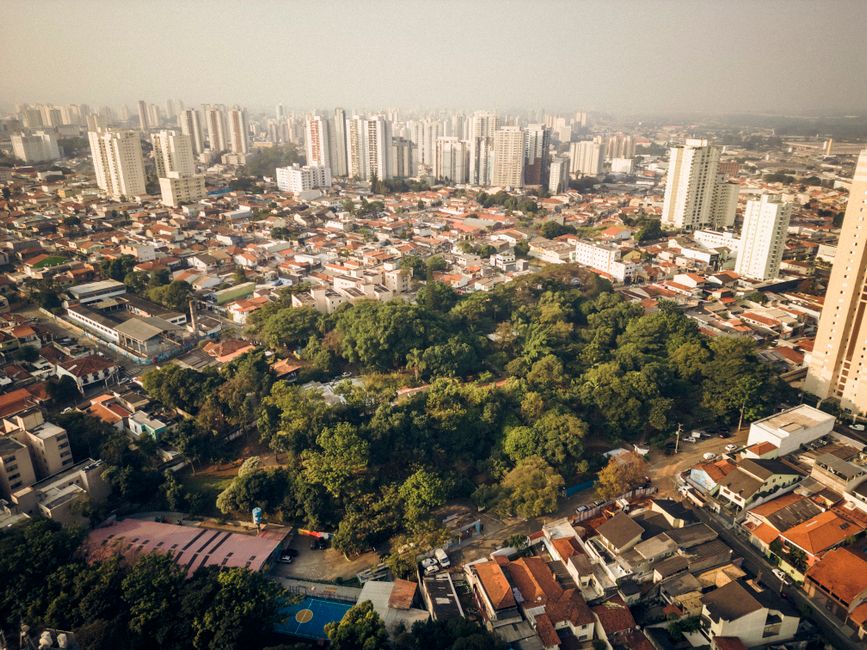
The real bottleneck, however, exists beyond match-day venues. Training facilities in neighbourhoods like Barra Funda and Santo Amaro reveal infrastructure gaps that directly impact player development. While top-tier clubs invest in high-performance centres, the broader ecosystem of grassroots facilities across São Paulo's 32 districts remains underfunded. A 2024 municipal audit identified that approximately 60 percent of neighbourhood football pitches lack adequate drainage systems or professional-grade surfaces.
Palmeiras' Allianz Parque in Perdizes, opened in 2014, showcases what comprehensive modernisation can achieve—its 43,713 capacity includes sustainable design elements and revenue-generating hospitality zones. Yet it remains an exception rather than a standard.
Municipal officials and club representatives acknowledge that São Paulo's global standing demands infrastructure parity with rival cities. The challenge involves navigating complex funding mechanisms: private investment favours high-profile venues, while grassroots facilities depend on municipal budgets stretched across competing priorities.
As South American competitions intensify and international scouts monitor Brazilian talent pipelines, facility quality increasingly determines not just match-day experience but athletic performance itself. For São Paulo—a city that birthed legendary players like Pelé and continues producing continental stars—the infrastructure question has become impossible to ignore.
This article was compiled by AI and screened before publishing. See our editorial standards.
How does this story make you feel?
Spread the word
About this article
Published by The Daily São Paulo
Daily brief
Free, in your inbox before 7am. Weekdays.
More in Sport