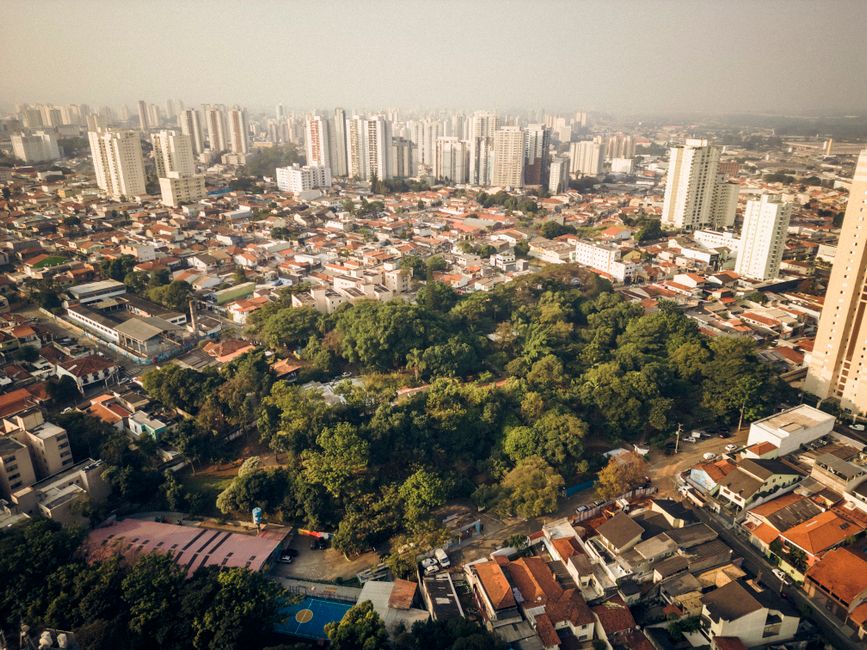
São Paulo's grassroots soccer movement transforms neighborhoods into talent pipelines.
In the neighbourhoods where professional scouts rarely venture, community organisers are building something bigger than trophies—they're building futures.
In the neighbourhoods where professional scouts rarely venture, community organisers are building something bigger than trophies—they're building futures.
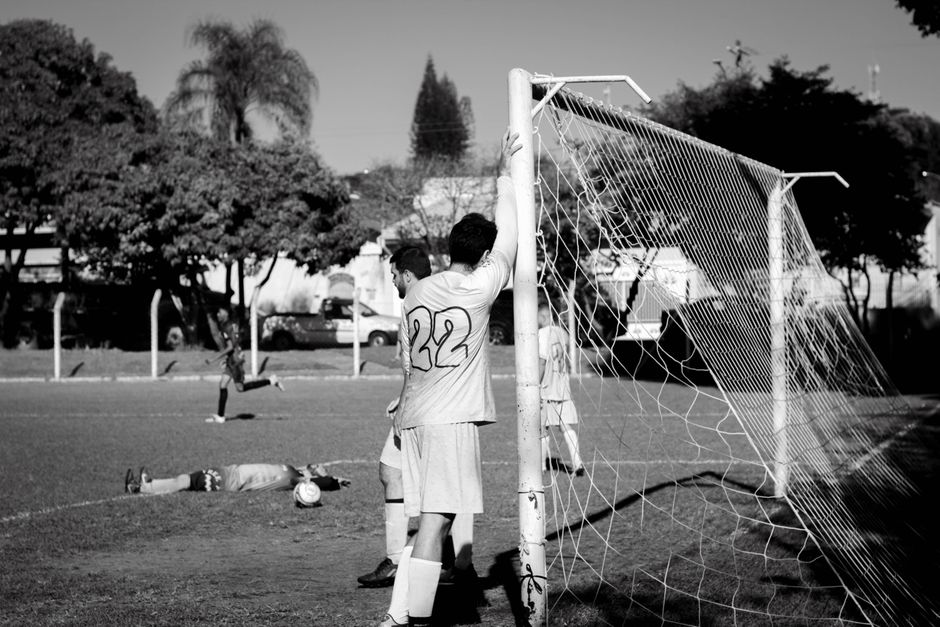
On a Tuesday evening in the Capão Redondo district, forty children in mismatched shirts converge on a small concrete pitch tucked between residential blocks on Rua Natalino José da Silva. The field, barely regulation size, has been resurfaced twice this year thanks to donations from local shopkeepers. There are no floodlights—matches end when daylight fades. Yet for many here, this is their only access to organised football.
This scene repeats across São Paulo's periphery, where a quiet revolution in community sport is reshaping how young people engage with the beautiful game. Unlike the professional academies in the south zone that charge monthly fees averaging R$600 to R$1,200, grassroots programmes operating in Itaquera, Vila Madalena's working-class edges, and across the eastern suburbs offer free or deeply subsidised participation.
The São Paulo Community Football Network, coordinating efforts across forty neighbourhood initiatives, reports that participation has grown 34 per cent since 2023. Most programmes operate on shoestring budgets—R$2,000 to R$5,000 monthly—sustained by local government grants, corporate sponsorships from neighbourhood businesses, and volunteer labour from retired coaches and parents.
What distinguishes these movements is their explicit focus beyond sport. Programmes in Guaianazes and Sapopemba integrate literacy support, mental health resources, and vocational training alongside football development. The model recognises that in districts where school attendance hovers around 78 per cent and youth unemployment exceeds regional averages, sport becomes a retention tool.
Marina Silva, coordinator of the Brasilândia Youth Initiative, notes that their graduates show measurably higher secondary school completion rates than peers without programme involvement. "We're not promising professional contracts," she emphasises. "We're promising structure, dignity, and opportunity."
The infrastructure challenge remains acute. Most grassroots programmes operate on borrowed or improvised pitches—parking lots, schoolyards, patches of public land. Only twelve of the forty networked initiatives have dedicated facilities. Yet resourcefulness compensates. Some groups have pioneered partnerships with municipal sports centres, negotiating evening access slots. Others have mobilised neighbourhood residents to clear and maintain informal spaces.
As São Paulo navigates its identity amid global economic pressures and domestic inequality, these grassroots football movements represent something quietly radical: the reclamation of sport as a public good rather than a commodity. In the periphery, where professional football feels distant, community organisers are proving that football's real power emerges not from stadiums, but from concrete pitches where anyone can play.
This article was compiled by AI and screened before publishing. See our editorial standards.
How does this story make you feel?
Spread the word
About this article
Published by The Daily São Paulo
Daily brief
Free, in your inbox before 7am. Weekdays.
More in Sport