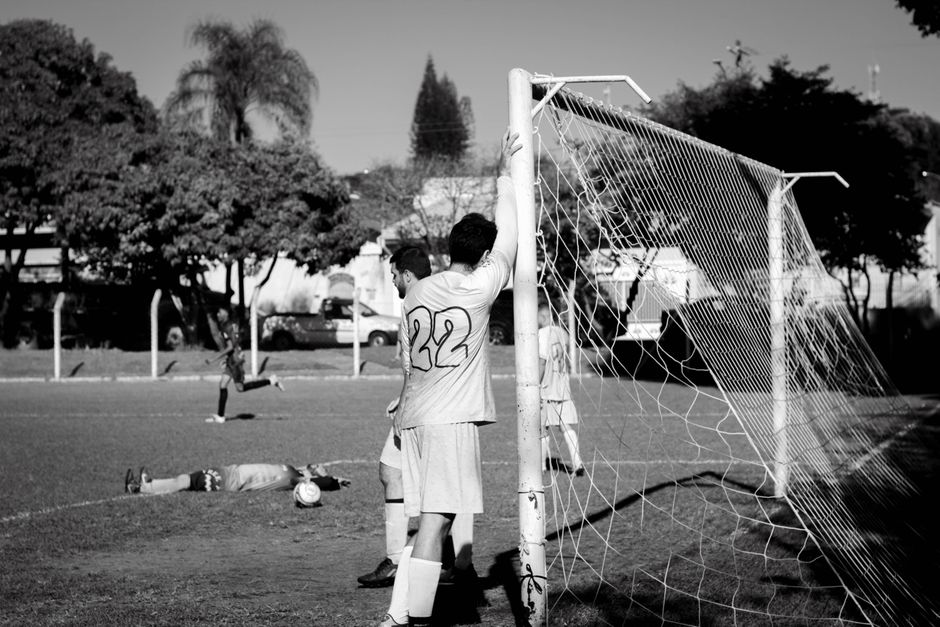
On Tuesday evenings, the futsal courts behind the Ginásio de Esportes Vereador José Storópoli in Tatuapé fill with the sound of squeaking sneakers and shouted instructions. It's where Bruno Silva, a 34-year-old factory supervisor, plays in the city's oldest ongoing amateur futsal league—a competition that has run continuously for eighteen years and now involves over 140 teams across São Paulo's eastern zones.
"We have guys here who work construction, guys who drive taxis, office workers," Silva explains between matches. "Sport isn't a luxury for us—it's how we stay sane, how we know our neighbours." The league costs around R$120 per player per season, a modest investment that speaks to the democratic nature of grassroots sport in the city.
This story repeats across São Paulo's diverse landscape. In the Vila Madalena neighbourhood, the Associação Atlética Comunitária da Vila Madalena has operated for forty-three years, running volleyball, basketball, and futsal programmes that currently reach 800 active members. On the opposite end, in Itaquera near the Estádio Cicero Pompeu de Toledo, the Cooperativa Desportiva da Zona Leste manages six separate amateur leagues serving predominantly low-income families.
The movement reflects broader trends. According to data from the São Paulo Sports Secretariat, registered amateur sports clubs in the city grew by 28 percent between 2020 and 2026, with grassroots futsal and volleyball leading participation. Investment in neighbourhood facilities—from court renovations on Rua Girassol in Vila Mariana to new basketball hoops installed on Avenida Guarapiranga in Santo Amaro—has catalysed this expansion.
What distinguishes São Paulo's amateur sports ecosystem is its neighbourhood specificity. Each zone operates semi-independently: the Zona Sul favours volleyball and basketball, traditional hubs for working-class athletic culture; the Zona Oeste emphasises futsal and football clubs; the Zona Norte has developed robust badminton and table tennis circuits. These aren't corporate initiatives—they're sustained by volunteer coordinators, local bar owners who sponsor uniforms, and families who return year after year.
The financial barriers remain real. Many facilities struggle with maintenance costs; participation fees, though low by global standards, can exclude the poorest families. Yet the movement persists, driven by something beyond economics: a fierce commitment to collective identity and mutual care.
As neighbourhoods like Sapopemba and Guaianases experience rapid demographic shifts, these clubs and leagues function as anchors—places where the city's rhythm is determined not by headlines or markets, but by the simple, essential act of people playing together.
This article was compiled by AI from the sources linked above and screened before publishing. See our editorial standards.