Grassroots Sports Leagues São Paulo: Community Impact
Discover how São Paulo's amateur sports leagues in neighborhoods like Brasilândia and Zona Leste are building community through football, basketball, and futsal.
Discover how São Paulo's amateur sports leagues in neighborhoods like Brasilândia and Zona Leste are building community through football, basketball, and futsal.

Every Tuesday and Thursday evening, the courts at Parque da Juventude in Zona Leste come alive with the percussion of basketballs and the calls of referees. What outsiders might see as casual recreational play is, in fact, the beating heart of São Paulo's grassroots sports movement—a network of amateur leagues and community clubs that has quietly reshaped how thousands of paulistas engage with sport beyond the professional realm.
The numbers tell a compelling story. According to the São Paulo Sports Secretary, approximately 180,000 people participate annually in organised amateur leagues across football, basketball, futsal, and volleyball. Yet the real impact extends far beyond statistics. In neighbourhoods like Brasilândia and Ermelino Matarazzo, where municipal investment in leisure infrastructure has historically lagged, community-run clubs have become anchors of social stability and youth engagement.
Take the network of futsal courts operating throughout the Zona Oeste. Many operate on a modest model: a 120-real-per-hour rental fee allows local organisers to host weekly tournaments with entry fees between 15 and 25 reais per player. These aren't formal institutions; they're collectives born from necessity and maintained through volunteer commitment. Clubs like those operating out of spaces near Avenida Guido Caloi have managed waiting lists of hundreds, evidence of insatiable demand for affordable, accessible sport.
The movement gained momentum in the post-2014 period, as community leaders recognised that formal sporting infrastructure couldn't meet demand. Mothers organising weekend football tournaments in Vila Madalena, church groups running basketball clinics in Sapopemba, neighbourhood associations converting unused lots into volleyball courts—these initiatives emerged organically, driven by local passion rather than municipal directive.
What distinguishes this movement is its democratic character. Unlike professional sport, which concentrates resources and attention, grassroots leagues operate on principles of collective benefit. Revenue from tournaments often funds equipment for youth programmes or maintains facilities shared across multiple clubs. The cultural impact is equally significant: in a city fragmented by geography and inequality, amateur leagues create pockets of genuine integration.
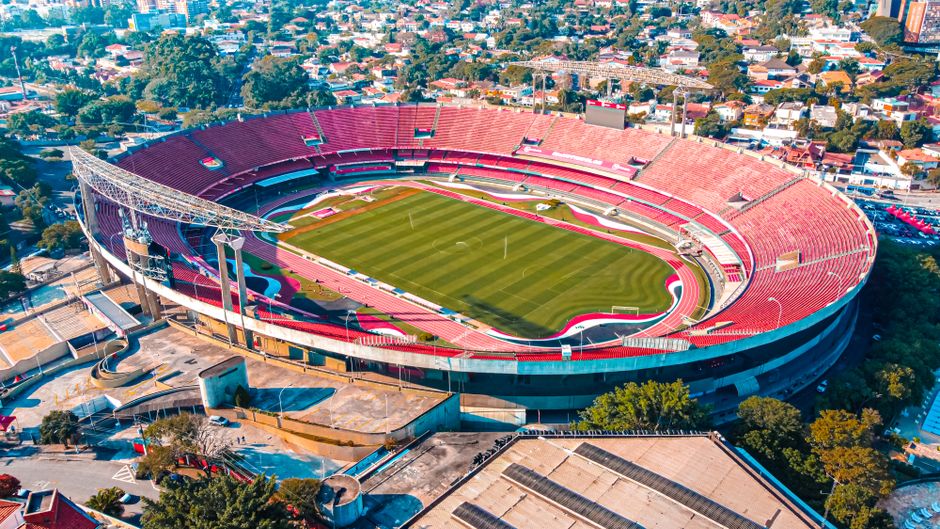
As of 2026, the São Paulo Amateur Sports Federation registers over 420 active clubs across the city's administrative regions. This growth reflects something profound—a community-driven conviction that sport belongs to everyone, not merely spectators of the elite game. While Morumbi and Allianz Parque command international attention, it is in the humble courts and fields of ordinary neighbourhoods where São Paulo's deepest sporting culture actually takes root.
This article was compiled by AI from the sources linked above and screened before publishing. See our editorial standards.
How does this story make you feel?
Spread the word
About this article
Published by The Daily São Paulo
Daily brief
Free, in your inbox before 7am. Weekdays.
More in Sport