From Spectator to Insider: Your Guide to Getting Involved in São Paulo's Stadium Scene
Whether you want to volunteer, work, or join supporter groups, here's what you need to know to become part of São Paulo's thriving sporting venues ecosystem.
Whether you want to volunteer, work, or join supporter groups, here's what you need to know to become part of São Paulo's thriving sporting venues ecosystem.
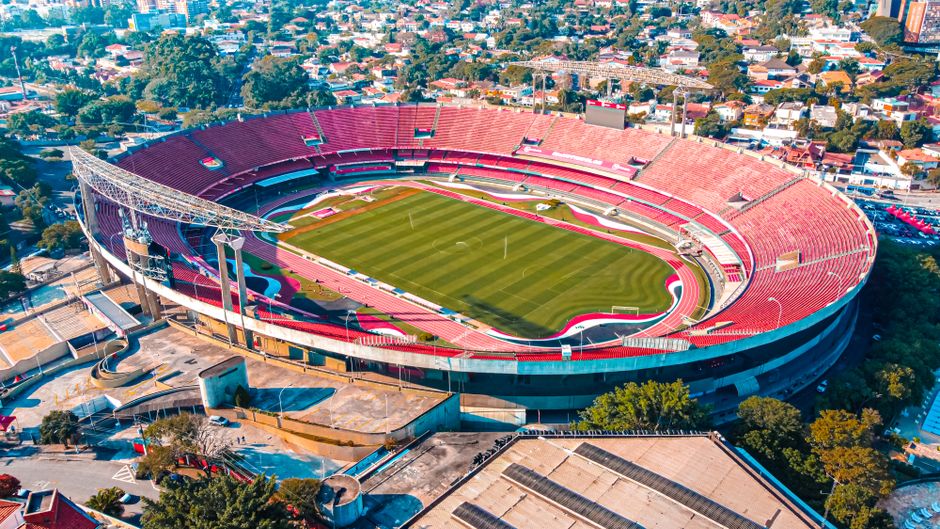
São Paulo's sporting landscape is one of the world's most dynamic, with iconic venues from the Estádio do Morumbi in the west zone to the Arena da Juventude in the south. But for many locals, the experience stops at buying a ticket. Getting involved behind the scenes—or within supporter communities—opens entirely new doors.
The most accessible entry point is volunteering. The Estádio Municipal Paulo Machado de Carvalho in Imirim, home to São Paulo FC's training facilities, regularly recruits volunteers for match days and events. You'll typically need to be at least 18, have a clean record, and commit to orientation sessions. Similar opportunities exist at the newer Allianz Parque in Água Branca, which hosts Palmeiras matches and concerts year-round. Contact their volunteer coordinators directly through official club websites—Corinthians' Neo Química Arena in Itaquera also maintains an active volunteer program.
For those seeking paid positions, stadium operations employ hundreds across ticketing, security, food services, and hospitality roles. Average hourly wages range from R$ 25-35 for entry-level positions, with match days offering premium shifts. The São Paulo Tourism Board's employment hub lists seasonal openings, particularly during the Campeonato Paulista season (January-April) and Copa Libertadores fixtures.
Supporter culture remains the heartbeat of São Paulo football. Organized supporter groups—from SCCP's Camisa 12 to São Paulo FC's Tricolor Independente—welcome new members. These aren't exclusive clubs; you attend meetings, usually held in neighbourhoods like Vila Mariana or Brás, pay modest monthly fees (typically R$ 30-50), and participate in match preparations, choreography, and community events. Many groups operate social initiatives, from youth programs in peripheral neighborhoods to food drives.
If you're interested in sports management or event coordination, the Associação Paulista de Museus and various universities offer courses in sports administration. The Universidade de São Paulo's School of Physical Education runs accessible continuing education programs focused on stadium management and fan engagement.
Stadium tourism is another underexplored avenue. Venues like the Estádio do Morumbi offer guided tours (around R$ 40-60 per person) where you can learn operational mechanics while earning commission as a tour guide. Training typically takes two weeks.
Start by identifying which venue resonates with you—whether it's your club's home or a neutral space hosting international events. Visit their official social media channels or the club's administrative offices in central São Paulo. Be persistent; many opportunities go unadvertised to the general public. The São Paulo sporting community thrives on participation, not just spectatorship.
This article was compiled by AI from the sources linked above and screened before publishing. See our editorial standards.
How does this story make you feel?
Spread the word
About this article
Published by The Daily São Paulo
Daily brief
Free, in your inbox before 7am. Weekdays.
More in Sport