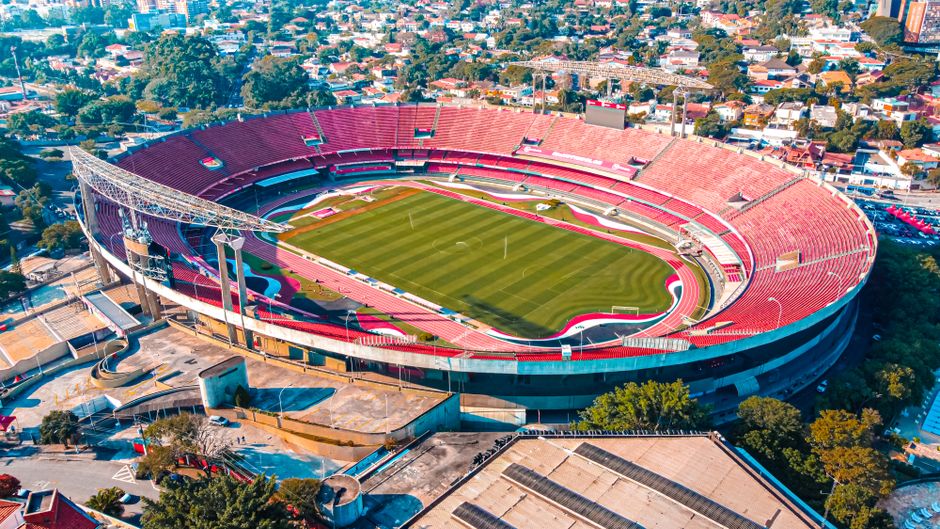
The Estádio do Morumbi may have hosted some of São Paulo FC's most storied moments, but its turnstiles are telling a sobering tale. Average attendance figures for the 2026 season hover around 38,000—a 22 percent drop from five years ago. Yet step away from the cathedral-like grandstands and venture into the neighbourhoods of Pinheiros, Vila Madalena, and Consolação, and a completely different picture emerges: one of a city obsessed with democratised, accessible fitness.
Recent data from São Paulo's municipal sports secretariat reveals that participation in structured recreational activities through public facilities has surged 34 percent since 2023. The Parque da Juventude in Zona Norte now hosts over 8,000 weekly users across its various programmes—from futsal courts to outdoor CrossFit areas. Similarly, the renovated sports complex on Avenida Paulista reports booking all available time slots for group fitness classes within hours of their weekly release.
What explains this paradox? Cost is the obvious factor. A season ticket to Corinthians or Santos demands significant investment, while community sports centres charge nominal fees—often under R$50 monthly. But the shift runs deeper. Participation data from boutique fitness studios clustered around Rua Oscar Freire and Jardins neighbourhoods shows that personal training and small-group sessions have become the new status symbol for São Paulo's affluent classes, replacing the passive stadium experience.
The numbers are striking: functional training facilities across the city report a 41 percent increase in active memberships year-on-year, with the average member attending 4.2 sessions weekly. Women now comprise 52 percent of participants in organised recreational sports—a demographic shift that traditional football stadiums have struggled to capture.
Municipal pools in Tatuapé and Ipiranga operate at near-capacity during evening hours, serving communities for whom gym membership remains aspirational. Meanwhile, the proliferation of running clubs—parkrun events in Ibirapuera attract 1,200 participants every Saturday morning—suggests Paulistas are reclaiming public space for fitness on their own terms.
This isn't merely about recreation trends. It reflects a fundamental shift in how São Paulo's diverse population—from working-class residents in peripheral zones to young professionals in Vila Mariana—conceptualises physical activity. The stadium may remain iconic, but the real pulse of local fitness culture now beats in converted warehouses, public parks, and neighbourhood centres where participation is measured not in thousands watching, but in thousands doing.
This article was compiled by AI from the sources linked above and screened before publishing. See our editorial standards.