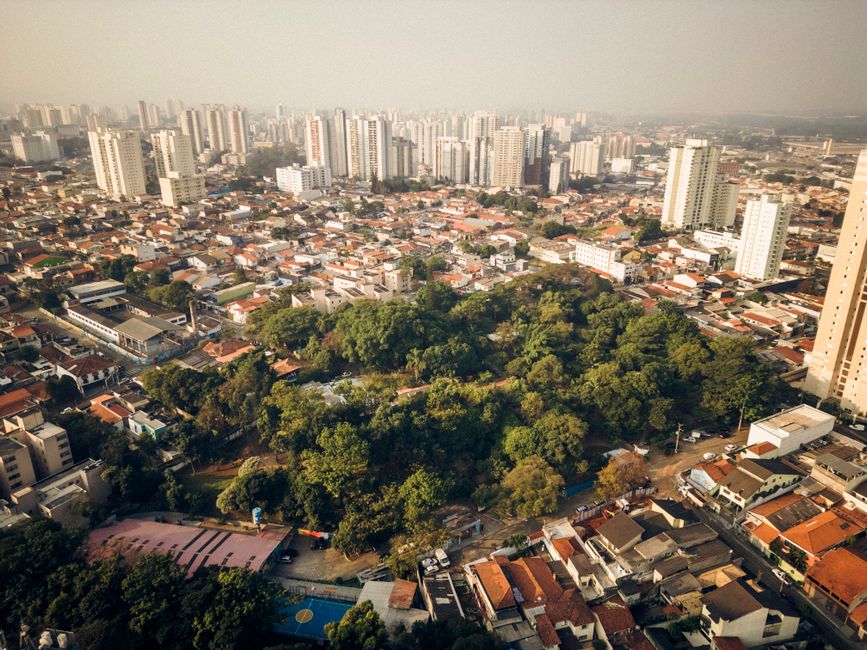
On a Saturday morning in the Jardim Ângela neighbourhood, the largest and poorest district in São Paulo's southern zone, dozens of children gather on a concrete pitch wedged between two apartment blocks on Avenida Interlagos. There are no bleachers, no turnstiles, no corporate sponsors—just a group of volunteers, a collection of worn footballs, and dreams that stretch far beyond this modest plot of land.
This is the reality of grassroots football in São Paulo, where community-led movements have quietly become the lifeblood of the city's sporting culture. According to data from the Secretaria Municipal de Esportes, more than 47,000 young people participate in informal football initiatives across São Paulo's 96 districts, yet fewer than 8 per cent have access to official academy training. The gap has created fertile ground for neighbourhood organisations to step in.
In the Vila Mariana and Mooca districts, former players and local activists have transformed abandoned industrial spaces into training facilities. The Rede de Esportes Comunitários, a non-profit network operating across six zones, now runs programmes in 34 locations, charging families between 30 and 50 reais per month—a fraction of what commercial academies demand. Their mission is straightforward: football as social mobility, not privilege.
The impact extends beyond recruitment. Community programmes have become anchors for mental health support, educational assistance, and family counselling. In Sapopemba, one initiative paired football training with literacy programmes, helping 156 young players improve their school attendance rates by an average of 23 per cent last year.
Yet these organisations operate on threadbare budgets. Most rely on volunteer coaches—often retired players or local heroes—who donate hours weekly without compensation. Equipment donations from larger clubs are sporadic. Infrastructure remains precarious; many pitches lack proper drainage, forcing cancellations during São Paulo's rainy season from November through March.
What distinguishes this movement is its philosophy: football not as an escape from reality, but as a foundation for building it. Young players learn discipline, teamwork, and resilience while maintaining family ties and community roots. Success isn't measured solely in goals scored but in school enrolment numbers, employment placements, and neighbourhood stability.
As professional football in São Paulo commands ever-larger budgets and media attention, these grassroots initiatives operate almost invisibly, yet serve exponentially more young people. They represent football's true democratic promise—a sport that belongs to everyone, regardless of postcode or bank balance. In the neighbourhoods where opportunity is scarce, these community movements are proving that the pitch remains the great leveller.
This article was compiled by AI from the sources linked above and screened before publishing. See our editorial standards.