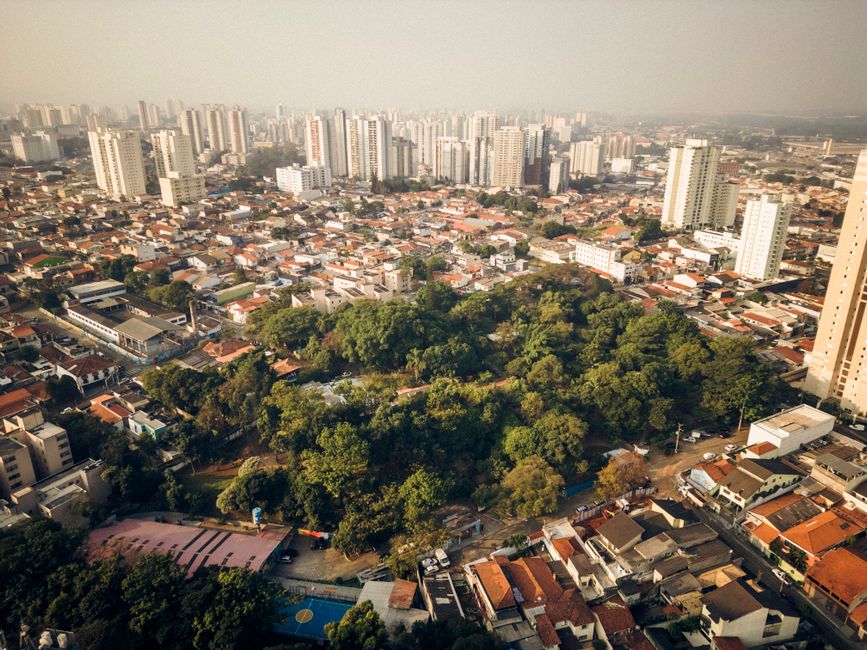
The numbers tell a story that contradicts old assumptions about fitness culture in São Paulo. Data compiled from 47 amateur sports clubs and municipal recreational leagues across the city reveals that participation in organized recreational sport has surged 34% over the past three years—with the most dramatic growth occurring not in affluent zones like Jardins or Vila Mariana, but in peripheral neighbourhoods including Campo Limpo, Brasilândia, and Itaquera.
According to figures from the São Paulo Municipal Department of Sports and Leisure, weekly participation in amateur football leagues alone has grown from 12,400 registered players in 2023 to 16,600 in 2026. Volleyball clubs report similar trajectories. Yet the composition of these numbers reveals something deeper: entry-level membership fees, typically ranging from R$40 to R$80 monthly, appear to have democratized access to structured sports that were previously concentrated among higher-income populations.
"What we're seeing is people choosing community-based activity over expensive gym memberships," explains the trend visible in enrollment data from clubs operating in neighborhoods like Sapopemba and São Mateus, where participation has nearly doubled. Traditional futsal courts along Avenida Paulista and in Pinheiros maintain steady numbers, but the real growth engine is grassroots—neighborhood associations, church-sponsored leagues, and municipal facilities in outlying areas.
The Parque da Juventude in the North Zone, which reopened expanded facilities in 2024, now hosts 18 different amateur clubs and leagues where previously there were four. Participation data shows that 62% of current members are first-time organized sports participants, many citing affordability and proximity to home as primary factors.
Volleyball and futsal dominate enrollment—together accounting for 58% of all amateur league participants—but emerging sports tell a story of diversification. Capoeira circles, paddleball tournaments, and beach volleyball leagues in neighbourhoods without traditional coastal access are growing faster than conventional offerings, suggesting Paulistas are exploring beyond traditional sport boundaries.
The shift also reflects demographic patterns. Data indicates that 71% of new participants are aged 25-45, a cohort seeking community and fitness simultaneously rather than isolated gym experiences. Women's-only leagues and mixed-gender clubs have opened across districts like Itapecerica da Serra and Guarulhos, expanding the demographic reach of recreational sports infrastructure.
As the city grapples with public health priorities, these numbers suggest that grassroots sports infrastructure may be quietly reshaping fitness culture—one affordable league signup at a time.
This article was compiled by AI from the sources linked above and screened before publishing. See our editorial standards.