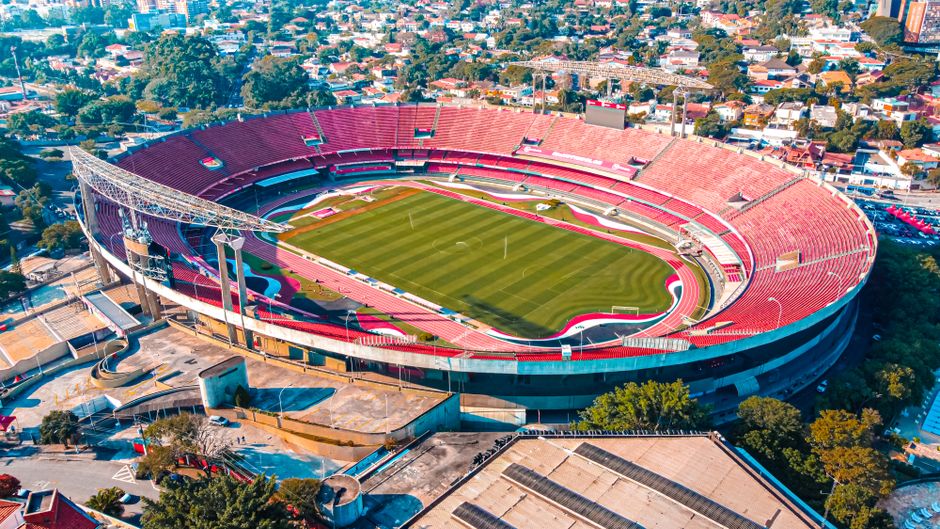
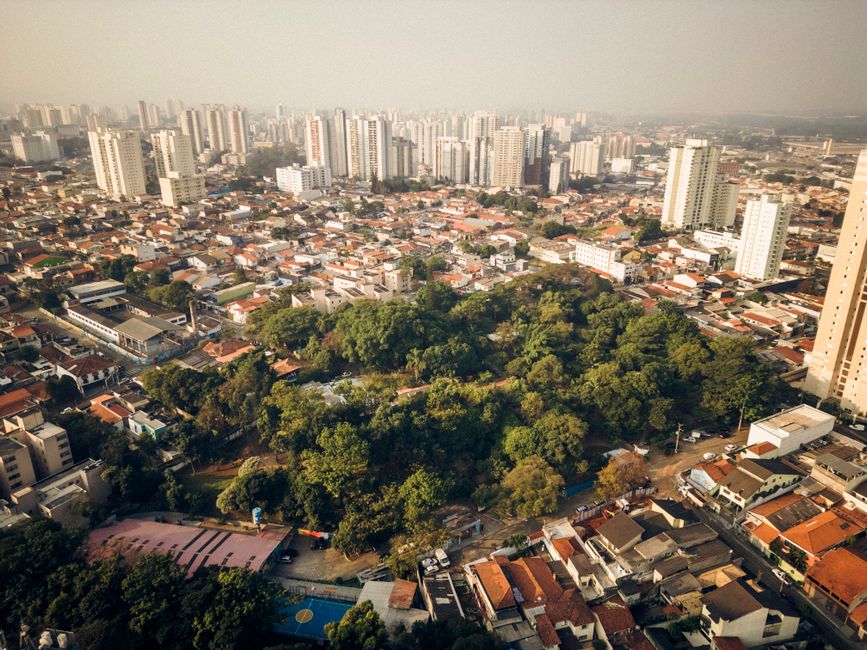
The final stretch of São Paulo's 2026 youth sport calendar is upon us, and the intensity reverberating through the city's grassroots clubs has reached fever pitch. With July marking the climax of the Campeonato Paulista de Base in football, futsal, volleyball and handball, hundreds of young athletes across neighbourhoods from Vila Madalena to São Miguel Paulista are preparing for matches that could define their seasons and reshape São Paulo's competitive landscape.
The Federação Paulista de Futebol's youth divisions have seen unprecedented participation this year. Across the under-14, under-16 and under-20 categories, over 2,800 players from 147 clubs are competing—a 12 percent increase from 2025. What's particularly striking is the distribution: clubs based in peripheral zones now account for nearly 40 percent of semifinal spots, challenging the traditional dominance of clubs concentrated in the Zona Sul and West Side.
Venues like the Estádio Municipal do Canindé, the Centro de Treinamento da Paralímpica in the Pari neighbourhood, and smaller pitches tucked behind community centres in Itaquera and Sapopemba have become battlegrounds where upstart academies are proving that investment and infrastructure matter less than hunger and organization. Registration fees averaging R$280 per month have kept many families committed, even as economic pressures mount across the state.
The futsal finals, scheduled for July 12-19 at the Ginásio do Imigrantes near the ABC region, will showcase 64 youth teams. The handball championships, held at Centro de Treinamento Paralímpico facilities, have drawn record viewership on local streaming platforms, with average match engagement up 34 percent year-on-year.
Volleyball academies are particularly animated. The under-17 women's category features clubs from neighbourhoods rarely seen in championship rounds: Guaianazes, Itaim Paulista, and even smaller operations in Itapecerica da Serra. These clubs have leveraged municipal sport programmes and volunteer coaching to bridge gaps that once seemed insurmountable.
The psychological dimension cannot be overstated. For many young players—particularly those from working-class families across the periphery—these finals represent pathways to university scholarships, professional contracts, and genuine social mobility. Success in July could mean scouting attention from Serie A academies or, increasingly, opportunities abroad.
As the calendar narrows toward decisive matches, one reality has become clear: São Paulo's youth sport ecosystem is more democratic and competitive than ever. The old certainties have been disrupted, and that's precisely what makes these finals so compelling.
This article was compiled by AI from the sources linked above and screened before publishing. See our editorial standards.