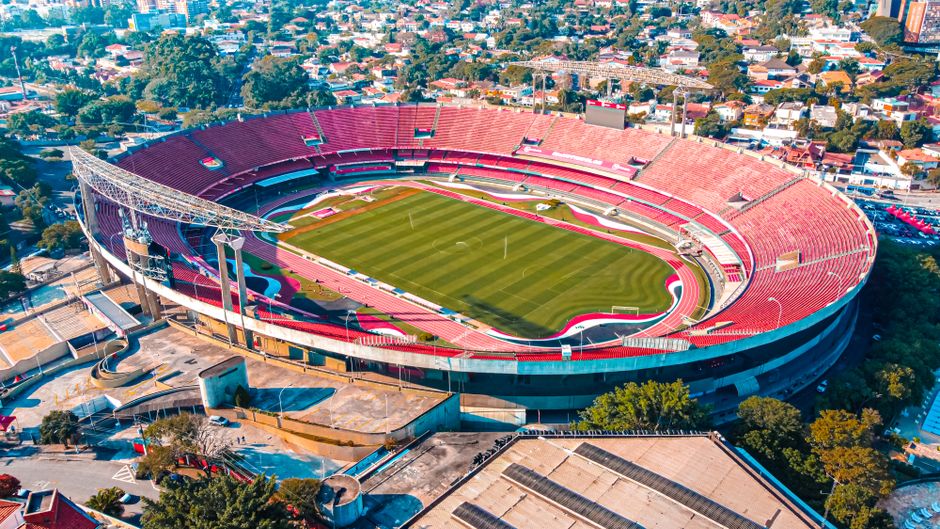
While Corinthians and São Paulo FC dominate headlines at the Estádio do Morumbi and the Neo Química Arena, a quieter revolution is unfolding across São Paulo's periphery, where neighbourhood clubs are rewriting the script on what football means to working communities.
In the Zona Leste, clubs like EC São Cristóvão have expanded their youth academies to serve over 400 young players aged 8 to 17, many from families earning less than three minimum wages monthly. The club's facility near Avenida Jacu-Pêssego now operates five days a week, with training sessions costing just R$80 monthly—a fraction of private academy fees that often exceed R$500. "We're not producing players just for professional contracts," says a club director familiar with their model. "We're producing citizens with discipline, respect, and opportunity."
The impact ripples beyond the pitch. In Vila Madalena, Clube Atlético Juventus has partnered with local schools to integrate football into physical education curricula, reaching approximately 2,000 students across seven municipal schools. Their community centre at Rua Ferreira de Araújo now hosts weekend matches that draw families from surrounding neighbourhoods, creating a gathering space in an increasingly fragmented urban landscape.
Data from the São Paulo Football Federation reveals that neighbourhood clubs have grown membership by 23% over the past two years, even as economic pressures squeeze household budgets. This growth reflects a deliberate shift in strategy: clubs are investing in grassroots development and community programmes rather than chasing top-flight promotion.
The numbers tell a compelling story. Approximately 12,000 young players currently develop through non-professional club systems across greater São Paulo—roughly equivalent to the combined youth rosters of the major clubs. Many come from families where football represents not just entertainment, but a potential pathway to economic stability.
In the Itaquera neighbourhood, near the Estádio Cicero Pompeu de Toledo, local clubs have begun sharing facilities with municipal authorities, reducing operational costs and increasing access. Weekend matches now draw crowds of 500 to 1,500 spectators, generating modest but meaningful revenue for clubs operating on shoestring budgets.
These clubs rarely make national news. They won't challenge for state titles. But they're answering a deeper need: proving that football's greatest value lies not in trophies, but in transformation. As São Paulo grapples with urban inequality and fractured social cohesion, these neighbourhood teams are demonstrating that the beautiful game remains beautifully democratic.
This article was compiled by AI from the sources linked above and screened before publishing. See our editorial standards.