São Paulo's Young Artists Reshape Theatre and Film Scene
New generation of creators in Brás and Vila Madalena challenge conventions, redefining Brazil's cultural capital.
New generation of creators in Brás and Vila Madalena challenge conventions, redefining Brazil's cultural capital.
Walk through the narrow corridors of SESC Poméia in Perdizes on any given Wednesday evening, and you'll encounter São Paulo's future of performing arts. Here, among converted industrial spaces and experimental black boxes, emerging choreographers, filmmakers, and theatre directors are crafting work that speaks directly to a generation raised on digital storytelling and social urgency.
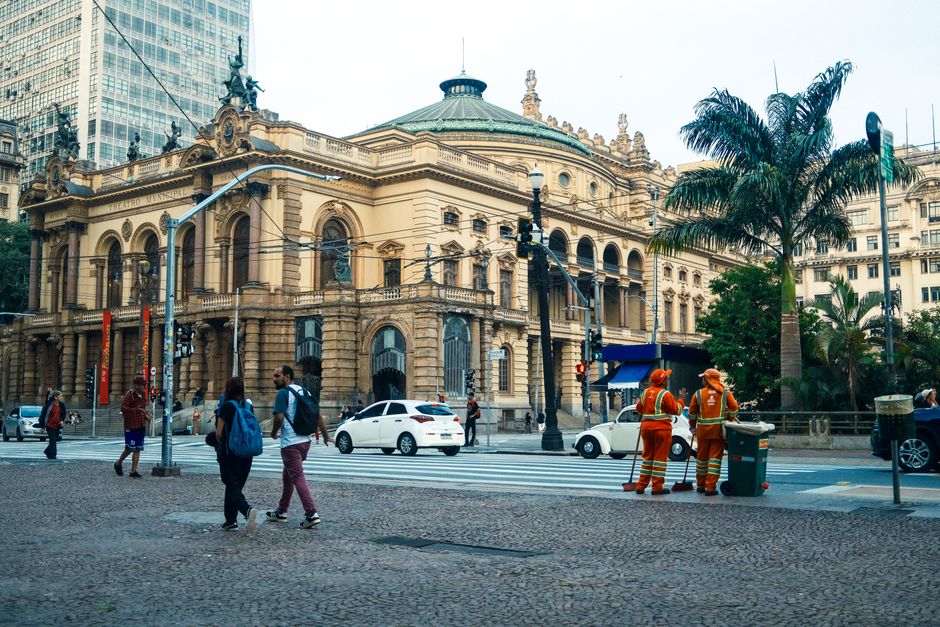
This shift reflects a broader transformation rippling through São Paulo's cultural ecosystem. While the Theatro Municipal on Avenida São Bento remains the establishment's traditional home, the real energy has migrated to venues like Ocupação Benedito Calixto in Pinheiros and the growing cluster of artist collectives in the Brás neighbourhood—where warehouse conversions and street-level galleries have become incubators for raw, unpolished talent.
Recent data from the Secretaria Municipal de Cultura indicates that venues beyond the traditional circuit now host over 40% of theatre productions in the city, up from 28% five years ago. Ticket prices reflect this democratization: while productions at major houses command R$80–150 per seat, emerging artist spaces average R$30–50, making experimental work accessible beyond São Paulo's wealthiest postcodes.
What distinguishes this wave is its thematic preoccupation. Unlike previous generations who often exported their sensibilities abroad, these artists are mining São Paulo itself—the inequality visible from Imigrantes highway, the humidity and noise of the peripheral neighbourhoods, the linguistic blend of migrant communities. Film collectives operating from cramped studios in the República district are producing shorts that bypass traditional festival circuits entirely, premiering instead on community platforms and social media.
Theatre directors in their late twenties and early thirties are similarly reinventing form. They're abandoning linear narratives for fragmented, multimedia structures; inviting audiences to move through spaces rather than sit passively; incorporating live music, projection, and interactive elements that would have seemed chaotic a decade ago.
The challenge ahead is sustainable infrastructure. Many of these artists piece together precarious income through teaching, freelance production work, and occasional grant funding from foundations like Itaú Cultural. Yet the hunger is unmistakable. Every weekend brings new micro-productions, pop-up performances, and collaborative experiments across the sprawling metropolis.
São Paulo's cultural moment has always belonged to those willing to stake claim to unconventional spaces. This generation simply refuses to wait for permission—they're building stages, screens, and audiences of their own.
This article was compiled by AI from the sources linked above and screened before publishing. See our editorial standards.
How does this story make you feel?
Spread the word
About this article
Published by The Daily São Paulo
Daily brief
Free, in your inbox before 7am. Weekdays.
More in culture