São Paulo's Gallery Scene Rivals New York in 30 Years
Vila Madalena's artist collectives transformed into a global cultural powerhouse, reshaping Brazil's art world.
Vila Madalena's artist collectives transformed into a global cultural powerhouse, reshaping Brazil's art world.
In 1994, when the Real Plan stabilized Brazil's currency, few imagined that São Paulo's scruffy bohemian quarters would become magnets for international collectors and institutions. Yet today, the city hosts over 140 registered art galleries, with annual foot traffic exceeding 8 million visitors across major institutions—a trajectory that mirrors the city's own reinvention from financial hub to creative capital.
The transformation began modestly in Vila Madalena and Vila Mariana during the 1990s, when artists escaping expensive Rio de Janeiro discovered cheap studio space in converted warehouses. Galeria Fortes Vilaça, established in 1997 on Rua Bandeira, became the archetypal model: intimate, artist-focused, defiantly independent. These weren't pristine white-cube galleries but lived-in spaces where vernissages sprawled into late-night conversations and experimental performances.
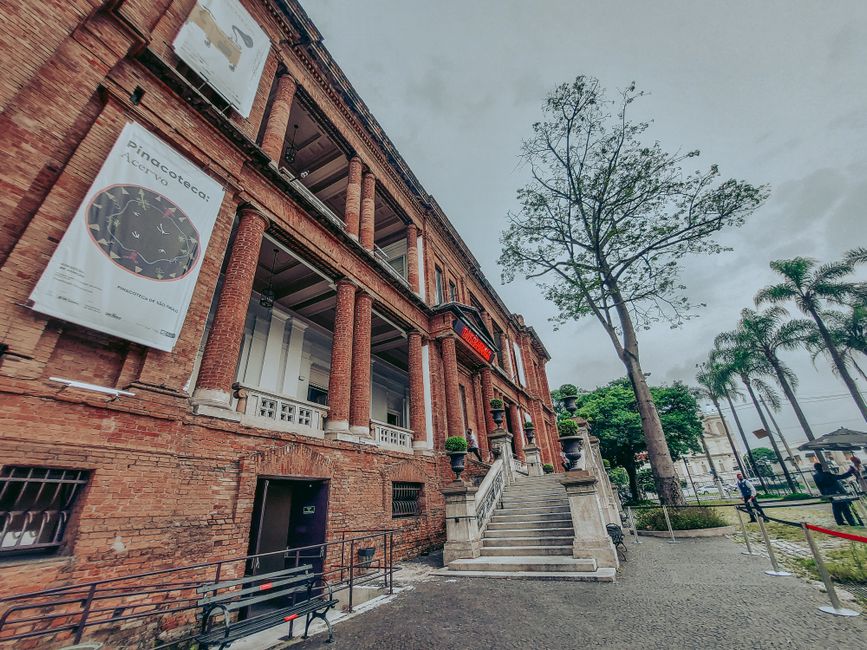
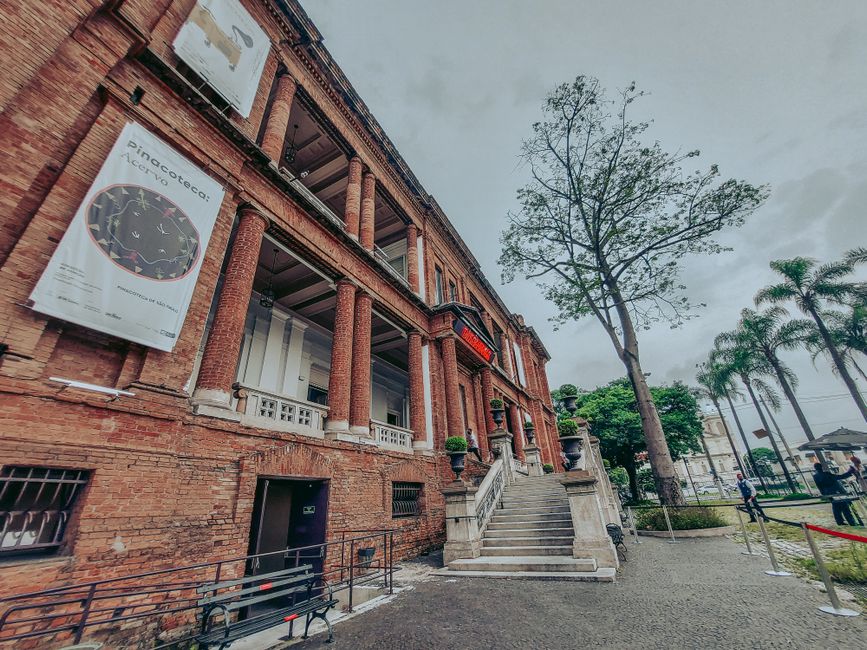
By the early 2000s, the landscape had stratified. The Pinheiros neighbourhood emerged as the epicentre, with galleries clustering along Rua Madalena and surrounding streets. The 2006 opening of the Pinacoteca do Estado's new wing—adding 8,000 square metres to the historic 1905 building in Luz—signalled institutional ambition. SESC Pompéia, the sprawling modernist cultural complex designed by Lina Bo Bardi, began hosting increasingly ambitious contemporary exhibitions.
The 2010s brought consolidation and internationalization. Major galleries expanded: Galeria Nara Roesler opened a second space in New York in 2013; Galeria Camargo Vilaça established itself as a heavyweight for established artists. Meanwhile, MASP—the Museum of Art of São Paulo, with its iconic suspended structure on Avenida Paulista—underwent significant renovation, reopening in 2015 with renewed curatorial ambition.
Today's ecosystem is remarkably diverse. The commercial corridor around Rua Madalena houses 40-plus galleries ranging from intimate 50-square-metre spaces to sprawling 500-square-metre operations. Entry-level gallery visits typically cost nothing; special exhibitions at major museums average R$40-60 (approximately US$8-12). Young galleries in Bom Retiro and Brás continue the counter-cultural tradition, while mega-galleries in Zona Cerealista cater to serious collectors.
What distinguishes São Paulo's scene is its commitment to contemporary Brazilian art—roughly 60-70 percent of exhibited work remains locally sourced—alongside aggressive international programming. This balance prevents the cultural homogenization that has diminished some global art capitals. As the city celebrates its 472nd anniversary this month, its galleries and museums represent not nostalgia but ongoing reinvention: spaces where Brazil's artistic future continues being written.
This article was compiled by AI and screened before publishing. See our editorial standards.
How does this story make you feel?
Spread the word
About this article
Published by The Daily São Paulo
Daily brief
Free, in your inbox before 7am. Weekdays.
More in culture