São Paulo's Theatre and Film Scene Reshapes Brazilian Culture
From warehouse theatres to packed cinemas, the city's performing arts ecosystem is becoming the centre of Brazilian cultural identity.
From warehouse theatres to packed cinemas, the city's performing arts ecosystem is becoming the centre of Brazilian cultural identity.
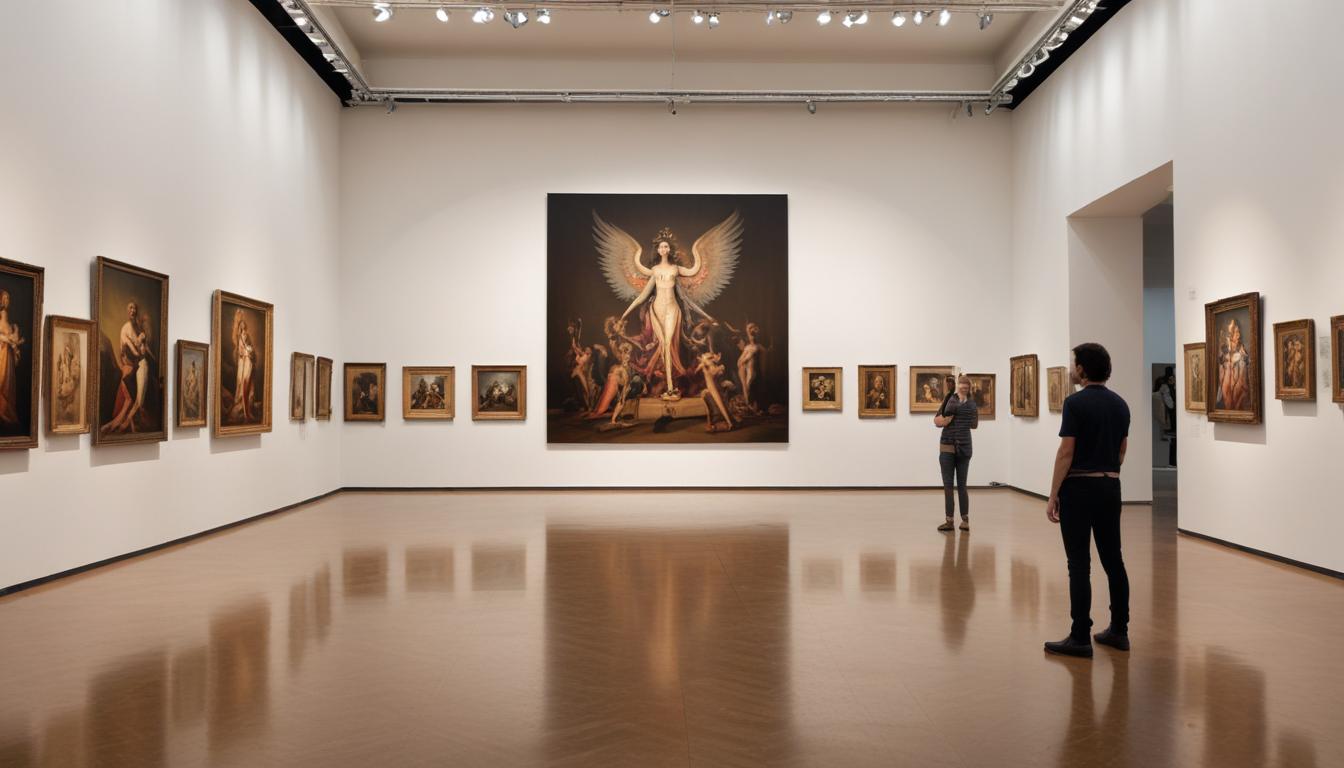
Walk down Rua Augusta on any Thursday evening and you'll witness something that has become unmistakably Paulista: a city that refuses to choose between cinema and theatre, between experimental work and commercial appeal. The proliferation of independent theatres, art-house cinemas, and performance spaces across São Paulo's neighbourhoods has quietly transformed how the city sees itself—not as a mere economic powerhouse, but as a creative crucible where Brazilian identity is being actively shaped and contested on stage and screen.
The numbers tell part of the story. São Paulo now hosts more than 120 active theatre venues, from the historic Teatro Municipal to intimate black-box spaces in Vila Mariana and Consolação. The Mostra de Cinema de São Paulo, celebrating its 50th anniversary this decade, draws over 500,000 attendees annually, rivalling major European festivals. Yet these statistics barely capture what's happening in neighbourhoods like Bom Retiro and the 25 de Março district, where low-cost studio theatres have emerged as incubators for work exploring immigration, labour, and urban transformation—themes that define contemporary Paulista life.
This cultural shift reflects something deeper. For decades, Rio de Janeiro dominated the national cultural narrative. São Paulo was the city that worked. Today, the narrative has inverted. A thriving circuit of experimental film, contemporary dance, and immersive theatre has positioned São Paulo as the intellectual and creative capital—a place where artists explore what it means to be Brazilian in an age of political fragmentation and social inequality.
The economic model matters too. While ticket prices range from R$30 to R$80 for mainstream productions, the proliferation of pay-what-you-wish performances and subsidised seats at publicly funded venues ensures cultural participation isn't restricted to the wealthy. The Teatro Sérgio Cardoso and various SESC venues in neighbourhoods like Tatuapé and Pinheiros have democratised access, making high-quality performing arts available across class lines.
What emerges from this ecosystem is a distinctly Paulista cultural identity: cosmopolitan yet rooted in local concerns, experimental yet commercially viable, Portuguese-language yet globally engaged. When filmmakers like those showcased at SESC Pompéia's documentary series or theatre collectives working out of converted industrial spaces in Brás tell stories about displacement, resilience, and urban life, they're not simply entertaining—they're defining how São Paulo understands itself to the world.
In June 2026, as global attention fragments across geopolitical crises and cultural anxieties, São Paulo's stages and screens offer something increasingly rare: spaces where Brazilian society can see itself clearly, debate itself honestly, and imagine itself differently. That's not just art. That's the city's soul at work.
This article was compiled by AI from the sources linked above and screened before publishing. See our editorial standards.
How does this story make you feel?
Spread the word
About this article
Published by The Daily São Paulo
Daily brief
Free, in your inbox before 7am. Weekdays.
More in culture