Grassroots Football Clubs São Paulo: Youth Development
Discover how neighbourhood sports clubs across São Paulo's Zona Leste are developing young talent while strengthening community bonds in suburbs like Itaquera and Ermelino Matarazzo.
Discover how neighbourhood sports clubs across São Paulo's Zona Leste are developing young talent while strengthening community bonds in suburbs like Itaquera and Ermelino Matarazzo.
Listen to this article · 3:43
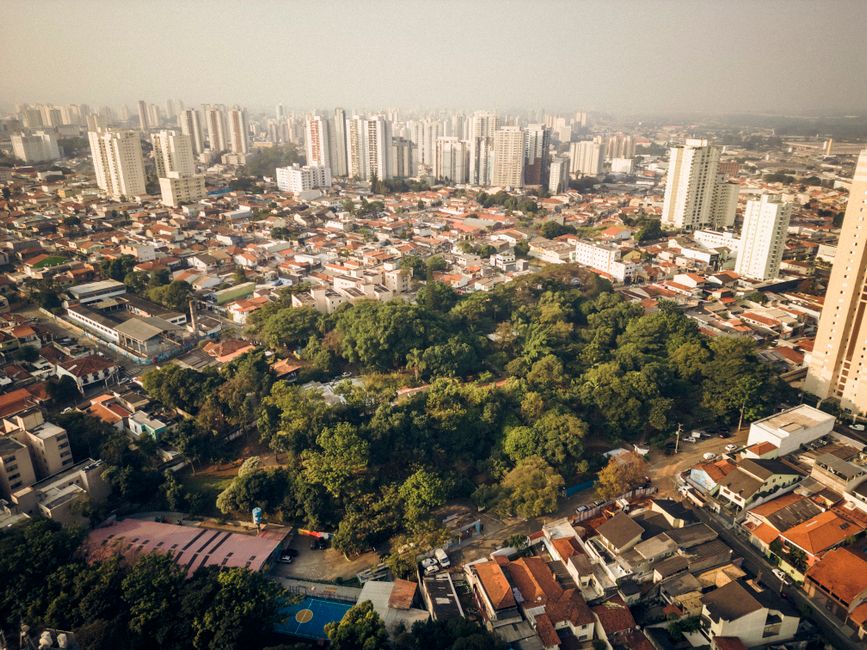
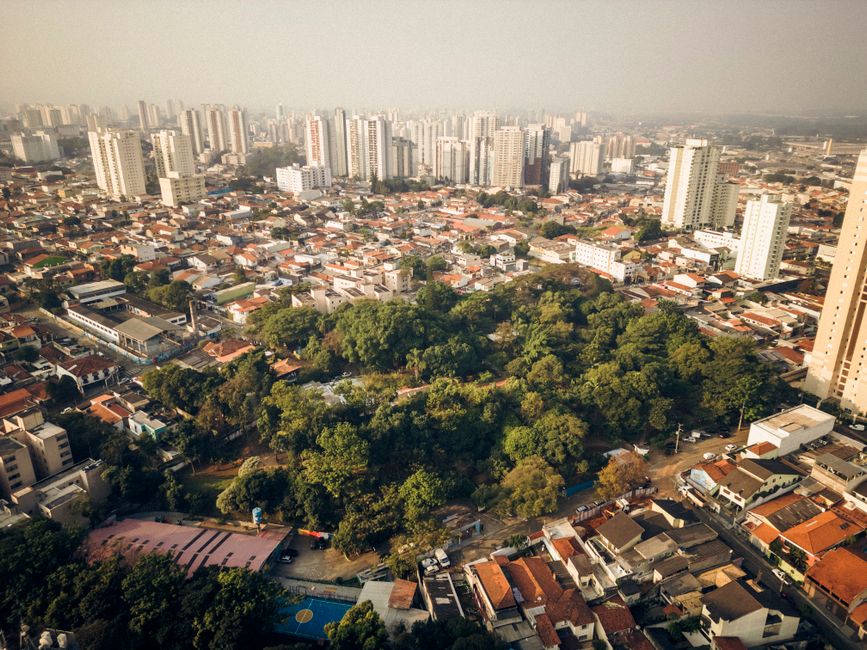
Walk through the Zona Leste on any Saturday morning and you'll find something quietly remarkable happening on dusty pitches and converted courtyards across neighbourhoods like Itaquera, São Miguel Paulista, and Ermelino Matarazzo. Local grassroots clubs—many operating on shoestring budgets and volunteer hours—are becoming the backbone of youth development in São Paulo, nurturing talent while providing sanctuary for thousands of young people who might otherwise lack structure and opportunity.
The scale is significant. According to data from the São Paulo Municipal Sports Secretariat, approximately 120,000 young athletes participate in organized grassroots sport programmes across the city's periphery, with football dominating but volleyball, futsal, and capoeira gaining ground. Yet these numbers mask a deeper shift: neighbourhood clubs are no longer just development pipelines for professional sport. They've become community anchors.
Take the network of clubs operating from Itaquera to Sapopemba, where facilities that would be considered modest by Zona Oeste standards serve as daily gathering points for children aged 6 to 17. Annual registration fees typically range from R$50 to R$200, keeping programmes accessible to families earning below two minimum wages. Many clubs operate from public spaces—repurposed schoolyards in neighbourhoods like Vila Jacuí or community centres in São Mateus—where volunteer coordinators and semi-professional coaches donate 15-20 hours weekly.
What distinguishes today's grassroots movement is intentional community integration. Clubs now organize neighbourhood tournaments, partner with local schools, and create mentorship pathways that extend beyond sport. Several organizations in the Zona Leste have begun documenting success stories: young athletes who've progressed to semi-professional contracts while simultaneously completing secondary education, or participants who've shifted into sports administration roles within their own communities.
Funding remains precarious. While municipal subsidies and occasional corporate partnerships help, most clubs rely on membership fees and fundraising events. Yet this constraint has sparked innovation. Digital platforms now connect clubs across neighbourhoods, allowing resource-sharing and collaborative training camps. Some organizations have established equipment libraries, circulating donated kits across multiple communities.
The broader picture suggests São Paulo's football culture—long synonymous with elite academies and professional pathways—is being democratized from the ground up. These clubs aren't waiting for top-down investment. They're building community resilience, one young athlete at a time, proving that meaningful sports development thrives when it's rooted in local ownership and neighbourhood identity rather than distant institutional structures.
This article was compiled by AI and screened before publishing. See our editorial standards.
How does this story make you feel?
Spread the word
About this article
Published by The Daily São Paulo
Daily brief
Free, in your inbox before 7am. Weekdays.
More in Sport