São Paulo's Festival Circuit Transforms Global Creative Hub
Electronic music to visual arts: packed calendar reflects the city's restless, hybrid cultural identity and growing influence.
Electronic music to visual arts: packed calendar reflects the city's restless, hybrid cultural identity and growing influence.
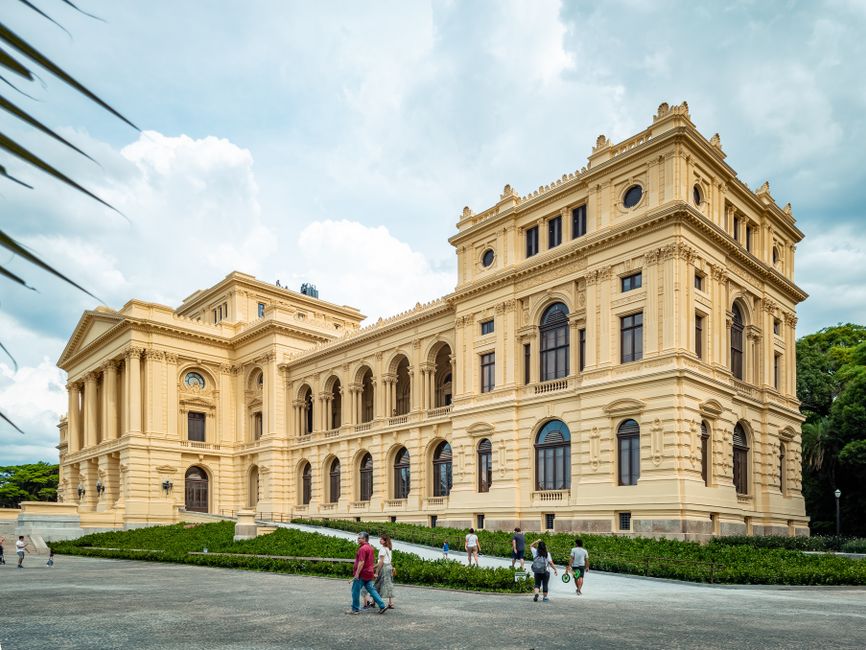
Walk through Vila Madalena on any given weekend in late June, and you'll encounter São Paulo's most defining characteristic: a city that refuses singular definition. The neighbourhood's warehouse galleries host everything from experimental video installations to underground electronic showcases, while blocks away, Pinheiros pulses with samba rehearsals and hip-hop cyphers. This creative plurality isn't incidental—it's become the city's actual identity, crystallised through a festival calendar that has transformed São Paulo into something far more nuanced than merely another megacity.
The numbers tell part of the story. São Paulo hosts approximately 15,000 registered cultural events annually, with major festivals drawing audiences exceeding 500,000 participants. Yet the real significance lies deeper. Events like the Mostra de Cinema, which screens across 80 venues citywide, or the intensifying independent music circuit clustered around Rua Augusta and Consolação, reflect a city that has actively rejected homogenisation in favour of what critics increasingly call "organised chaos."
This summer's calendar exemplifies the shift. Traditional markers—the São Paulo Jazz Festival in early August, SESC's sprawling free performance calendar—now share prominence with grassroots initiatives. The Favela Paint festival, expanding annually across periphery neighbourhoods, has become as culturally consequential as Inhotim-adjacent contemporary art programming in wealthy Zona Sul districts. Ticket prices range dramatically: a Theatro Municipal gala costs upwards of R$200, while street festivals and SESC events remain free or cost under R$30, reflecting a deliberate democratisation philosophy.
What distinguishes São Paulo's approach is intentionality. Unlike cities where festival culture emerges haphazardly, here it's sustained by institutional infrastructure—SESC's R$2 billion annual cultural budget, municipal investment, and crucially, bottom-up community organisations. The Vila Mariana neighbourhood's experimental music collective, the ongoing occupation of cultural spaces in Bom Retiro, and the Virada Cultural's 24-hour programming strategy represent a city consciously weaponising its diversity.
The creative identity emerging from this calendar isn't aspirational—it's descriptive. São Paulo's festivals don't position the city as striving toward global relevance; they document a city already internally complex enough to sustain multiple, simultaneous creative ecosystems. A teenager in Itaquera attends electronic performances indistinguishable from Berlin's scene, while her neighbour engages with liturgical music rooted in Afro-Brazilian spirituality. Both are equally São Paulo.
As the city navigates uncertain geopolitical times reflected in global headlines, its festival calendar offers something unexpected: proof that plurality can function as infrastructure, not merely ideology. Until at least December, when the Virada Cultural returns, São Paulo's calendar will continue writing this identity in real time.
This article was compiled by AI from the sources linked above and screened before publishing. See our editorial standards.
How does this story make you feel?
Spread the word
About this article
Published by The Daily São Paulo
Daily brief
Free, in your inbox before 7am. Weekdays.
More in culture