São Paulo Housing Prices 2026: What's Driving Costs Up
Supply shortages and metro expansion are reshaping São Paulo's property market. Learn why prices are rising and where first-time buyers can find affordable neighborhoods.
Supply shortages and metro expansion are reshaping São Paulo's property market. Learn why prices are rising and where first-time buyers can find affordable neighborhoods.
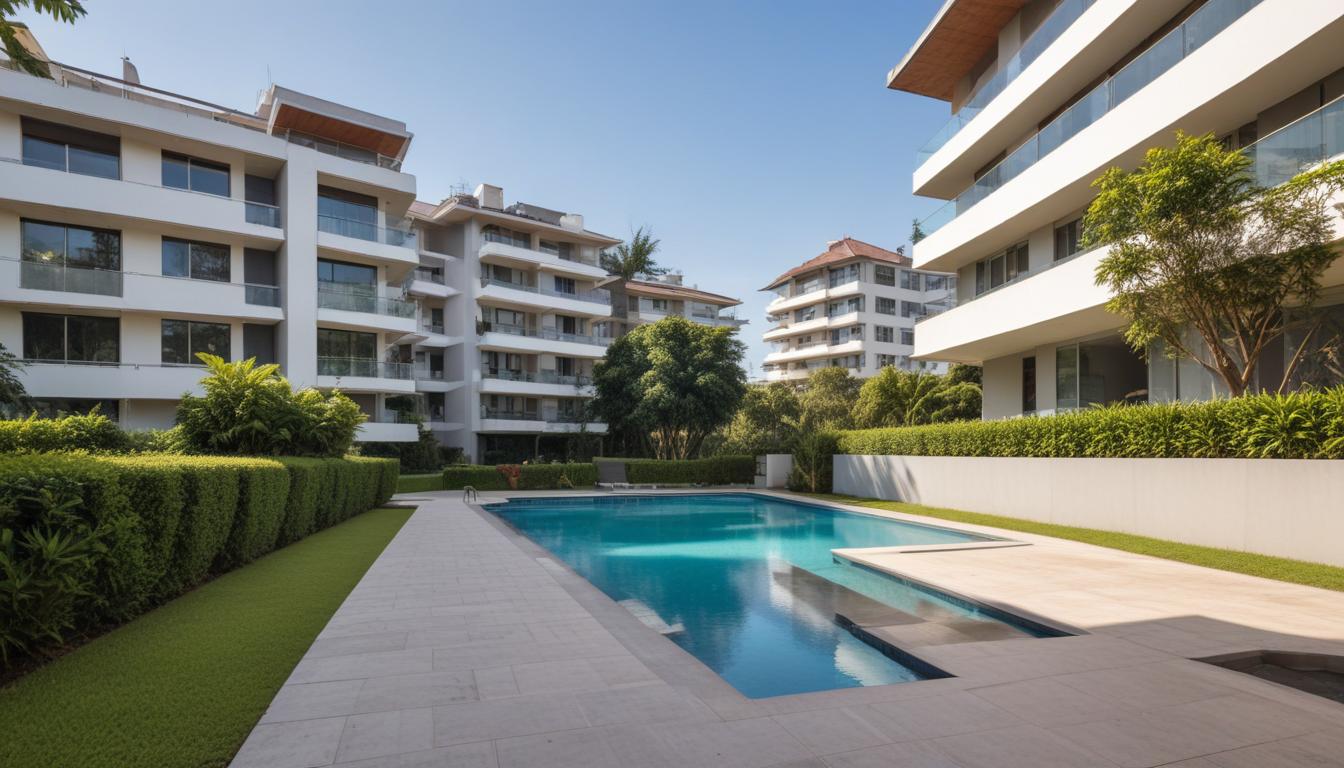
São Paulo's housing market has entered a critical phase. With average prices hovering around BRL 10,000 per square metre citywide—and significantly higher in established zones like Jardins and Itaim Bibi—affordability has become the defining challenge for middle-income buyers. Understanding what's driving these costs is essential for anyone entering the market in the second half of 2026.
The primary culprit remains supply constraints. Zoning restrictions in central neighbourhoods like Pinheiros continue to limit new residential development, artificially inflating values. Simultaneously, infrastructure projects—including ongoing metro extensions toward Tatuapé and Mooca—are creating a two-tier market. While these peripheral zones offer relative affordability at BRL 7,000–8,500 per square metre, they remain subject to speculative pressure as connectivity improves.
Government intervention is reshaping the landscape. São Paulo's social housing programs, including initiatives through the Secretaria de Habitação, have accelerated in Vila Madalena and surrounding areas, attempting to curb gentrification. However, these projects often benefit lottery-selected buyers rather than open-market participants, leaving broader affordability questions unresolved.
Land cost escalation in transit-adjacent corridors has also driven apartment values upward. Developers increasingly favour high-density projects near established transport hubs—the Paulista Avenue corridor and areas around Estação da Luz remain prime examples—creating bidding wars that exclude first-time buyers.
What should prospective buyers know right now? First, the affordability gap is widening fastest in traditionally working-class neighbourhoods experiencing gentrification. Areas like Vila Mariana and Consolação, once considered entry-level markets, are experiencing double-digit annual appreciation. Second, interest rate trends matter enormously; any shift in Central Bank policy directly impacts mortgage availability for buyers relying on financing.
Third, location strategy is paramount. While Itaim Bibi and Jardins remain elite investment territory, savvier buyers are looking 15–20 kilometres from the CBD, where BRL 6,000–7,000 per square metre pricing offers realistic leverage. Tatuapé's combination of improving infrastructure and still-reasonable values makes it increasingly attractive.
Finally, buyers must distinguish between permanent residence and speculative investment. São Paulo's property market, increasingly attracting institutional capital, has priced out many who simply want to live here. For those seeking genuine affordability, government-backed housing programs—despite their lottery-based selection—remain the most realistic entry point.
The city's housing crisis is real. But strategic market timing and neighbourhood selection can still unlock opportunities for buyers willing to think beyond traditional premium postcodes.
This article was compiled by AI from the sources linked above and screened before publishing. See our editorial standards.
How does this story make you feel?
Spread the word
About this article
Published by The Daily São Paulo
Daily brief
Free, in your inbox before 7am. Weekdays.
More in Property