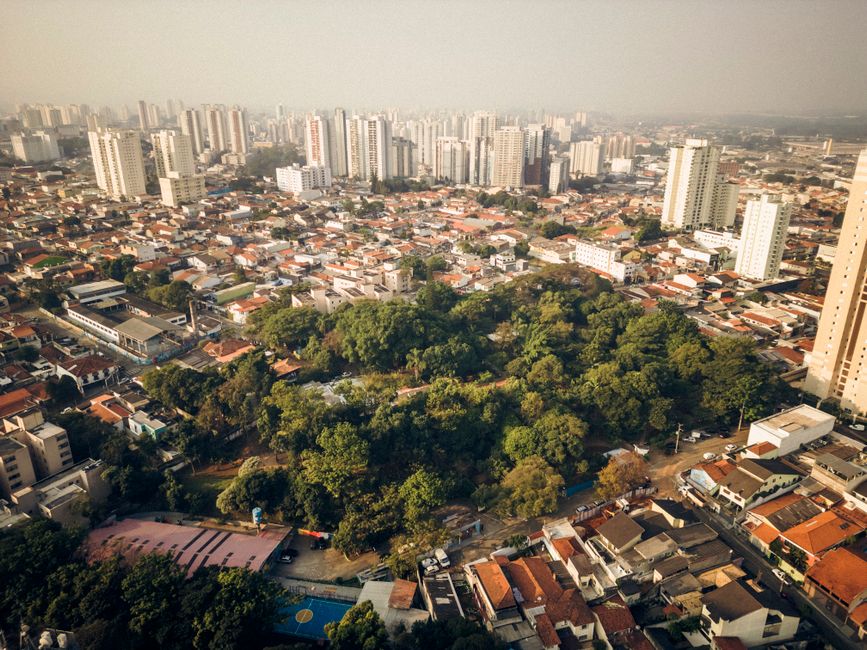
São Paulo's rental market is experiencing a fundamental realignment as new residential construction projects accelerate across the city, creating divergent outcomes for landlords and tenants depending on neighbourhood location and property profile.
The construction approval surge is most visible in emerging corridors. Tatuapé and Mooca, traditionally considered secondary addresses, are attracting significant institutional investment. Real estate consultancy data indicates over 8,500 new units approved in these eastern zones since 2024, with completion rates climbing through 2026. For tenants, this abundance translates to negotiating power—rental growth in these areas has stalled at approximately 2.5 per cent annually, well below São Paulo's historical average of 6 per cent. Landlords managing older stock in Tatuapé face mounting pressure to modernise or reduce asking prices to remain competitive.
Conversely, established premium districts tell a different story. Jardins and Pinheiros maintain construction bottlenecks due to zoning restrictions and lot scarcity. Limited new supply keeps rental demand elevated; properties here command premiums averaging BRL 15,000–18,000 per square metre, with rental yields remaining attractive for institutional investors. Small-scale landlords, however, report longer vacancy periods as tenant pools shrink—fewer young professionals can afford BRL 6,000–8,000 monthly rents for 80-square-metre apartments.
Vila Madalena presents a middle case. While not experiencing the construction intensity of Tatuapé, new mid-rise developments near Praça 14 Bis are introducing modern amenities and flexible lease terms that older residential buildings cannot match. Traditional landlords here are adapting by bundling utilities or offering furnished units to remain relevant.
The Itaim Bibi luxury segment demonstrates resilience. High-end new developments continue to absorb demand from relocated executives and international transfers, with rents stabilising around BRL 12,000–14,000 per square metre for premium finishes. Yet even luxury landlords acknowledge that tenant retention requires competitive pricing—the days of annual 10 per cent increases have ended.
A critical tension is emerging: developers prioritise new construction in permitted growth zones, while existing rental stock in mature neighbourhoods deprecates without corresponding demand. Property management firms report that owners of 15–30-year-old residential buildings are increasingly converting to commercial use or entering sale negotiations rather than enduring rental market compression.
As 2026 progresses and another estimated 12,000 units reach completion or approval, the rental market will likely bifurcate further. Tenants in growth zones gain leverage; those in premium districts face scarcity. For landlords, the imperative is clear: adapt to localised market conditions or risk prolonged vacancies in an era of abundant supply competing for diminishing tenant pools.
This article was compiled by AI from the sources linked above and screened before publishing. See our editorial standards.