Vila Leopoldina emerges as São Paulo's next investment frontier as major developments reshape skyline
West zone neighbourhood breaks free from industrial past, attracting residential and mixed-use projects that rival established premium districts.
West zone neighbourhood breaks free from industrial past, attracting residential and mixed-use projects that rival established premium districts.
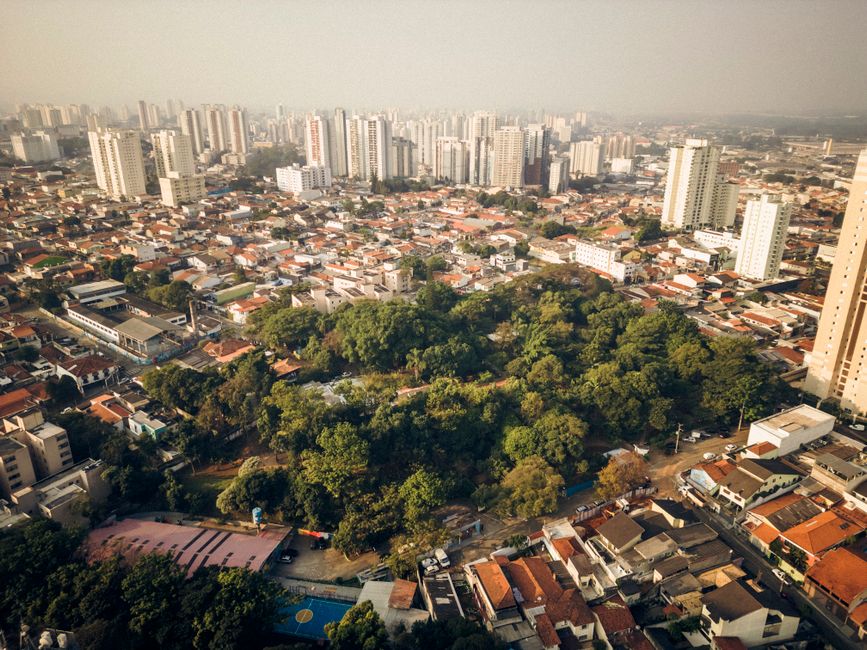
Vila Leopoldina, long overshadowed by the glittering addresses of Jardins and Itaim Bibi, is quietly rewriting São Paulo's property investment narrative. Once dismissed as a purely industrial zone hugging the Pinheiros River, the west zone neighbourhood is now attracting substantial capital from developers and institutional investors seeking untapped growth potential—and approval pipelines to prove it.
The transformation accelerated following zoning reforms in 2023 that opened Vila Leopoldina's waterfront stretches to mixed-use development. Today, the neighbourhood hosts five major residential towers under construction or approved, with cumulative units exceeding 2,400 apartments. Average prices hover around BRL 8,500 per square metre—approximately 15 per cent below Jardins—making it genuinely accessible to middle-to-upper income buyers seeking modern infrastructure without premium-zone premiums.
Recent completions near Avenida Marquês de São Vicente demonstrate the shift. New complexes integrate ground-floor retail, co-working spaces, and restaurants, drawing young professionals who previously accepted Pinheiros congestion or Vila Madalena's volatility. The arrival of a curated food market and fitness chains signals confidence from operators betting on neighbourhood permanence.
What distinguishes Vila Leopoldina from speculative plays is infrastructure momentum. Planned metro extensions serving the region remain on the municipal agenda, while ongoing Pinheiros River revitalisation projects—managed through partnerships with environmental organisations—promise recreational amenities that will anchor long-term appeal. The neighbourhood already benefits from proximity to major employers in Bom Retiro and direct motorway access via the Imigrantes.
Municipal approvals data reveals appetite from mid-tier developers previously focused on secondary zones like Tatuapé and Mooca. Building permits filed through 2025–2026 suggest sustained activity, though construction timelines stretch longer than in established precincts due to legacy environmental compliance and riverside regulations.
Seasoned investors note Vila Leopoldina's rental potential. Young families and corporate relocations increasingly target the neighbourhood, creating steady tenant demand at competitive yields. Some units command monthly rents of BRL 4,500–6,500 for two-bedroom apartments—healthy returns compared to similarly-priced Perdizes or Consolação stock.
The neighbourhood remains nascent as an investment hotspot. Pockets still dominated by warehouses and small factories, street infrastructure awaits upgrades, and restaurant culture remains developing. Yet São Paulo's property landscape rewards early entrants in neighbourhoods with genuine structural advantages. Vila Leopoldina appears to possess them: capital accessibility, institutional confidence, long-term infrastructure plans, and geographic positioning. For investors patient enough to weather construction phases and zoning transitions, the district may represent genuine upside before establishing premium-zone pricing.
This article was compiled by AI from the sources linked above and screened before publishing. See our editorial standards.
How does this story make you feel?
Spread the word
About this article
Published by The Daily São Paulo
Daily brief
Free, in your inbox before 7am. Weekdays.
More in Property