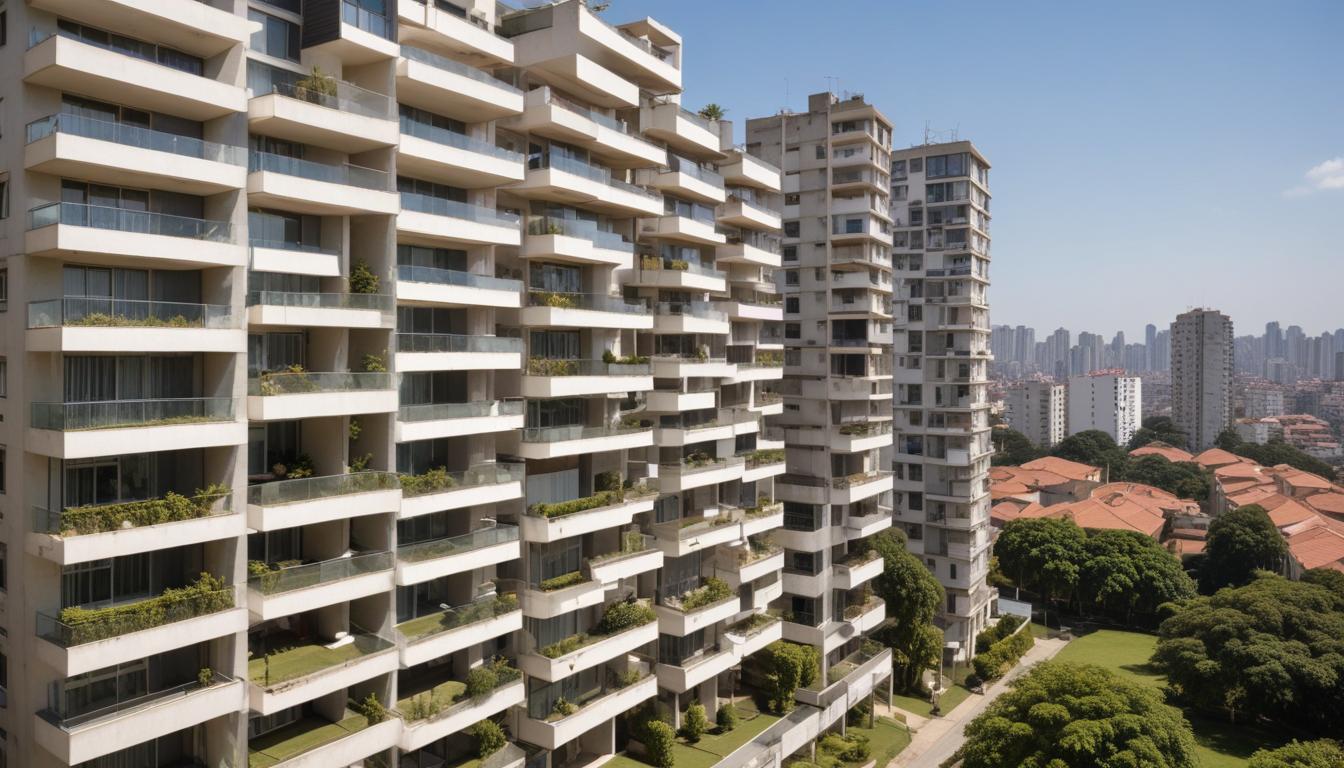
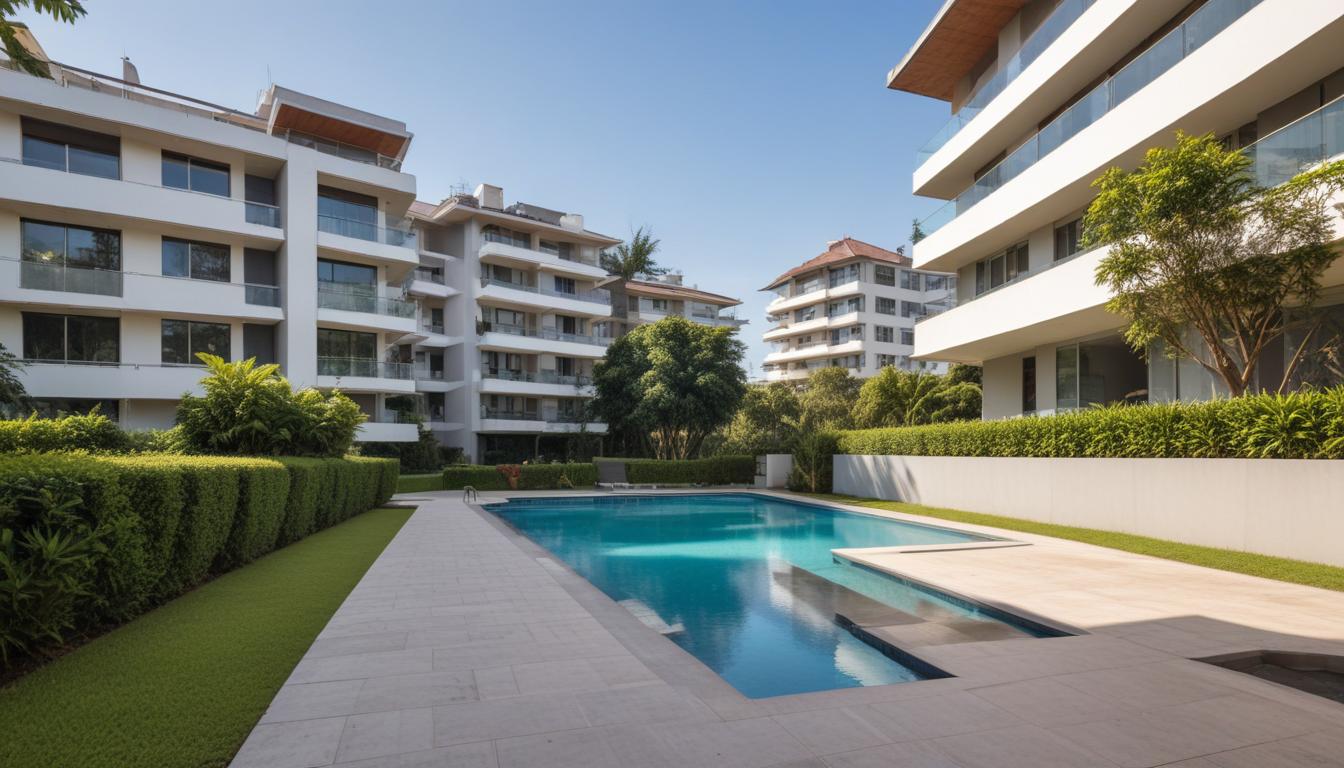
São Paulo's property landscape is undergoing one of its most significant transformations in a decade, driven by a wave of new development projects that promise to democratise housing while fundamentally reshaping neighbourhood character. With the city's average price holding steady around BRL 10,000 per square metre, emerging projects in Tatuapé and Mooca are attracting investors betting on gentrification, while established premium areas like Jardins and Itaim Bibi continue to command 40–60 per cent premiums.
The phenomenon is most visible in Tatuapé, where several mixed-use complexes are under construction or planning stages along Avenida Radial Leste. These projects promise residential units starting at BRL 400,000–600,000—genuinely accessible compared to Pinheiros or Vila Madalena, where entry-level two-bedroom apartments routinely exceed BRL 1.2 million. However, local residents and urban planners express cautious concern: new infrastructure and retail amenities attract young professionals, which accelerates rent increases and eventually displaces lower-income families who arrived before the boom.
Vila Madalena's trajectory offers a cautionary lesson. Once an affordable creative hub centred around Rua Mourato Coelho, the neighbourhood has transformed over fifteen years into a trendy destination where studio apartments now average BRL 800,000. Current development projects there focus on premium segments, with luxury co-living spaces and upscale mixed-use developments commanding prices 80 per cent above the city average.
Meanwhile, initiatives to address housing equity remain fragmented. Organisations monitoring affordable housing in São Paulo note that while private developers deliver projects faster, they typically prioritise profit margins over genuine affordability. Public-private partnerships and social housing programmes exist but represent a fraction of annual new supply.
The challenge facing São Paulo's property market is structural: new development creates opportunity but rarely guarantees inclusion. Projects in Mooca and Tatuapé may initially offer relief to middle-income buyers priced out of traditional zones, yet their success inevitably triggers property appreciation that eventually excludes the very demographic they aimed to serve. Developers and policymakers acknowledge this cycle, yet market forces continue to drive it.
For prospective buyers, the current moment presents both window and warning. Emerging neighbourhoods offer genuine value today—but timing matters. Yesterday's affordable frontier becomes today's gentrified hotspot. Those seeking sustainable housing solutions increasingly look beyond São Paulo's traditional boundaries or question whether new megaprojects represent genuine progress or merely shifting the affordability crisis to the next neighbourhood.
This article was compiled by AI from the sources linked above and screened before publishing. See our editorial standards.