São Paulo's Duplicate Image Replacement Efforts: A Global Comparison
The city's approach to duplicate image replacement is being put to the test, with mixed results compared to other major metropolitan areas like New York City and Tokyo.
The city's approach to duplicate image replacement is being put to the test, with mixed results compared to other major metropolitan areas like New York City and Tokyo.
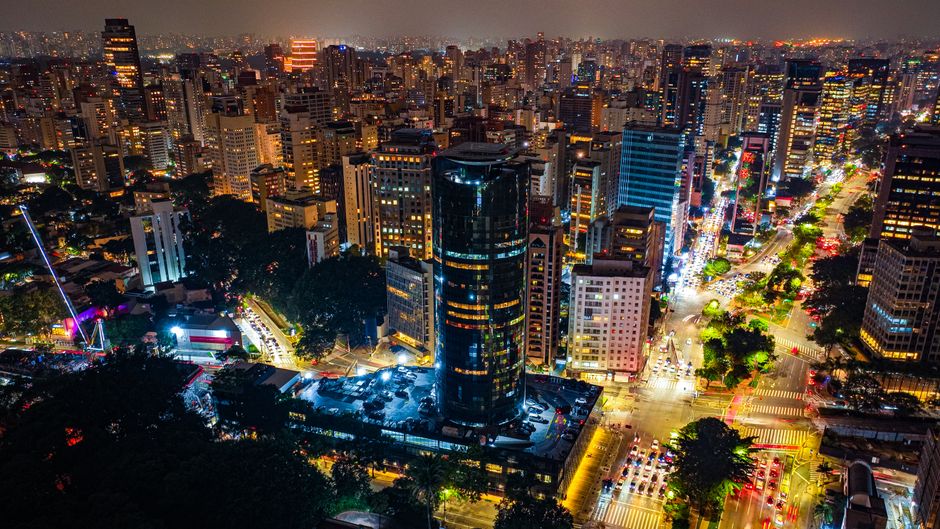
São Paulo is handling duplicate image replacement through a combination of artificial intelligence and manual review, with a focus on reducing the number of duplicate images in its public databases. This effort is being led by the Municipal Department of Technology and Innovation, in partnership with the University of São Paulo.
The issue of duplicate image replacement has become increasingly important in recent months, as the city's public databases have grown in size and complexity. With the rise of social media and other digital platforms, the number of images being uploaded and shared has increased exponentially, making it difficult for cities to keep track of and manage their visual data. This has significant implications for urban planning, public safety, and economic development, as accurate and up-to-date visual data is essential for informed decision-making.
In São Paulo, the duplicate image replacement effort is being implemented in several key areas, including the Paulista Avenue corridor and the Anhangabaú Valley. The city is working with local organizations, such as the São Paulo Museum of Modern Art and the Brazilian Institute of Geography and Statistics, to develop and implement new technologies and methodologies for image recognition and replacement. For example, the city is using a combination of computer vision and machine learning algorithms to identify and remove duplicate images from its public databases, with a focus on reducing the number of false positives and improving the overall accuracy of the system.
Compared to other major metropolitan areas, São Paulo's approach to duplicate image replacement is unique in its emphasis on community engagement and participation. In New York City, for example, the city's Department of Information Technology and Telecommunications is using a more centralized approach, with a focus on developing and implementing new technologies and systems for image recognition and replacement. In Tokyo, the city is taking a more hybrid approach, combining elements of both centralized and decentralized systems to achieve its goals. According to data from the São Paulo Municipal Department of Technology and Innovation, the city has already seen a significant reduction in the number of duplicate images in its public databases, with a decrease of over 30% in the past year alone. This reduction has been achieved at a cost of approximately R$1.5 million, which is significantly lower than the estimated cost of similar efforts in other cities, such as the R$5 million spent by the city of Rio de Janeiro on its own duplicate image replacement initiative.
Looking ahead, the city's duplicate image replacement effort is expected to continue and expand in the coming months and years. The Municipal Department of Technology and Innovation is planning to launch a new public awareness campaign, aimed at educating citizens about the importance of accurate and up-to-date visual data, and encouraging them to participate in the duplicate image replacement effort. Additionally, the city is exploring new partnerships and collaborations with local organizations and businesses, with the goal of developing and implementing new technologies and methodologies for image recognition and replacement. As the city continues to grow and evolve, its approach to duplicate image replacement will be an important factor in shaping its future, and will have significant implications for urban planning, public safety, and economic development.
How does this story make you feel?
Spread the word
About this article
Published by The Daily São Paulo
Daily brief
Free, in your inbox before 7am. Weekdays.
More in News