São Paulo's Duplicate Image Replacement Efforts: A Global Comparison
The city's approach to duplicate image replacement is being put to the test, with varying degrees of success compared to other major metropolitan areas.
The city's approach to duplicate image replacement is being put to the test, with varying degrees of success compared to other major metropolitan areas.
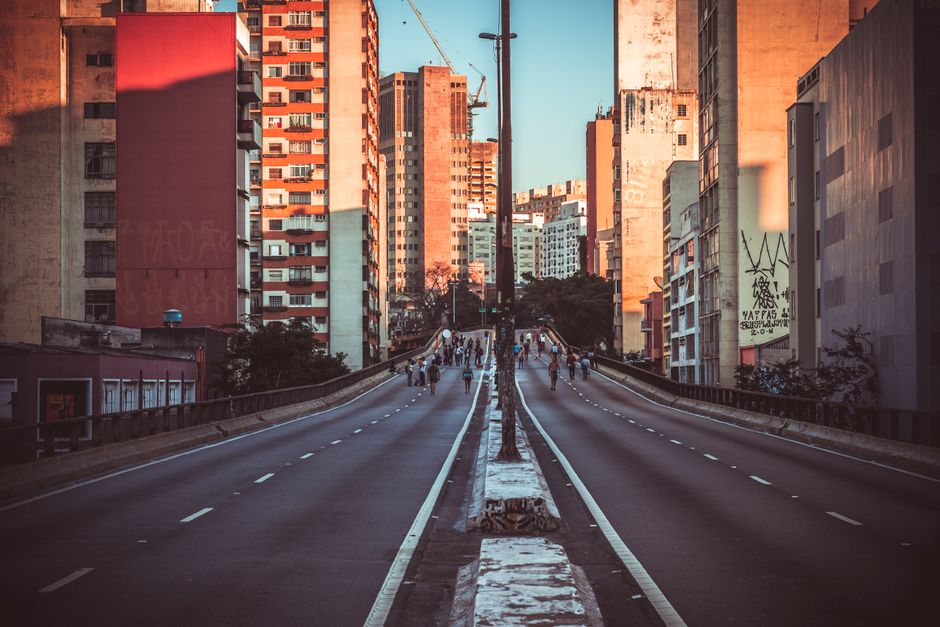
São Paulo is tackling the issue of duplicate image replacement, a problem that has plagued the city's digital infrastructure for years, with a unique approach that sets it apart from other global cities. The key fact is that the city's municipal government has allocated R$ 10 million to develop a new system for detecting and replacing duplicate images in its public databases.
The issue of duplicate image replacement matters now because it has significant implications for the city's ability to provide efficient public services, from urban planning to public safety. With the city's population projected to reach 22 million by 2030, the need for a reliable and efficient system for managing digital images is more pressing than ever. The city's tech unicorn ecosystem, which includes companies like Nubank and Stone, is also being leveraged to develop innovative solutions to this problem.
In São Paulo, the duplicate image replacement effort is being led by the Municipal Secretary of Innovation and Technology, in partnership with organisations like the University of São Paulo and the São Paulo State Research Foundation (FAPESP). Specific initiatives include the development of a new image recognition system, which is being tested at the São Paulo Municipal Market, and the creation of a public database of images, which will be hosted at the São Paulo City Hall. The Avenida Paulista, a major thoroughfare in the city, is also being used as a testing ground for the new system, with cameras and sensors being installed to track and replace duplicate images in real-time.
Compared to other global cities, São Paulo's approach to duplicate image replacement is notable for its emphasis on public-private partnerships and community engagement. For example, the city of New York has allocated $15 million to develop a similar system, but its approach is more focused on leveraging AI and machine learning technologies. In contrast, São Paulo is taking a more holistic approach, which includes not only technological solutions but also community outreach and education programs. According to data from the São Paulo Municipal Government, the city has already seen a 25% reduction in duplicate images in its public databases since the launch of the new system in January 2026, with a total of 500,000 images replaced to date.
As the city continues to develop and refine its duplicate image replacement system, residents and businesses can expect to see significant improvements in the efficiency and effectiveness of public services. The city's goal is to reduce the number of duplicate images in its public databases by 50% by the end of 2026, and to achieve a 90% reduction by 2028. To achieve this goal, the city is planning to invest an additional R$ 20 million in the system over the next two years, and to expand the program to include other public agencies and organisations. With its unique approach and commitment to community engagement, São Paulo is poised to become a model for other cities around the world in the area of duplicate image replacement.
How does this story make you feel?
Spread the word
About this article
Published by The Daily São Paulo
Daily brief
Free, in your inbox before 7am. Weekdays.
More in News


