São Paulo Moves to Purge Duplicate Images From City Digital Records — but Falls Behind London and Seoul
As municipal governments race to clean up bloated image databases, São Paulo's bureaucratic pace is drawing scrutiny from urban tech specialists.
As municipal governments race to clean up bloated image databases, São Paulo's bureaucratic pace is drawing scrutiny from urban tech specialists.
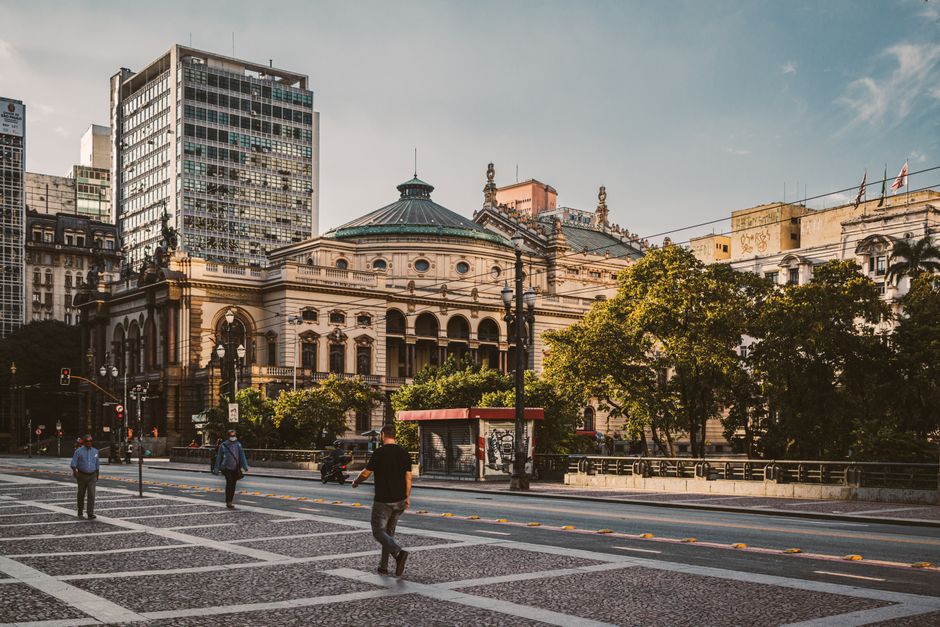
São Paulo's city administration confirmed this week that a formal audit of duplicated images across its municipal digital infrastructure — spanning everything from urban planning documents on Paulista Avenue to favela mapping projects in Paraisópolis — has been underway since March 2026. The effort, coordinated through the Secretaria Municipal de Inovação e Tecnologia, targets tens of thousands of redundant files that have accumulated over more than a decade of overlapping digitisation programs run by separate city departments.
The issue matters now because São Paulo is mid-way through a broader smart-city push under Mayor Ricardo Nunes's administration, one that includes digital twin mapping of flood-prone zones along the Tietê River basin and real-time drainage monitoring systems meant to address the city's chronic flooding crisis. Redundant image files — duplicated satellite photos, repeated street-level captures, and duplicated architectural renders — clog storage pipelines, slow query times on shared government platforms, and inflate cloud infrastructure costs paid from the municipal budget.
London's Government Digital Service completed a comparable deduplication exercise across Transport for London's image repository in 2024, cutting storage overhead by consolidating files held across 14 separate departmental servers. Seoul's Smart City Division, operating out of the Digital Mayor's Office, embedded automated hash-based deduplication directly into its urban data intake pipeline as far back as 2022, meaning duplicate images are rejected at the point of upload rather than cleaned up retrospectively. Both cities treat deduplication as infrastructure hygiene — not a special project. São Paulo, by contrast, is still treating it as an audit event, which specialists in urban data management say creates recurring rather than permanent costs.
In Mexico City, the Agencia Digital de Innovación Pública launched a similar retrospective clean-up in late 2023 targeting its CDMX urban mobility image archive. That effort processed roughly 4.2 million files. São Paulo's Secretaria has not published a comparable figure for its current audit scope, and requests for comment made to the Secretaria Municipal de Inovação e Tecnologia by The Daily São Paulo had not been answered by press time.
The practical stakes are visible in two specific programs. The Centro de Operações São Paulo, headquartered in the Lapa district, relies on a continuously updated image feed from more than 900 monitoring cameras citywide. Engineers working there have flagged internally that duplicated frames from camera handoff errors are processed redundantly during peak alert periods — a problem that becomes acute during the November-to-March storm season when the system is under maximum load. Separately, the Programa Requalifica Centro, which has been digitising building-condition records in the historic Luz neighbourhood since 2023, is understood to have generated duplicate photographic records across at least three departmental databases because no single interoperability standard governed file submission.
Urban data specialists who follow Latin American municipalities point out that São Paulo's challenge is partly structural. The city has more than 70 secretarias and autarquias, each historically maintaining its own IT environment. That fragmentation is common to large federal cities — Lagos and Jakarta face similar problems — but Seoul and London resolved it through centralised data governance mandates, not voluntary cooperation between departments.
For São Paulo's tech ecosystem, centred on the Vila Olímpia and Faria Lima corridor where several of Brazil's data-infrastructure startups are headquartered, the city's slow pace represents both a problem and an opportunity. Municipal contracts for deduplication tooling and cloud storage optimisation have been part of procurement conversations at São Paulo's Centro de Empreendedorismo do InovaBra since at least early 2025.
The Secretaria's audit is expected to produce a formal report by September 2026. If the administration adopts the approach used in Seoul — embedding deduplication at the point of data intake across all city systems — the retrospective cleanup now underway could be the last of its kind. If it does not, the same audit will almost certainly need to be repeated before the end of the next mayoral term. City council members on the Comissão de Política Urbana have indicated they plan to request the September report before approving the next budget cycle for municipal digital infrastructure.
How does this story make you feel?
Spread the word
About this article
Published by The Daily São Paulo
Daily brief
Free, in your inbox before 7am. Weekdays.
More in News


