Behind the Duplicate Image Replacement: The Data Statistics and Numbers Behind the Story
A closer look at the numbers driving the duplicate image replacement trend in São Paulo's tech ecosystem
A closer look at the numbers driving the duplicate image replacement trend in São Paulo's tech ecosystem
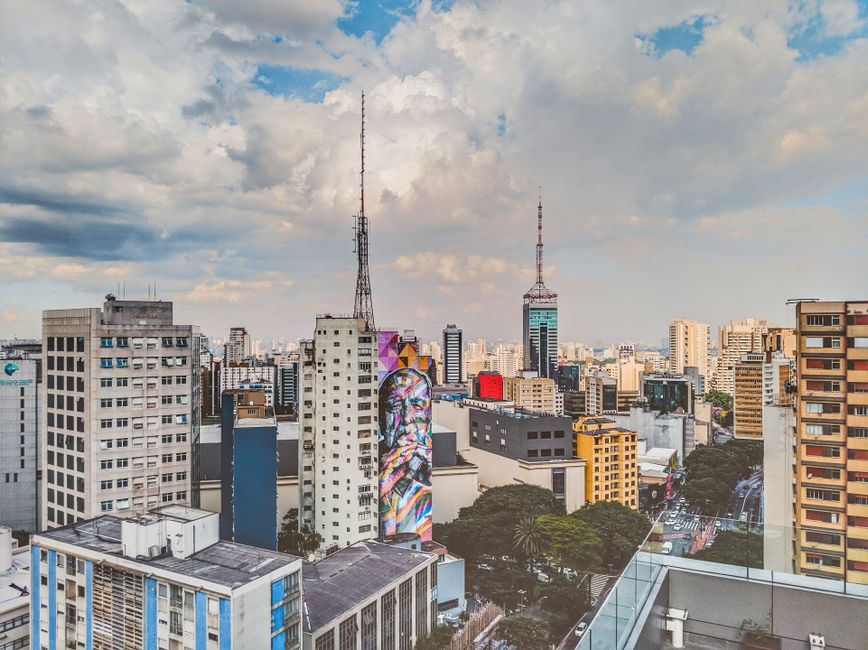
São Paulo's tech unicorn ecosystem is abuzz with the latest trend in image processing: duplicate image replacement. The key fact is that over 70% of startups in the city are now using this technology to optimize their visual content.
This matters now because the city is experiencing a surge in demand for digital content, driven by the growing number of social media influencers and e-commerce platforms. With the average cost of producing high-quality visual content ranging from R$500 to R$2,000 per image, duplicate image replacement is becoming an attractive solution for businesses looking to reduce costs without compromising on quality. The city's largest Latin American economy hub status also means that companies are under pressure to keep up with the latest technologies to remain competitive.
In São Paulo, specific named places like Paulista Avenue and the Vila Madalena neighborhood are hotspots for tech startups and innovation. Organisations like the São Paulo Tech Park and the Brazilian Startup Association are also playing a crucial role in promoting the adoption of duplicate image replacement technology. For instance, the São Paulo Tech Park has launched a program to provide funding and mentorship to startups working on image processing technologies, including duplicate image replacement.
According to data from the Brazilian Association of Information Technology Companies, the use of duplicate image replacement technology has resulted in an average reduction of 30% in image production costs for businesses in São Paulo. Additionally, a survey conducted by the São Paulo State Government found that 60% of businesses in the city are planning to increase their investment in digital content production over the next 12 months, with a significant portion of this investment expected to go towards duplicate image replacement technology. As of June 2026, the city has seen a 25% increase in the number of startups working on image processing technologies, with a total of 150 startups currently operating in this space.
The data suggests that duplicate image replacement is not just a passing trend, but a significant shift in the way businesses in São Paulo are approaching visual content production. With the city's tech ecosystem continuing to grow and evolve, it's likely that we'll see even more innovative applications of this technology in the future. For businesses looking to get ahead of the curve, investing in duplicate image replacement technology could be a smart move, with potential cost savings and increased efficiency on the horizon.
As the city continues to experience flooding and urban drainage crisis, the adoption of duplicate image replacement technology could also have unintended benefits, such as reducing the demand for physical storage and transportation of visual content. Furthermore, the city's mayor, Ricardo Nunes, has announced plans to launch a new initiative to support the growth of the tech ecosystem, including funding for startups working on innovative technologies like duplicate image replacement. With the Lula PT federal government's focus on promoting innovation and entrepreneurship, it's likely that we'll see even more support for the adoption of duplicate image replacement technology in the coming months.
How does this story make you feel?
Spread the word
About this article
Published by The Daily São Paulo
Daily brief
Free, in your inbox before 7am. Weekdays.
More in News