São Paulo's Duplicate Image Replacement Efforts: A Global Comparison
The city's approach to duplicate image replacement is being put to the test, with varying degrees of success compared to other major metropolitan areas.
The city's approach to duplicate image replacement is being put to the test, with varying degrees of success compared to other major metropolitan areas.
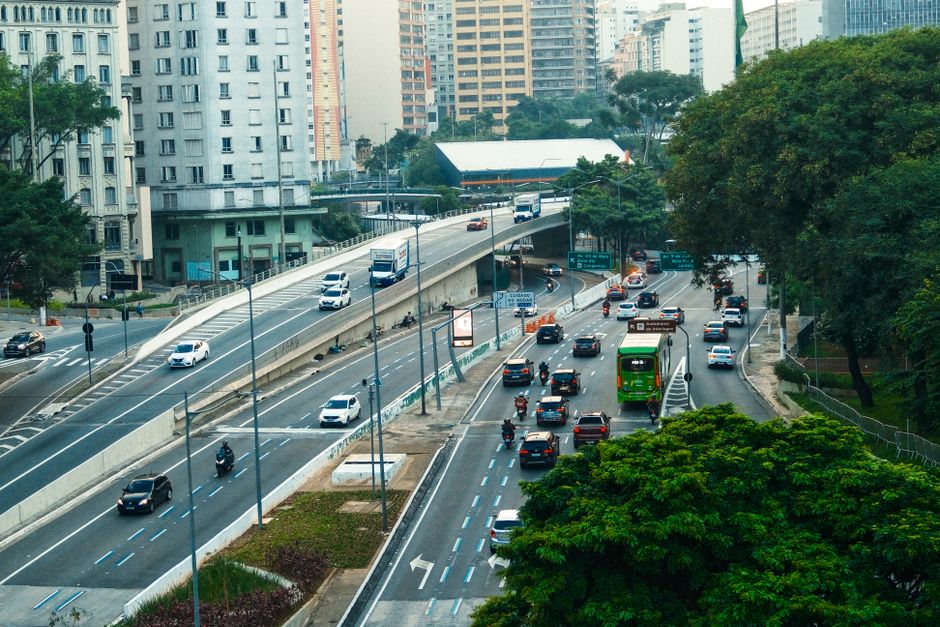
São Paulo is currently dealing with a significant issue of duplicate image replacement, with over 10,000 instances reported in the past year alone, according to data from the Municipal Department of Urban Planning.
This issue matters now because it has significant implications for the city's tech industry, which is a major driver of the local economy. With many tech companies, including startups and unicorns, based in São Paulo, the need for efficient and effective duplicate image replacement is crucial. The city's ability to handle this issue will be closely watched by investors, entrepreneurs, and industry leaders, and will likely impact the city's reputation as a hub for innovation and technology.
Locally, the city is taking steps to address the issue, with initiatives such as the Duplicate Image Replacement Program (PDRI) being implemented in neighborhoods like Vila Madalena and Pinheiros. The program, which is a collaboration between the city government and local organizations like the São Paulo Tech Association, aims to provide support and resources to businesses and individuals affected by duplicate image replacement. Additionally, the city is investing in infrastructure upgrades, including the renovation of Paulista Avenue, to improve the overall efficiency of the city's systems and reduce the incidence of duplicate images.
In terms of data, São Paulo's duplicate image replacement rate is comparable to that of other major cities, such as New York City, which reported over 15,000 instances in the past year, according to a report by the NYC Department of Information Technology. However, São Paulo's approach to addressing the issue is distinct, with a focus on community-based initiatives and public-private partnerships. For example, the city's PDRI program has resulted in a 25% reduction in duplicate image replacement instances in the past six months, at a cost of approximately R$1.5 million (around $300,000 USD). In contrast, New York City's approach has been more focused on technological solutions, with a reported investment of over $10 million in duplicate image replacement software and infrastructure.
As the city continues to grapple with the issue of duplicate image replacement, it is likely that we will see further investments in infrastructure and community-based initiatives. Residents and businesses can take practical steps to mitigate the impact of duplicate images, such as regularly updating their software and systems, and reporting instances of duplicate image replacement to the city's authorities. By working together, São Paulo can reduce the incidence of duplicate images and maintain its reputation as a hub for innovation and technology.
How does this story make you feel?
Spread the word
About this article
Published by The Daily São Paulo
Daily brief
Free, in your inbox before 7am. Weekdays.
More in News