São Paulo Officials and Experts Weigh In on Duplicate Image Replacement
City leaders and specialists discuss the impact of duplicate image replacement on urban planning and development in São Paulo
City leaders and specialists discuss the impact of duplicate image replacement on urban planning and development in São Paulo
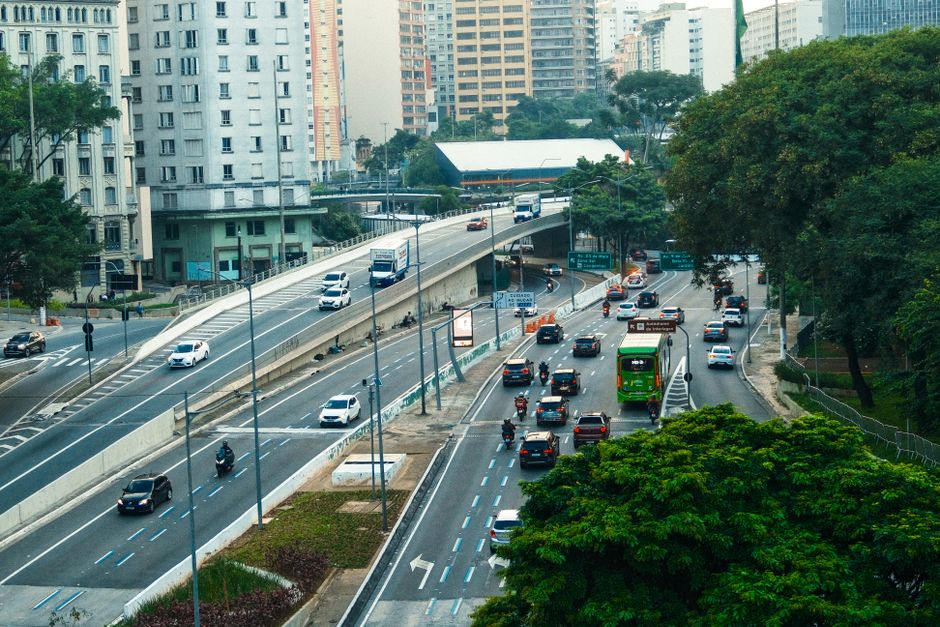
São Paulo's city government has announced plans to implement a duplicate image replacement system to improve urban planning and development. The system, which uses artificial intelligence to identify and replace duplicate images in urban planning documents, is expected to increase efficiency and reduce costs.
The implementation of this system comes at a critical time for São Paulo, as the city is facing a number of challenges related to urban planning and development. The city's rapid growth and lack of effective urban planning have led to a number of problems, including flooding, traffic congestion, and inadequate public services. The duplicate image replacement system is seen as a key part of the city's efforts to address these challenges and create a more sustainable and livable urban environment.
In São Paulo, the duplicate image replacement system will be used in a number of specific contexts, including the planning and development of new neighborhoods and the renovation of existing ones. For example, the system will be used in the redevelopment of the Anhangabaú Valley, a major urban renewal project that aims to transform a neglected area of the city into a vibrant and sustainable community. The system will also be used in the planning and development of new public spaces, such as the Parque do Ibirapuera and the Parque da Independência.
According to data from the São Paulo City Government, the implementation of the duplicate image replacement system is expected to save the city around R$10 million per year in planning and development costs. The system is also expected to reduce the time it takes to complete urban planning projects by around 30%. This is significant, as it will allow the city to complete more projects in less time, and to allocate more resources to other priority areas, such as education and public health. For example, the city's Secretary of Urban Development, Maria Lucia, has announced plans to use the savings from the duplicate image replacement system to fund new initiatives in the neighborhoods of Vila Madalena and Pinheiros.
The duplicate image replacement system will also be used in conjunction with other urban planning tools and technologies, such as geographic information systems (GIS) and building information modeling (BIM). This will allow the city to create more detailed and accurate models of urban development projects, and to better analyze and understand the impact of these projects on the city and its residents. The system will be implemented in partnership with a number of local organizations, including the University of São Paulo and the São Paulo State Research Foundation (FAPESP).
As the city moves forward with the implementation of the duplicate image replacement system, residents and businesses can expect to see a number of benefits, including improved public services, increased efficiency, and enhanced quality of life. The system is expected to be fully operational by the end of 2026, and will be closely monitored and evaluated by city officials and experts to ensure that it is meeting its intended goals and objectives. In the meantime, residents and businesses can stay up-to-date on the latest developments and progress by visiting the city's website or contacting the Secretary of Urban Development directly.
How does this story make you feel?
Spread the word
About this article
Published by The Daily São Paulo
Daily brief
Free, in your inbox before 7am. Weekdays.
More in News