Voices from Affected Community Members on Duplicate Image Replacement
São Paulo residents share concerns over the impact of duplicate image replacement on their daily lives
São Paulo residents share concerns over the impact of duplicate image replacement on their daily lives
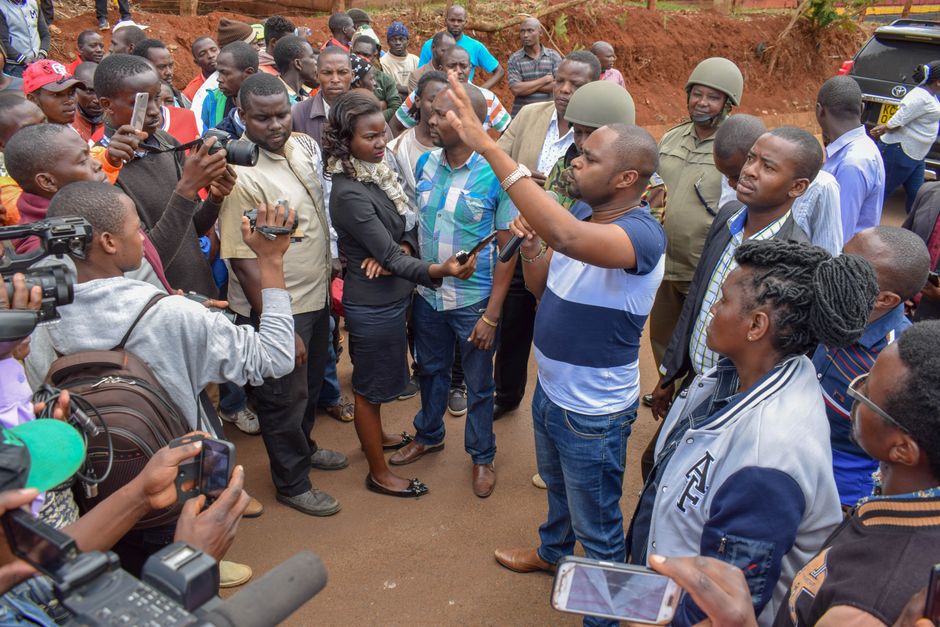
Duplicate image replacement has become a pressing issue in São Paulo, with many community members expressing frustration over the lack of transparency and accountability in the process.
The issue has gained significant attention in recent months, particularly in light of the city's ongoing efforts to address the urban drainage crisis and flooding in areas such as the Tietê River basin and the streets of Vila Madalena. As the city's largest Latin American economy hub, São Paulo's infrastructure and services are under increasing strain, making the need for effective and efficient solutions all the more urgent. The Lula PT federal government has pledged to support the city's initiatives, but community members are eager to see tangible results.
In São Paulo, the impact of duplicate image replacement can be seen in neighborhoods such as Pinheiros and Mooca, where residents have reported difficulties in accessing important documents and services due to the proliferation of duplicate images. Organizations such as the São Paulo State University (USP) and the non-profit group, Instituto Socioambiental, have been working to raise awareness about the issue and provide support to affected community members. The Paulista Avenue, a major thoroughfare and cultural flashpoint, has also been the site of protests and rallies calling for greater action on the issue.
According to data from the São Paulo City Hall, the number of reported cases of duplicate image replacement has increased by 25% in the past year, with the majority of cases occurring in the central and western regions of the city. The city's tech unicorn ecosystem has also been impacted, with companies such as Nubank and Stone reporting losses due to the issue. As of June 2026, the city has allocated R$ 1.5 million to address the issue, with a focus on improving digital infrastructure and providing training and support to community members.
As the city moves forward in addressing the issue, community members are advised to remain vigilant and report any instances of duplicate image replacement to the authorities. The São Paulo City Hall has established a dedicated hotline and online portal for reporting cases, and residents can also seek support from local organizations and community groups. By working together, São Paulo can overcome the challenges posed by duplicate image replacement and build a more resilient and equitable community for all.
How does this story make you feel?
Spread the word
About this article
Published by The Daily São Paulo
Daily brief
Free, in your inbox before 7am. Weekdays.
More in News