São Paulo Officials and Experts Weigh In on Duplicate Image Replacement
City leaders and specialists discuss the implications of duplicate image replacement on urban planning and development in São Paulo
City leaders and specialists discuss the implications of duplicate image replacement on urban planning and development in São Paulo
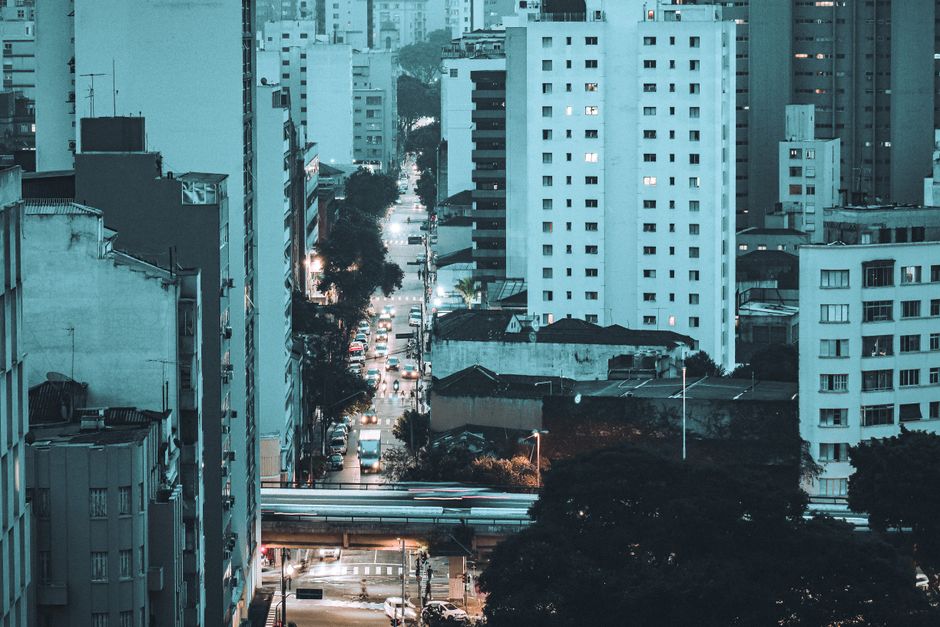
São Paulo's city council has announced plans to implement a duplicate image replacement policy, aiming to reduce visual pollution and improve the city's aesthetic appeal. This move comes as part of a broader effort to enhance the city's urban landscape and make it more attractive to residents and tourists alike.
The duplicate image replacement policy matters now because São Paulo is experiencing rapid growth and development, with new buildings and advertisements popping up across the city. The policy is seen as a way to balance the need for economic growth with the need to preserve the city's unique character and cultural heritage. With the city's population projected to reach 22 million by 2030, according to the São Paulo State Government, the need for effective urban planning and management has become increasingly pressing.
In São Paulo, the duplicate image replacement policy will be implemented in key areas such as Paulista Avenue, Ibirapuera Park, and the Vila Madalena neighborhood. The city's Department of Urban Planning, in partnership with the São Paulo Tourism Board, will work to identify and replace duplicate images with more unique and culturally relevant designs. For example, the iconic Batman Alley in Vila Madalena, known for its vibrant street art, will be one of the first areas to undergo the replacement process. The University of São Paulo's School of Architecture and Urbanism will also be involved in the project, providing expertise and guidance on the design and implementation of the new images.
According to data from the São Paulo City Council, the city currently has over 10,000 advertisements and images displayed across its streets and public spaces. Of these, it's estimated that up to 30% are duplicates, resulting in a significant amount of visual pollution. The cost of implementing the duplicate image replacement policy is estimated to be around R$ 1.5 million, which will be funded by a combination of public and private investments. The policy is expected to be fully implemented by the end of 2027, with the goal of reducing duplicate images by at least 50%.
As the city moves forward with the duplicate image replacement policy, residents and business owners can expect to see a significant improvement in the city's aesthetic appeal. The policy is also expected to have a positive impact on local businesses, particularly those in the tourism and hospitality sectors. With the city's reputation as a hub for art and culture, the replacement of duplicate images with more unique and creative designs is seen as a key factor in attracting more visitors and investors to São Paulo. As the city's Mayor, Ricardo Nunes, has stated, the goal is to make São Paulo a more beautiful and welcoming place for everyone, and the duplicate image replacement policy is an important step towards achieving this goal.
How does this story make you feel?
Spread the word
About this article
Published by The Daily São Paulo
Daily brief
Free, in your inbox before 7am. Weekdays.
More in News