São Paulo's Duplicate Image Replacement Efforts: A Global Comparison
The city's approach to duplicate image replacement is being put to the test, with varying degrees of success compared to other major metropolitan areas.
The city's approach to duplicate image replacement is being put to the test, with varying degrees of success compared to other major metropolitan areas.
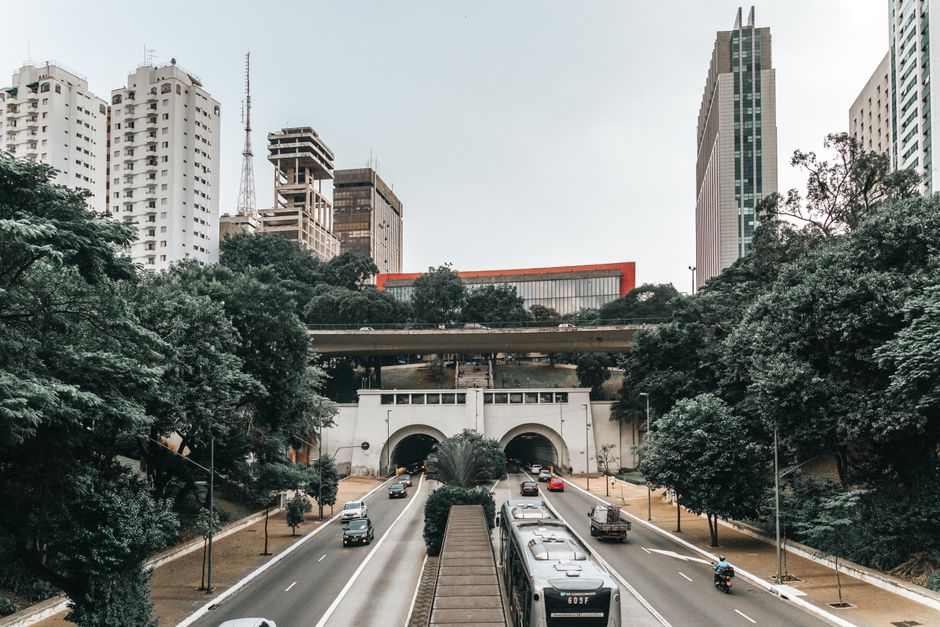
São Paulo is tackling the issue of duplicate image replacement, a problem that has plagued the city's digital archives and databases. The key fact is that the city's administration, led by Mayor Ricardo Nunes, has allocated R$ 1.5 million to develop a new system for identifying and replacing duplicate images.
This matters now because the city's ability to effectively manage its digital assets has a direct impact on its reputation as a hub for technology and innovation. With the presence of major tech companies and startups along Paulista Avenue, São Paulo is under pressure to demonstrate its capabilities in this area. The city's duplicate image replacement efforts are being watched closely by other major cities, including New York City and Tokyo, which are also grappling with similar issues.
Locally, the effort is being led by the São Paulo Municipal Government's Department of Technology and Innovation, in partnership with the University of São Paulo's Institute of Mathematics and Statistics. The project is focusing on developing machine learning algorithms that can identify and replace duplicate images in the city's databases, which are stored in data centers located in the Barra Funda and Santo Amaro neighborhoods. The team is also working with local startups, such as the ones based in the Vila Madalena and Pinheiros neighborhoods, to develop new tools and solutions for duplicate image replacement.
According to data from the São Paulo Municipal Government, the city's current system for managing digital assets has a success rate of 70% in identifying duplicate images. However, this rate is lower than that of other major cities, such as London, which has reported a success rate of 85%. The cost of developing and implementing a new system for duplicate image replacement is also a concern, with estimates suggesting that it could reach R$ 5 million over the next two years. As of June 2026, the city has already spent R$ 2.2 million on the project, with a projected completion date of December 2027.
In terms of practical advice, residents and businesses can take steps to help reduce the number of duplicate images in the city's databases. This can be done by ensuring that all digital assets are properly labeled and categorized, and by using tools and software that can help identify and remove duplicates. The city is also offering training and workshops for residents and businesses, which will be held at the São Paulo Municipal Library and the University of São Paulo's campus in the Butantã neighborhood. By working together, São Paulo can improve its duplicate image replacement efforts and maintain its reputation as a leader in technology and innovation.
How does this story make you feel?
Spread the word
About this article
Published by The Daily São Paulo
Daily brief
Free, in your inbox before 7am. Weekdays.
More in News