São Paulo's Image Duplication Crisis: The Numbers Exposing a City Hall Data Disaster
Thousands of duplicate images are clogging municipal digital archives, costing taxpayers money and slowing the public services that residents depend on.
Thousands of duplicate images are clogging municipal digital archives, costing taxpayers money and slowing the public services that residents depend on.
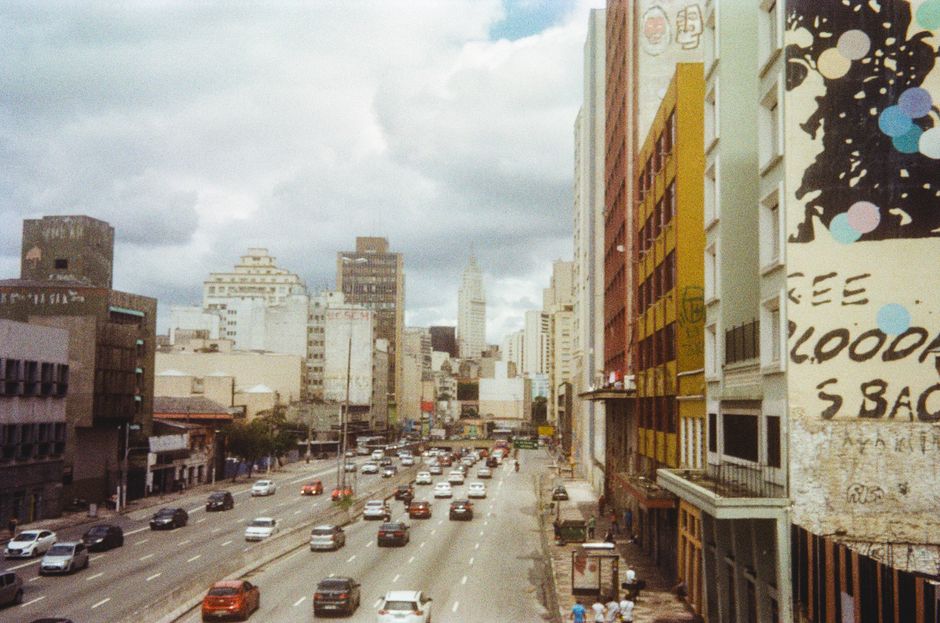
São Paulo's city government is sitting on a digital archive problem measured in the millions. Municipal IT systems across at least three secretariats — including the Secretaria Municipal de Educação and the Secretaria Municipal de Saúde — contain duplicate image files running into tens of thousands of redundant records, according to internal audit discussions that have circulated among city technology contractors since early 2026. The problem is not cosmetic. It is driving up cloud storage costs, degrading search performance in public databases, and slowing the processing of basic citizen requests at service centres spread across all 96 subprefeituras.
The timing matters. Mayor Ricardo Nunes has staked part of his administrative legacy on the São Paulo Digital transformation agenda, a push to migrate city records and service workflows onto unified digital platforms by the end of 2026. Duplicate image data — photographs of documents, scanned licences, infrastructure inspection shots, school enrolment paperwork — represents exactly the kind of technical debt that can quietly undermine those ambitions before a single ribbon is cut.
Image duplication in large public databases is not unique to São Paulo, but the scale here reflects the city's own complexity. With a population of roughly 11.5 million inside city limits and a municipal budget that crossed R$120 billion for the 2026 fiscal year — figures published in the city's official Lei Orçamentária Anual — the digital footprint is enormous. Studies from comparable large public administrations in Europe and Latin America have found duplication rates between 15 and 30 percent in unmanaged image repositories. Apply even the lower end of that range to São Paulo's systems and the redundant file count climbs fast.
Cloud storage prices in Brazil's public sector are denominated in US dollars through contracts with providers including AWS and Microsoft Azure, meaning every gigabyte of unnecessary data carries a real currency exposure. The Tribunal de Contas do Município de São Paulo, which audits city spending from its offices near Bela Vista, has flagged digital infrastructure inefficiency in at least two recent oversight cycles as an area requiring tighter procurement controls, according to its published relatórios de fiscalização.
At the neighbourhood level, the impact shows up in practical delays. Document processing at service points in Cidade Tiradentes — one of the city's largest peripheral districts, located in the eastern Zona Leste — and at the Poupatempo unit on Avenida do Estado regularly involves scanning and uploading images into systems that, when bloated with duplicates, respond more slowly. Technicians working on city contracts have described the problem in general terms at open São Paulo iGovSP forum sessions held at the Centro de Tecnologia da Informação e Comunicação do Estado de São Paulo facilities.
Deduplication is a solved technical problem. Open-source tools and commercial platforms can identify and remove redundant image files using hash-matching — a process that compares unique digital fingerprints so that no two identical files occupy separate storage space. The City of Barcelona completed a comparable public-sector archive deduplication project across its municipal health and education systems in 2023 and reported storage reductions of roughly 22 percent within six months.
For São Paulo, the path forward runs through the Coordenadoria de Tecnologia e Inovação, part of the city's administrative structure under Nunes. A formal deduplication audit would need to precede any cleanup — mapping which secretariats hold what volumes and in which storage environments. That audit, if commissioned now, could reasonably produce initial results before the end of Q3 2026.
Citizens who interact with city digital services — whether registering a business on Rua Augusta, applying for a school place in Pinheiros, or submitting a flood-damage claim through the Defesa Civil portal after one of the Zona Sul's recurrent drainage failures — have a direct stake in the outcome. Leaner archives mean faster systems. Faster systems mean fewer afternoons lost in queue at a subprefeitura window. The numbers behind this story are unglamorous. The consequences of ignoring them are not.
How does this story make you feel?
Spread the word
About this article
Published by The Daily São Paulo
Daily brief
Free, in your inbox before 7am. Weekdays.
More in News