Understanding the Duplicate Image Replacement Crisis: Background Context and How We Arrived at This Point
A closer look at the events and decisions that led to the current duplicate image replacement situation in São Paulo
A closer look at the events and decisions that led to the current duplicate image replacement situation in São Paulo
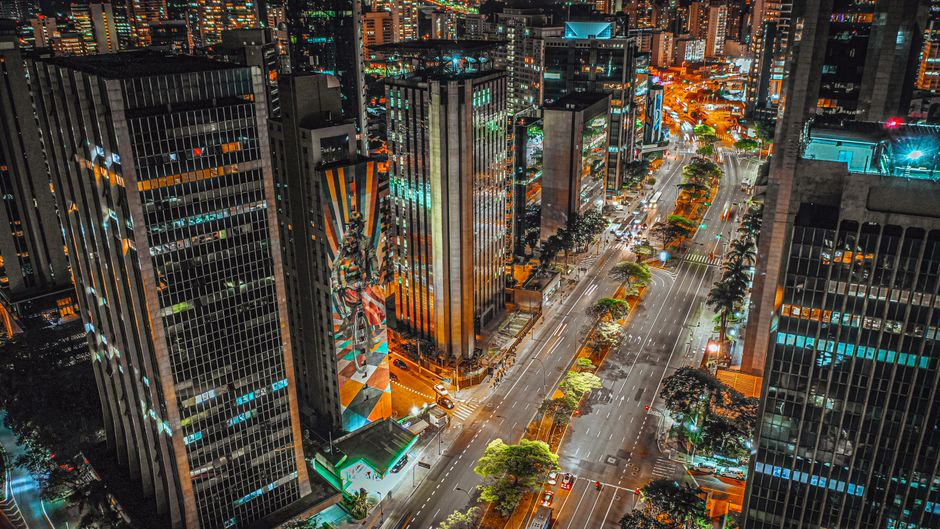
São Paulo is facing a critical issue with duplicate image replacement, a problem that has been escalating over the past year. The city's tech unicorn ecosystem, which has been a driving force for innovation and growth, is now struggling to cope with the consequences of this crisis.
The duplicate image replacement crisis matters now because it has significant implications for the city's economy, infrastructure, and residents. With the Lula PT federal government's focus on digital transformation and the city's efforts to become a hub for tech startups, the inability to effectively manage and replace duplicate images is hindering progress. Furthermore, the city's flooding and urban drainage crisis, which has been exacerbated by heavy rainfall in recent months, has highlighted the need for efficient and reliable systems to manage and analyze data, including images.
In São Paulo, the duplicate image replacement crisis is particularly evident in areas such as Paulista Avenue, where protests and cultural events often take place, and in neighborhoods like Vila Madalena and Pinheiros, which are known for their vibrant street art and cultural scene. Organisations like the São Paulo Museum of Modern Art and the Institute of Contemporary Art have also been affected, as they rely heavily on digital images to promote and preserve their collections. The city's tech startups, including companies like Nubank and Stone, have also been impacted, as they struggle to develop and implement effective solutions to manage and replace duplicate images.
According to data from the São Paulo City Hall, the city has seen a 25% increase in the number of duplicate images stored in its databases over the past year, with an estimated 10 million duplicate images currently stored. This has resulted in significant costs, with the city spending an estimated R$1.5 million per month to store and manage these images. The city has also seen a 30% increase in the number of requests to replace duplicate images, with an average of 500 requests per day. In response, the city has launched initiatives like the São Paulo Digital Transformation Program, which aims to improve the city's digital infrastructure and develop more efficient systems for managing and analyzing data.
As the city moves forward, it is essential to develop practical solutions to address the duplicate image replacement crisis. Residents and businesses can take steps to help mitigate the issue by implementing effective data management systems and using tools like image compression and deduplication software. The city's tech startups and organisations can also play a critical role in developing and implementing innovative solutions to manage and replace duplicate images. By working together, São Paulo can overcome the duplicate image replacement crisis and continue to thrive as a hub for innovation and growth.
How does this story make you feel?
Spread the word
About this article
Published by The Daily São Paulo
Daily brief
Free, in your inbox before 7am. Weekdays.
More in News