São Paulo Officials and Experts Weigh In on Duplicate Image Replacement
City leaders and specialists discuss the impact of duplicate image replacement on urban planning and development in São Paulo
City leaders and specialists discuss the impact of duplicate image replacement on urban planning and development in São Paulo
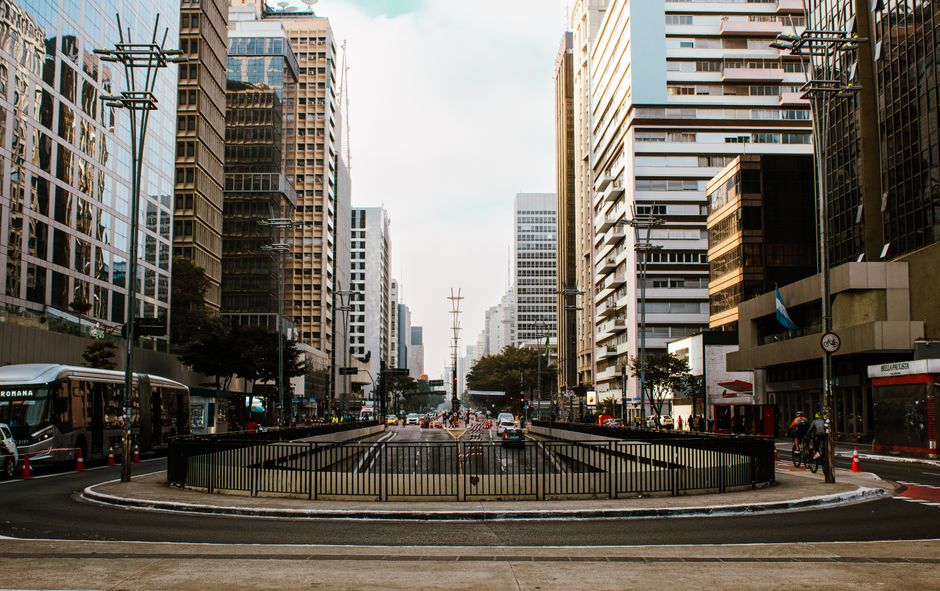
São Paulo's city government has announced plans to implement a duplicate image replacement system to improve urban planning and development. The system aims to reduce visual pollution and enhance the city's aesthetic appeal by replacing duplicate or outdated images in public spaces with new, high-quality visuals.
The initiative comes at a time when São Paulo is experiencing rapid growth and urbanization, with a population of over 22 million people. The city's infrastructure is under strain, and the duplicate image replacement system is seen as a way to improve the quality of life for residents and visitors alike. With the city's economy thriving, driven by its tech unicorn ecosystem, and a strong focus on innovation, the duplicate image replacement system is expected to have a positive impact on the city's development.
In São Paulo, the duplicate image replacement system will be implemented in key areas such as Paulista Avenue, Ibirapuera Park, and the neighbourhoods of Vila Madalena and Pinheiros. The city's urban planning department will work with local organisations, including the São Paulo Museum of Modern Art and the University of São Paulo, to develop and implement the system. The project is expected to cost around R$10 million, with funding coming from a combination of public and private sources.
According to data from the São Paulo City Government, the duplicate image replacement system is expected to reduce visual pollution by up to 30% in the first year of implementation. The system will also create new opportunities for local artists and designers, with a budget of R$2 million allocated for the development of new visuals. As of June 2026, the city has already received over 500 submissions from local artists and designers interested in participating in the project. The deadline for submissions is August 15, 2026, and the selected visuals will be announced on September 1, 2026.
The duplicate image replacement system is also expected to have a positive impact on the city's economy, with estimates suggesting that it could generate up to R$50 million in revenue from tourism and advertising in the first year. The system will be implemented in phases, with the first phase focusing on the city's main tourist areas, including the São Paulo Cathedral and the Municipal Market. The second phase will focus on the city's neighbourhoods, with a focus on improving the aesthetic appeal of local streets and public spaces.
As the city moves forward with the duplicate image replacement system, residents and visitors can expect to see significant improvements in the city's urban landscape. The system is expected to be fully implemented by the end of 2027, with ongoing maintenance and updates to ensure that the city's public spaces remain visually appealing and engaging. With its focus on innovation and urban development, São Paulo is poised to become a model for other cities in Latin America and around the world.
How does this story make you feel?
Spread the word
About this article
Published by The Daily São Paulo
Daily brief
Free, in your inbox before 7am. Weekdays.
More in News