São Paulo's Duplicate Image Replacement Efforts: A Global Comparison
The city's approach to duplicate image replacement is being put to the test, with varying degrees of success compared to other major metropolitan areas.
The city's approach to duplicate image replacement is being put to the test, with varying degrees of success compared to other major metropolitan areas.
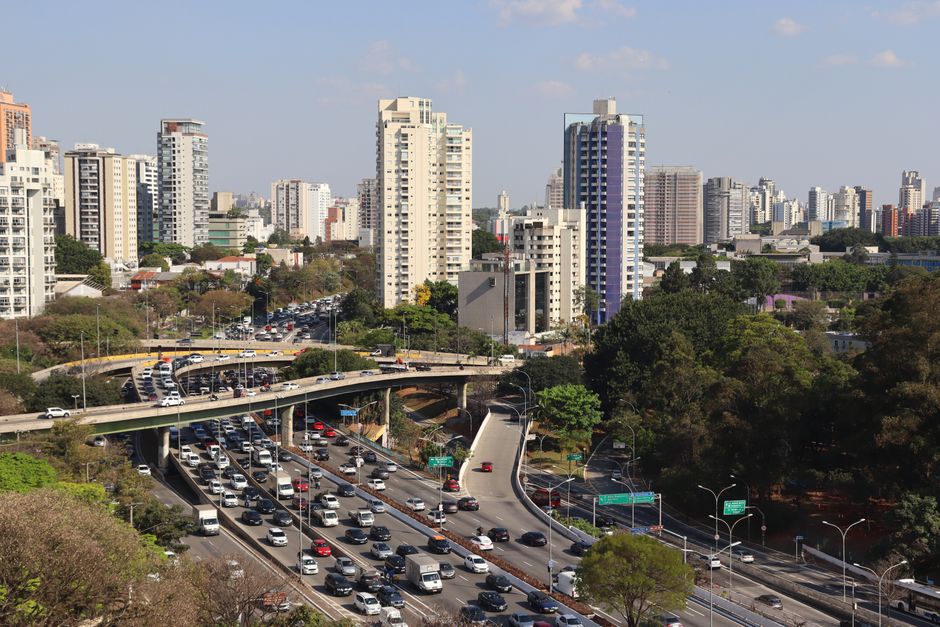
São Paulo is tackling the issue of duplicate image replacement, a problem that has plagued the city's digital archives and databases. The key fact is that the city's administration, led by Mayor Ricardo Nunes, has allocated R$1.5 million to develop a new system for identifying and replacing duplicate images.
This matters now because the city's digital infrastructure is being stretched to the limit, with the growing demand for online services and the need to preserve the city's cultural and historical heritage. The duplicate image replacement issue is not unique to São Paulo, but the city's approach to solving it is being closely watched by other major cities around the world, including New York City, Tokyo, and London.
In São Paulo, the duplicate image replacement effort is being led by the Municipal Department of Information Technology, in partnership with the University of São Paulo and the São Paulo State Library. Specific initiatives include the development of a new image recognition software, which is being tested at the São Paulo Museum of Modern Art, located on Avenida Paulista, and the creation of a digital archive of the city's historical images, which is being housed at the Biblioteca Mário de Andrade, located in the downtown area.
According to data from the São Paulo City Council, the city's digital archives contain over 10 million images, of which an estimated 20% are duplicates. The cost of storing and maintaining these duplicate images is significant, with estimates suggesting that it costs the city around R$500,000 per year. In comparison, the city of New York has implemented a similar duplicate image replacement program, which has resulted in a 30% reduction in storage costs. Tokyo, on the other hand, has taken a more aggressive approach, using artificial intelligence to identify and replace duplicate images, resulting in a 50% reduction in storage costs.
As the city moves forward with its duplicate image replacement efforts, residents and businesses can expect to see improvements in the efficiency and effectiveness of the city's digital services. The city's administration is advising residents and businesses to be patient, as the process of identifying and replacing duplicate images is complex and time-consuming. In the meantime, the city is providing training and support to help residents and businesses navigate the new system, including workshops and online tutorials, which are being offered at the São Paulo Municipal Library, located on Rua da Consolação.
How does this story make you feel?
Spread the word
About this article
Published by The Daily São Paulo
Daily brief
Free, in your inbox before 7am. Weekdays.
More in News