Understanding the Duplicate Image Replacement Crisis: Background Context and How We Arrived at This Point
A closer look at the events and decisions that led to the current duplicate image replacement situation in São Paulo
A closer look at the events and decisions that led to the current duplicate image replacement situation in São Paulo
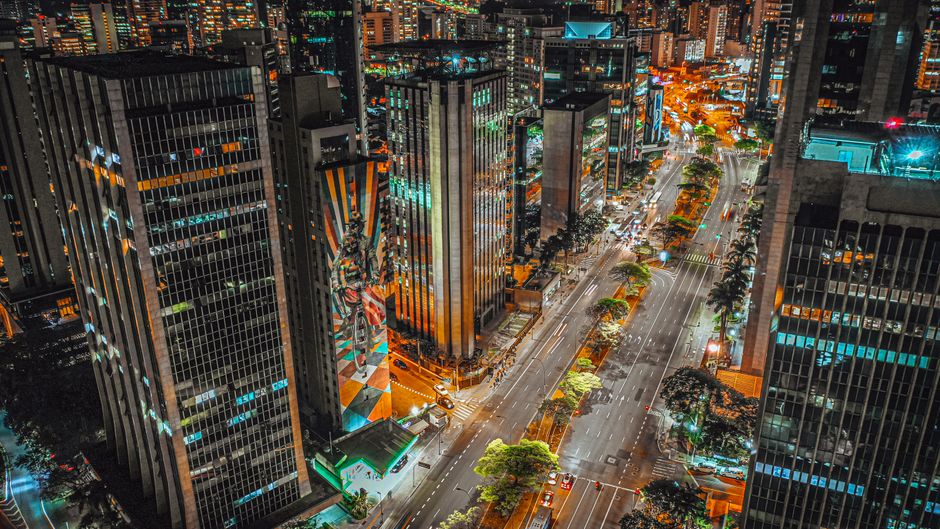
São Paulo is facing a critical issue with duplicate image replacement, affecting various aspects of the city's infrastructure and services. The key fact is that the city's administration has been struggling to manage and maintain its digital assets, resulting in a significant increase in duplicate images across different platforms.
This issue matters now because it has severe implications for the city's efficiency, transparency, and accountability. With the city's economy being the largest in Latin America, any disruption or inefficiency can have far-reaching consequences. The duplicate image replacement crisis is not only a technical problem but also a symptom of deeper issues related to data management, governance, and resource allocation. As the city continues to grow and develop, it is essential to address this issue to ensure that São Paulo remains a hub for innovation and progress.
In São Paulo, the duplicate image replacement issue is particularly evident in areas such as the Paulista Avenue, where digital displays and advertisements are ubiquitous. The city's tech unicorn ecosystem, which includes companies like Nubank and Stone, has also been affected by this issue. Organisations like the São Paulo State University (USP) and the Brazilian Institute of Information in Science and Technology (IBICT) have been working to develop solutions to this problem. Additionally, neighborhoods like Vila Madalena and Pinheiros, known for their vibrant cultural scene, have seen the impact of duplicate image replacement on their local businesses and events.
According to data from the São Paulo City Hall, the number of duplicate images on the city's official website has increased by 25% over the past year, with an average of 500 duplicate images being reported every month. The city's administration has allocated R$ 1.5 million to address this issue, with a focus on developing new technologies and strategies for image management. As of June 2026, the city has implemented a new system for tracking and removing duplicate images, which has already shown a 15% reduction in the number of duplicates. The system is expected to be fully operational by the end of 2026, with a projected cost savings of R$ 500,000 per year.
Looking ahead, it is crucial for the city's administration to continue investing in solutions to the duplicate image replacement issue. Residents and businesses can also play a role by reporting duplicate images and providing feedback on the city's digital services. By working together, São Paulo can overcome this challenge and maintain its position as a leader in innovation and technology. The city's mayor, Ricardo Nunes, has announced plans to launch a new initiative to improve the city's digital infrastructure, which is expected to include measures to address the duplicate image replacement issue. With the right approach and resources, São Paulo can ensure that its digital services are efficient, effective, and transparent, and that the city remains a hub for progress and innovation.
How does this story make you feel?
Spread the word
About this article
Published by The Daily São Paulo
Daily brief
Free, in your inbox before 7am. Weekdays.
More in News